

Ecuador Travel Guide: Destinations, Itineraries, and Tips
Ecuador is one of South America’s most varied destinations. A single trip can include colonial cities, drives through the Andes, volcanoes, the Pacific coast, rainforest, and the Galápagos Islands. That variety makes the country especially rewarding for travelers who want more than one kind of vacation.
Because my in-laws are from Ecuador, I have visited the country several times. I have seen not only well-known attractions but also parts of everyday life and the local food culture. This guide combines those personal experiences with practical planning information.
Current travel advice: Check official advice for both the destination and every route leading to it. Visiting central Guayaquil is not the same as traveling through Durán, Daule, or Samborondón. Review the U.S. Department of State Ecuador advisory or your own government’s advice before booking and again before every major transfer. Historical experiences in this guide refer to July 2024.
Some links in this article are affiliate links. If you book or buy through one, we may receive a commission at no extra cost to you. This helps support our website.
In this guide: Ecuador’s regions and destinations, sample itineraries, transportation, climate, safety, costs, food, altitude, entry requirements, connectivity, responsible travel, and booking order.
Ecuador at a glance
- Capital: Quito
- Largest city: Guayaquil
- Language: Spanish, alongside several Indigenous languages
- Currency: U.S. dollar
- Regions: Pacific coast, Andes, Amazon, and Galápagos
- Suggested duration: about two to three weeks for a varied first trip
Why visit Ecuador?
Ecuador is compact on the map, but landscapes and temperatures change dramatically over short distances. The Andes contain high-altitude cities and volcanoes, while Guayaquil has a warm tropical climate. The Amazon lies farther east, and the Galápagos sit almost 620 miles off the coast.

That variation makes it possible to combine culture, nature, wildlife, and local experiences. Mountain roads mean travel times can be longer than map distances suggest, so a route with fewer bases is often more satisfying.
Which part of Ecuador suits your trip?
The coast offers heat, broad rivers, and cities such as Guayaquil. The Andes contain colonial centers, volcanoes, highland villages, and markets. Eastward, the landscape becomes Amazon rainforest, while Galápagos is effectively a separate trip. Trying to fit every region into a short vacation usually creates too much time in transit.
Choose one main theme. Select the Andes for cities, markets, and hiking; combine the coast and Guayaquil when food, culture, and a Galápagos connection matter; or reserve most of the budget and time for the islands. Three weeks allows several regions, but a calm route still beats moving every day.

Ecuador’s main destinations
Quito, the Andes, and the Amazon
Quito is a logical starting point for historic cities and mountain landscapes. Allow time to adjust to altitude before strenuous outings. Otavalo, Cotopaxi, and Baños may fit a broader route, but choose them according to travel time and current access. Our detailed personal articles in this cluster focus mainly on Guayaquil, Cuenca, and Galápagos.
Treat an Amazon stay as a separate part of the journey. Compare how the lodge is reached, the number of full excursion days, guiding, meals, and transfers. A long arrival by road and boat does not count as a full rainforest day. Check the situation in the province and along the access route before choosing.

Guayaquil: river city and Galápagos gateway
Parque Seminario, Malecón 2000, Las Peñas, Puerto Santa Ana, and the Guayas River create a varied one- or two-day visit. Choose a hotel suited to your arrival time and arrange transportation deliberately. Start with our Guayaquil travel guide and continue with the 1-, 2-, or 3-day itinerary.

Cuenca: historic center and Andean nature
During our week in Cuenca in July 2024, the cathedrals, Mercado 10 de Agosto, Pumapungo, and the nighttime view from Turi stood out. At roughly 8,200 feet, we walked more slowly than at home. Our Cuenca guide helps you choose between city days, Cajas National Park, and El Chorro de Girón.
We drove a rental car from Daule through the mountains near Cajas. Read our Guayaquil-to-Cuenca driving experience as both a historical account and preparation for mountain roads. Current travel advice determines whether the same route is appropriate now.
Galápagos: a separate journey
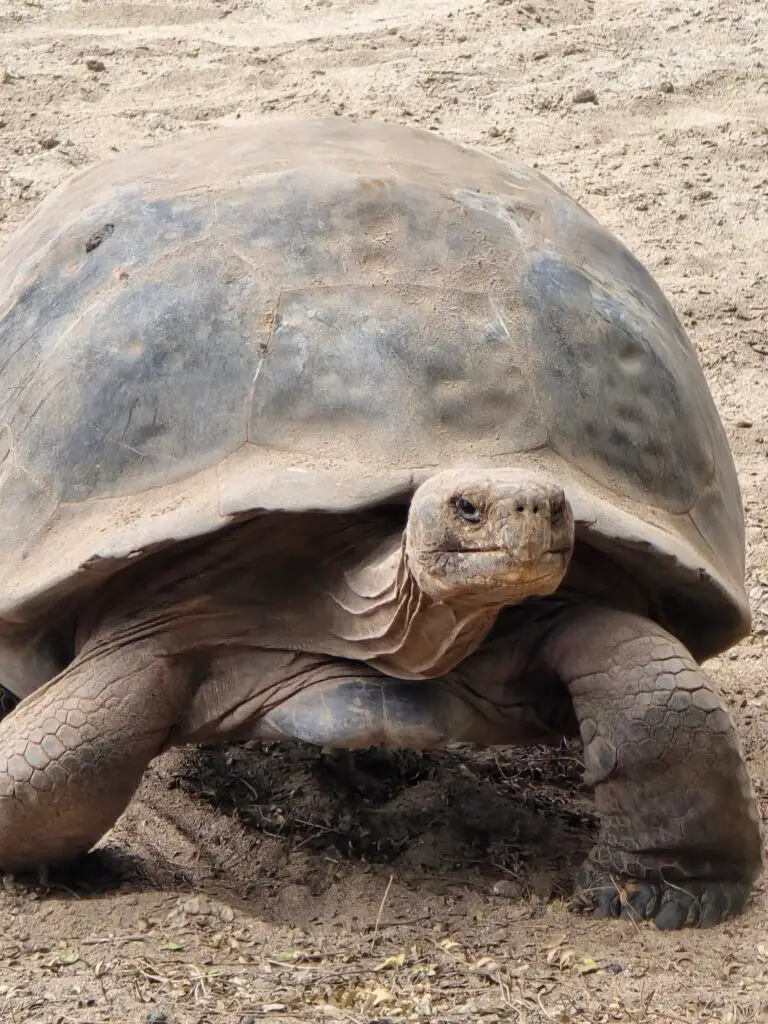
The islands require a separate flight, entry charges, and dedicated planning. We used Puerto Ayora as our main base and took a day trip to Isabela. Use our Galápagos travel guide and 7-, 10-, and 14-day itineraries, then calculate the cost of your island trip.
Sample Ecuador itineraries
These are planning suggestions that include arrival and departure days. Confirm connections before reserving hotels. A route that crosses an area under increased official warning should never be treated as a default.
| Trip length | Suggested allocation | Best for |
|---|---|---|
| 10 days | Days 1–4 Quito and one nearby destination; day 5 transfer; days 6–9 Cuenca; day 10 departure | Culture and the Andes |
| 14 days | Days 1–5 mainland; day 6 transfer or pre-flight night; days 7–13 Galápagos; day 14 international departure | A compact mainland-and-islands combination |
| 21 days | Days 1–7 Quito/Andes; day 8 transfer; days 9–12 Cuenca; day 13 departure city; days 14–20 Galápagos; day 21 depart | More city and nature time with proper buffers |
Domestic transfers require checking. Flights may involve a stop, and some land routes consume most of a day. If schedules do not fit, remove a stop or add a night. Avoid placing an international flight on the same day as a weather-sensitive island connection.
If rainforest is your priority, replace part of the city route with several nights at one lodge. Even with three weeks, you do not need all four regions. Fewer moving days create more time for a market, hike, or conversation with a local guide.
Once the route is set, compare accommodations for each Ecuador stop. Match the property to arrival time and the length of stay.
Transportation: bus, private transfer, or rental car?
Long-distance buses are affordable and connect many cities, but routes, terminals, and security conditions can change. Ask locally which company and terminal are currently recommended, avoid unnecessary late arrivals, keep valuables with you, and limit displaying electronics during stops.
Private transfers cost more but can be worthwhile with luggage, an early flight, or a complicated connection. A rental car gives freedom outside cities, while mountain roads demand concentration because of altitude, fog, sharp curves, and occasional poor pavement. Avoid unfamiliar long drives after dark and download offline maps.
Before renting, check current official advice and rental terms. The following link opens with sample dates of March 1–8, 2027; verify pickup location and replace the dates.
View rental cars from Guayaquil Airport with Sunny Cars
Best time to visit and climate
Ecuador does not have one simple national season. The coast, Andes, Amazon, and Galápagos each follow different patterns. One Andean day can be sunny, rainy, and cold, while the coast is shaped more by heat, humidity, and heavy showers. Check climate by destination and elevation rather than relying on national averages.
| Region | What affects the choice? | Practical approach |
|---|---|---|
| Andes | Altitude, rain, and mountain visibility | Pack layers and keep outdoor plans flexible |
| Coast | Heat, humidity, and showers | Walk early, rest near midday, and check advice by coastal area |
| Amazon | Rain, river levels, and access | Ask the lodge which excursions operate during your dates |
| Galápagos | Water temperature and sea conditions | Match the season to snorkeling, boats, and personal comfort |
Bring layers, a light rain shell, and strong sun protection for the Andes. On the coast, choose breathable clothing and mosquito protection. In Galápagos, wetsuit needs and seasickness planning depend on the season and activity; see the best time to visit Galápagos.
Safety and route choice
Check the advisory map and provinces first, then examine each transfer. This prevents an attractive hotel or natural area from unintentionally routing you through an unsuitable corridor. Ask your insurer what an official advisory means for coverage.
- Use transportation arranged by your accommodation or a reliable local provider.
- Schedule arrivals, drives, and unfamiliar trails during daylight.
- Keep an alternative for demonstrations, roadblocks, landslides, or volcanic events.
- Review current advice again immediately before each major transfer.
Money and travel budget
Ecuador uses the U.S. dollar. Cards are accepted in cities and larger hotels, but cash remains useful for markets, small restaurants, tips, and transportation. Carry small bills because US$100 notes are difficult to use. ATMs may impose limits and fees; choose secure locations and avoid late-night street withdrawals.
The largest differences come from domestic flights, Galápagos, private transportation, and the number of organized tours. Separate fixed costs, lodging, transportation, food, activities, and an emergency buffer. Build two totals—mainland and Galápagos—because the islands add the flight, TCT, and park entry.

A room price should be divided only when people truly share it; private transport is often priced per vehicle, while excursions are usually per participant. A cheaper room outside the walking area may cost more after daily taxis. Keep money for an extra night and changed connection separate from the activity budget.
Compare the complete stay and cancellation terms. View accommodations in Ecuador on Expedia.
Food and drinks in Ecuador
Cuisine varies by region. On the coast, fish, shrimp, rice, plantain, and ceviche are common. In the Andes, potatoes, corn, soups, and slow-cooked meats appear more often. Try specialties where ingredients are visibly fresh and the restaurant has a steady local trade. Use bottled or reliably filtered water when uncertain and be cautious with raw food.
Altitude and health
Quito, Cuenca, and many Andean destinations sit far above sea level. Headache, nausea, and fatigue are possible. Keep the first day light, drink normally, and limit alcohol. Descend and seek medical care for severe or worsening symptoms, and discuss personal risks with a doctor before traveling.
Sun exposure remains strong at altitude even under clouds. Wear protective clothing, sunscreen, and a hat. At lower elevations, heat, mosquitoes, and dehydration become more important. Review vaccination guidance well ahead of departure. The CDC’s high-altitude guidance explains gradual acclimatization; fitness does not prevent altitude illness.
Passport, visa, and arrival
Entry rules depend on nationality and can change. Check passport validity, permitted length of stay, and any land-border conditions with Ecuadorian authorities and your own government. Make sure an official border crossing records your entry correctly and store flight and lodging information offline.
Internet, SIM cards, and eSIM
Wi-Fi is common in larger cities, but coverage can disappear on the road, in mountains, and on the islands. A local SIM or eSIM is useful for taxis and contacting hotels. Download maps, translations, bookings, and insurance details and never rely on a live connection as your only safety plan.
Confirm that your phone is unlocked and supports eSIM. Check duration, data allowance, network coverage, and whether calls or a local number are included. View Airalo eSIM options for Ecuador.
Responsible travel
- Choose local guides and accommodations with transparent terms.
- Avoid tours that lure animals or promote touching them.
- Refill water and reduce single-use plastic.
- Ask permission before photographing people or private property.
- Respect closed natural areas and local communities.
- Never buy souvenirs made from protected plants or animals.
Booking order for an Ecuador trip
- Check official travel advice and international flights.
- Choose regions and a realistic trip length.
- Reserve Galápagos first if it is the main goal.
- Book the first and final night with reliable transfers.
- Confirm the domestic connections that determine the route.
- Add flexible hotels and activities.
- Recheck every component one week before departure.
When adding an organized activity, compare destination, actual operator, transportation, and cancellation terms. Availability varies by city and date. View Ecuador activities on Klook.
Frequently asked questions about Ecuador
How many days do you need?
Ten days works for Quito and one additional region. Two weeks is better for several Andean stops plus Guayaquil. If adding Galápagos, aim for roughly three weeks or make a clear choice between mainland and islands.
Is Ecuador suitable for a first South America trip?
Distances are manageable and landscapes exceptionally varied, but altitude, Spanish, changing security advice, and road conditions require preparation. Prebooked first nights and reliable transfers make the trip easier to organize.
Can you combine mainland Ecuador and Galápagos?
Yes. Allow sufficient connection time in Quito or Guayaquil and treat Galápagos as a separate travel segment with its own budget and rules.
Continue planning
Continue with our guides to Guayaquil, Cuenca, and the Galápagos itineraries. Our earlier personal account remains at Ecuador during COVID-19.
Updated September 12, 2026. Personal experiences refer to July 2024 where stated. Check current prices, opening hours, entry rules, and travel advisories before departure.
Discover more from DutchieWorldTravel
Subscribe to get the latest posts sent to your email.



One Comment
Pingback: