
Historic Churches in Milan: Sant’Ambrogio and Santa Maria delle Grazie
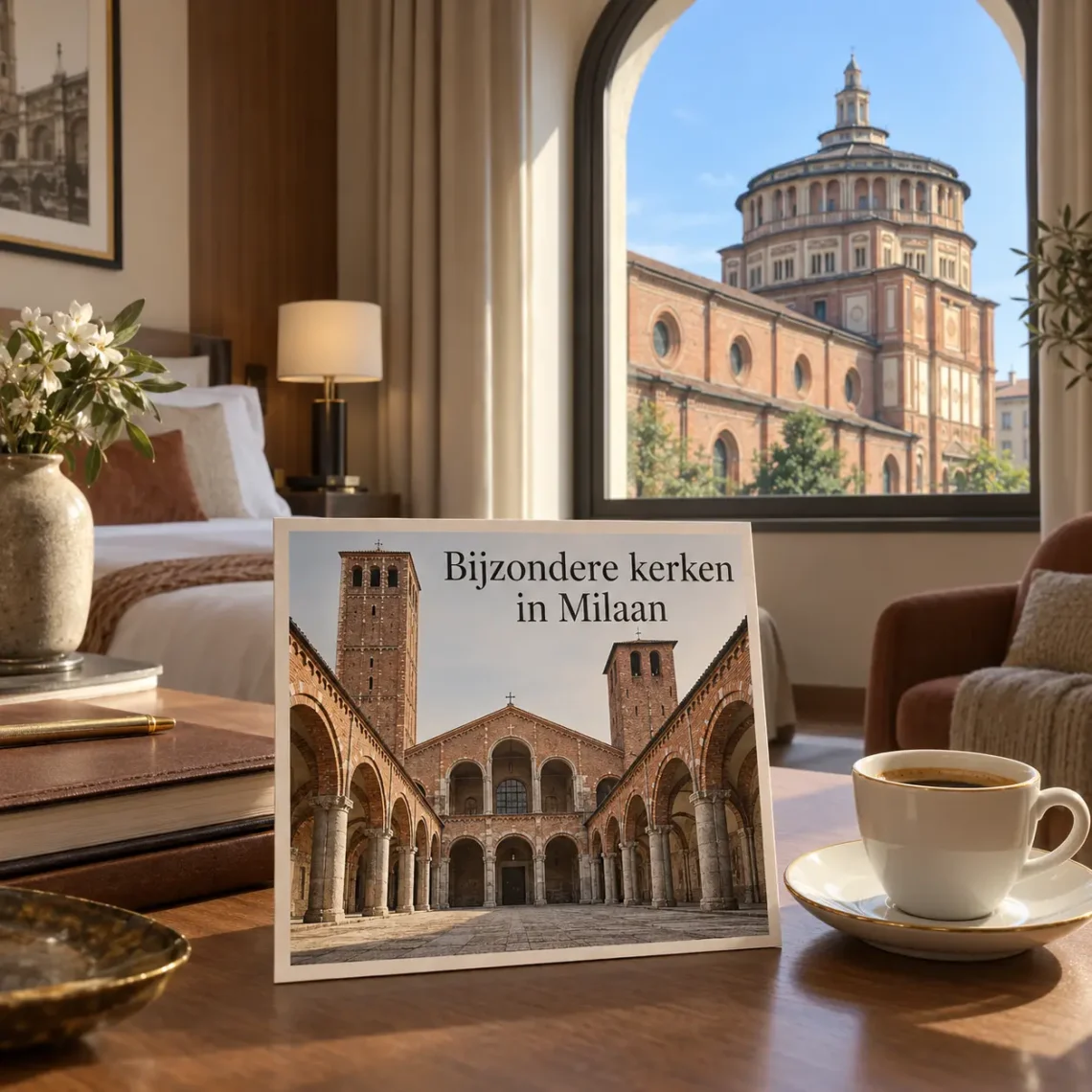
The Duomo may be Milan’s best-known religious building, but two other churches brought us closer to the city’s history: Basilica di Sant’Ambrogio and Santa Maria delle Grazie. They are within walking distance of each other and form a rewarding route through a quieter part of the center, past dignified facades, small squares, and streets where daily life feels less hurried.
Sant’Ambrogio impressed us with its restrained brickwork, ancient courtyard, and silence in the crypt. Santa Maria delle Grazie is world-famous for Leonardo da Vinci’s The Last Supper, but the church itself deserves attention too. This route combines both sites in a relaxed half day, with time for a proper Italian espresso.
Why combine these two churches?
The walk from Piazza Sant’Ambrogio to Santa Maria delle Grazie takes about 15 to 20 minutes, depending on how often you stop. This neighborhood is ideal for unhurried exploring, with homes, courtyards, and side streets that contrast sharply with Piazza del Duomo.
- Allow at least two hours for the two churches and their surroundings.
- Reserve half a day if you also have a ticket for The Last Supper.
- Start at Sant’Ambrogio for a quiet morning, then build the route around your fixed Leonardo time slot.
- Dress respectfully: cover shoulders and knees and respect prayer and services.
Basilica di Sant’Ambrogio
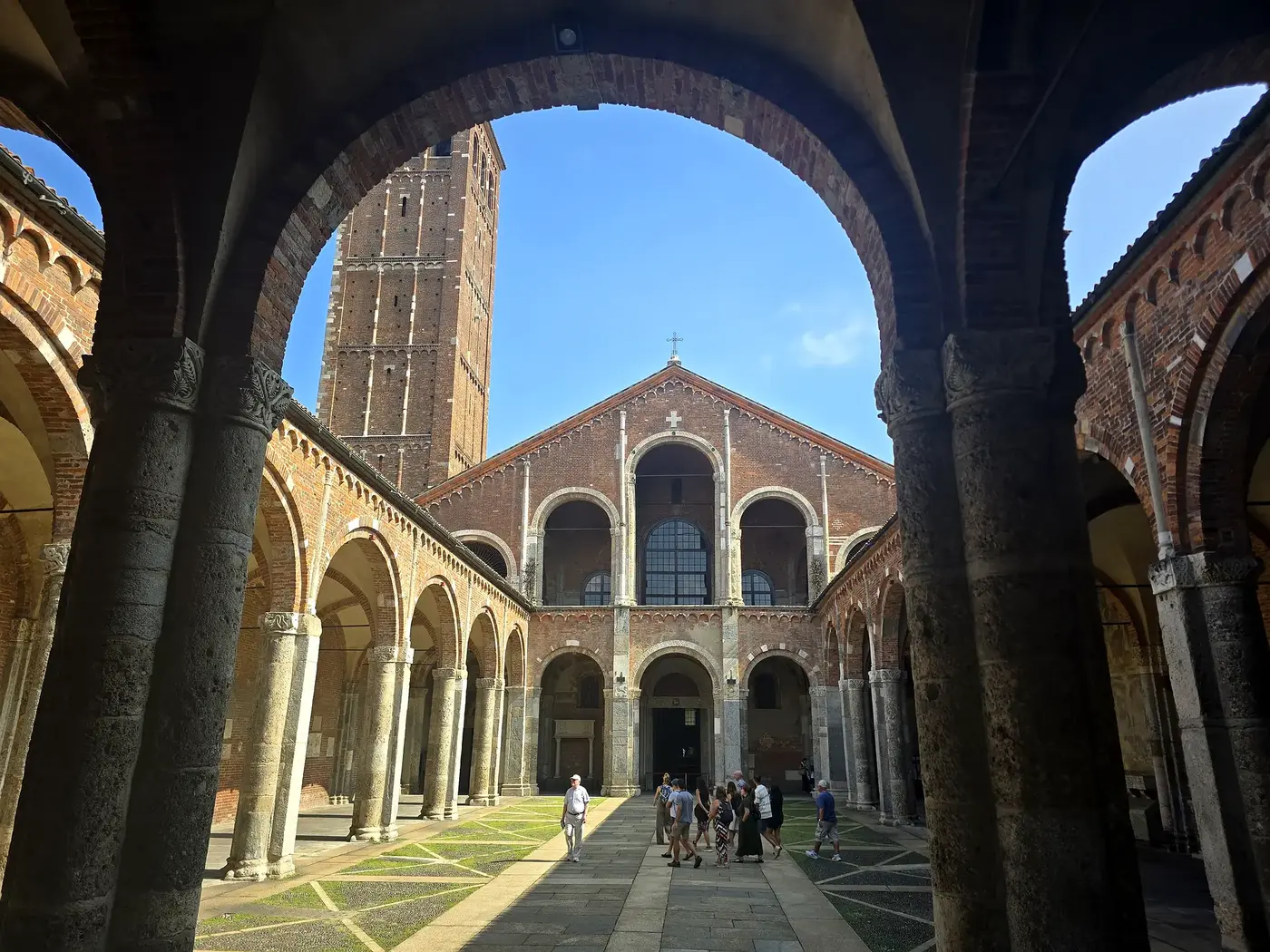
Sant’Ambrogio is one of Milan’s oldest churches. Bishop Ambrose commissioned a basilica here in the fourth century, when Milan was an important center of the Roman Empire. The building received most of its present Romanesque character in the 11th and 12th centuries, making a visit feel like a journey through several layers of history.
The exterior is less ornate than the Duomo. Horizontal lines, two unequal bell towers, and warm brick give it a distinct personality. The entrance leads to a rectangular atrium framed by covered walkways. They soften the street noise and focus your view on the church. We preferred pausing here before going inside.
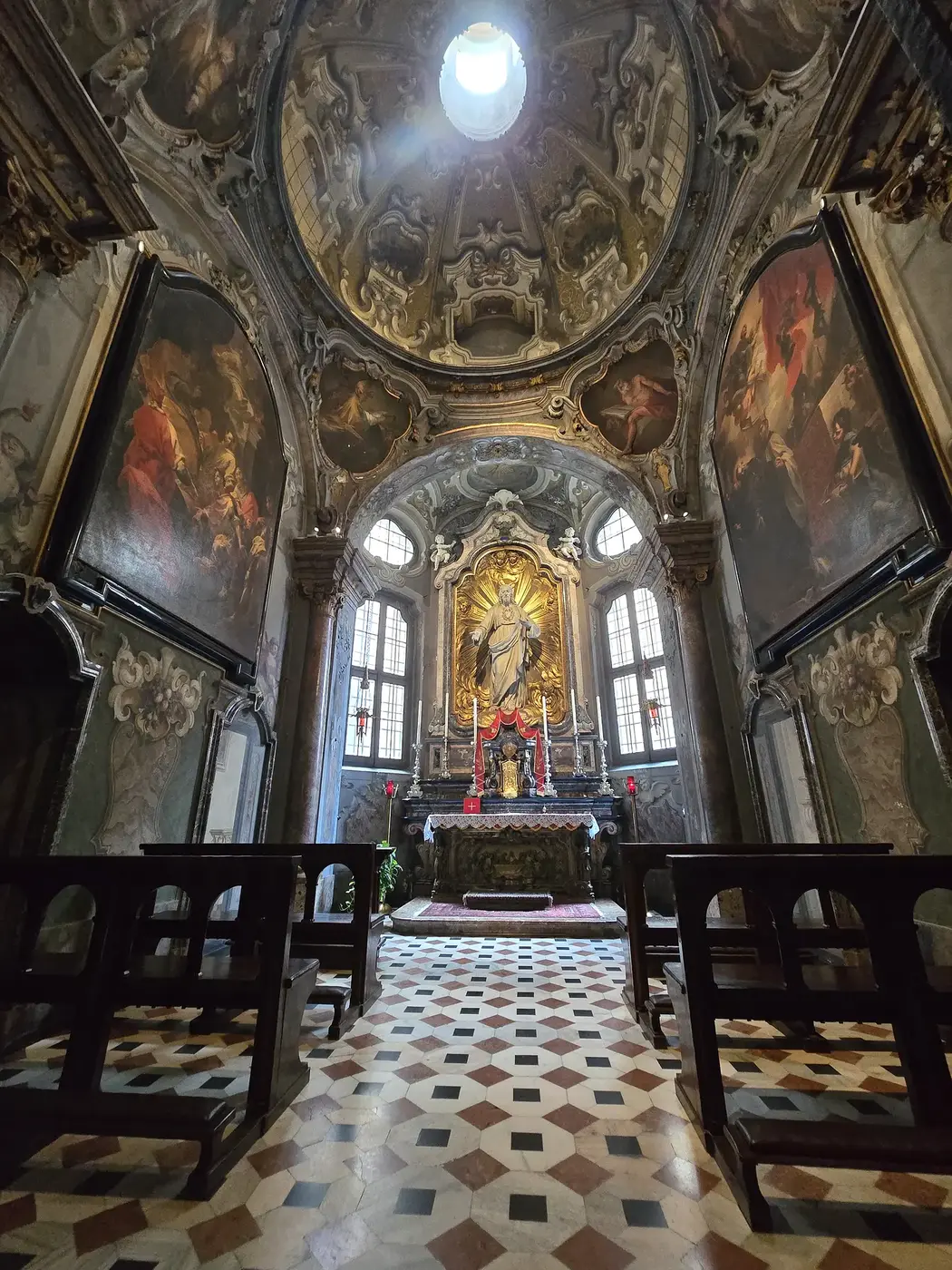
What can you see inside?
The interior is relatively dark and restrained. Notice the capitals, pulpit, and richly decorated altar area. Masses, restoration, or private services can temporarily limit access. This is not a museum with a fixed checklist; its power lies in the combination of architecture, quiet, and continued religious use.
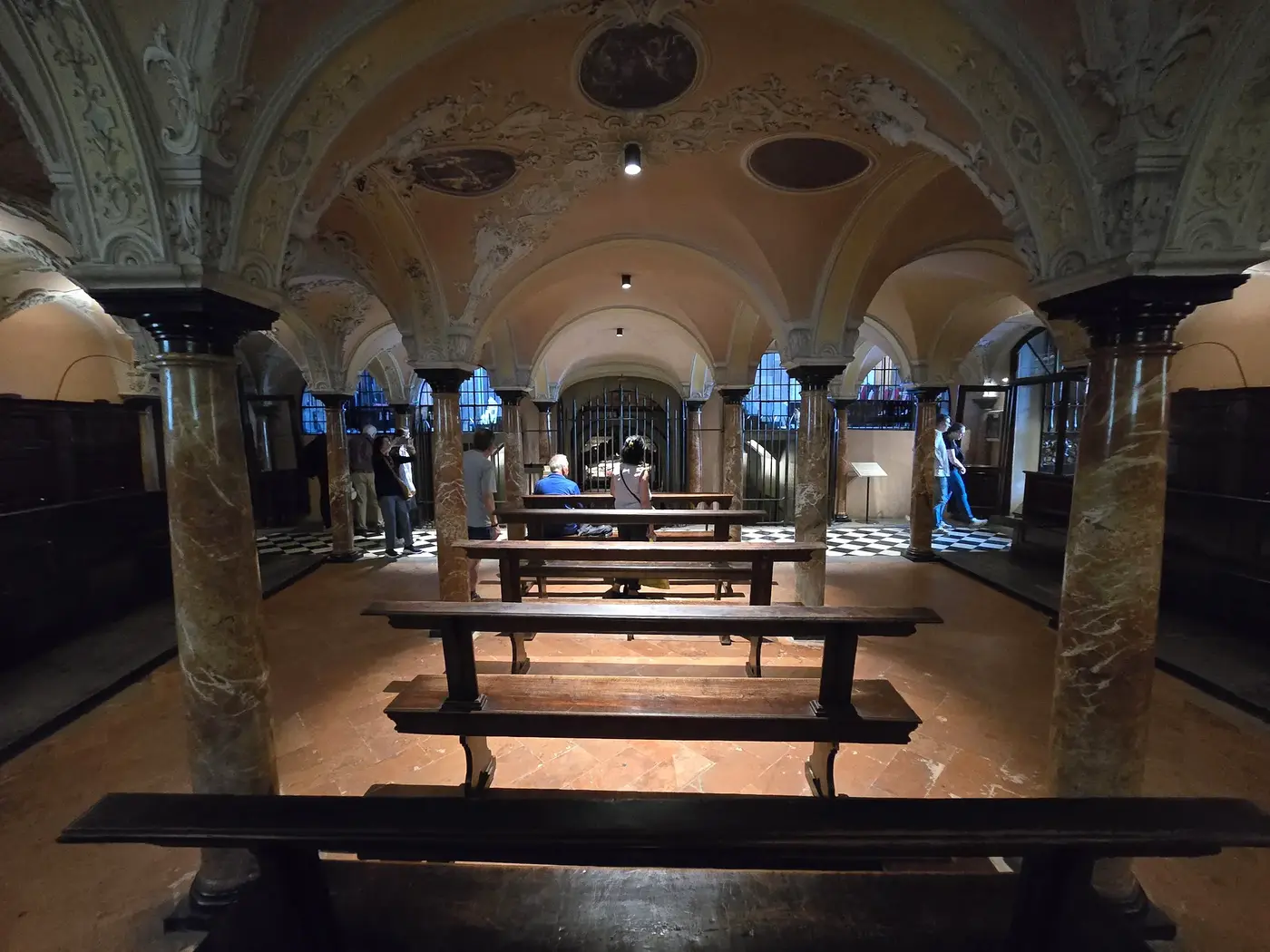
Beneath the main altar, the crypt holds the relics of Saint Ambrose and the martyrs Gervasius and Protasius. Even if relics are not your main reason for visiting, the low space and subdued light make the basilica’s long importance to Milan tangible.
Practical tips for Sant’Ambrogio
- Admission: the basilica is normally free; donations are appreciated. Special areas or exhibitions may have separate rules.
- Hours: check shortly before your visit. Religious services always take priority.
- Transportation: Sant’Ambrogio station is nearby and served by M2 and M4.
- Photography: follow posted rules, turn off the flash, and never photograph people praying.
- Best time: the courtyard is often quietest early in the day.
Walking to Santa Maria delle Grazie
From Sant’Ambrogio, walk north and west toward Corso Magenta. This route is not a chain of blockbuster sights, which is precisely why we enjoyed it. Look down side streets, admire entranceways, and pause for coffee. Some of Milan’s most enjoyable places consist of little more than a counter, a few stools, and the sound of cups on saucers.
Order an espresso at the bar. In Italy, caffè generally already means espresso: small, strong, and quickly enjoyed. Standing at the bar is often cheaper than table service, especially in tourist areas. Cappuccino is traditionally a morning drink, but no one should dictate what you enjoy on your city break.
Santa Maria delle Grazie
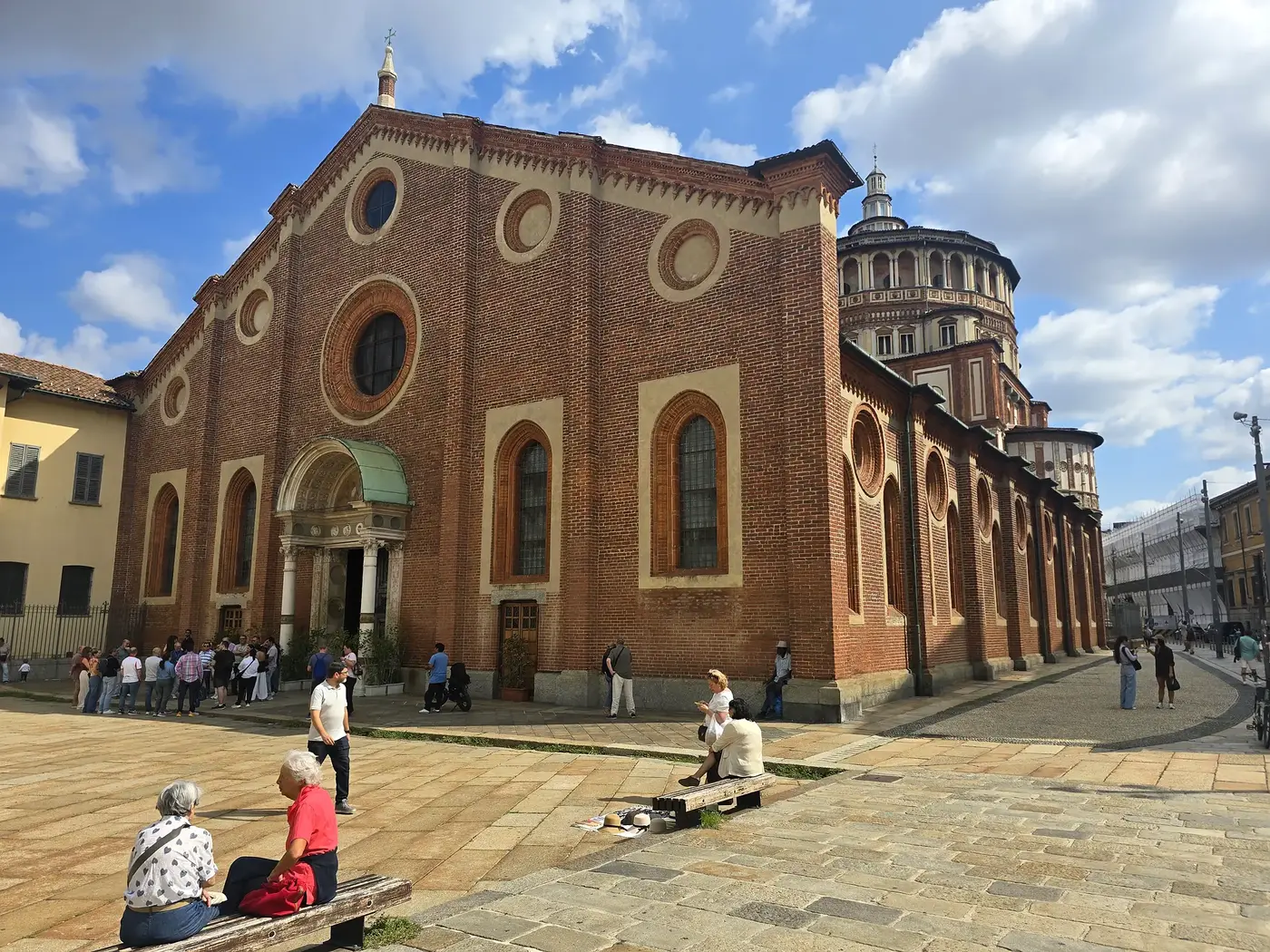
Santa Maria delle Grazie is a 15th-century Dominican complex and, together with The Last Supper, a UNESCO World Heritage Site. Its front appears restrained, while the section around the dome is far more elaborate. This Renaissance extension is commonly associated with Donato Bramante, although the precise attribution remains debated by art historians.
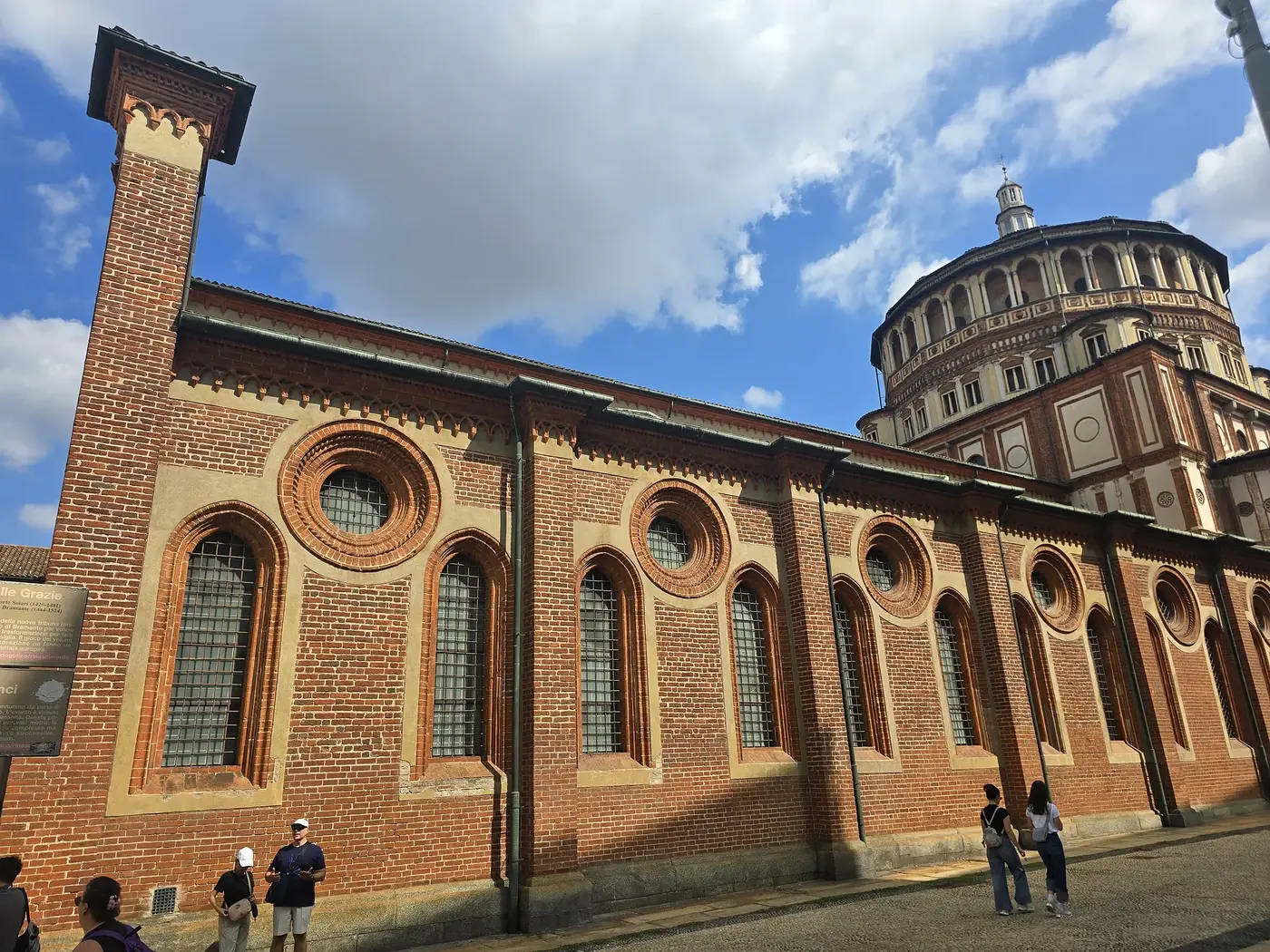
Walk around the building before or after entering. From the side, the rhythm of the brick walls and unusual dome is much clearer. Inside, the painted chapels and Renaissance details create a lighter, more refined atmosphere than Sant’Ambrogio. The church and The Last Supper museum have separate entrances and rules. Entering the church does not provide access to the painting.
Leonardo da Vinci’s The Last Supper
Leonardo painted Il Cenacolo, better known as The Last Supper, in the 1490s on a wall of the former convent refectory. Instead of traditional fresco on wet plaster, he experimented with a slower technique that allowed greater detail. It produced a groundbreaking image but also made the work fragile. Deterioration began relatively quickly, and war damage, moisture, and later interventions led to lengthy restorations.
Today, the room’s climate is strictly controlled. Visitors enter in small groups and receive approximately 15 minutes with the painting. That sounds brief, but the limited group size can make it easier to view than a famous painting in an overcrowded gallery. Look beyond Jesus in the center to the apostles’ reactions, hand gestures, and the perspective lines guiding your eye.
Booking tickets
Advance reservations are always required, including for free admission. Official tickets are released in periods and popular times sell out quickly. When checked, regular admission was €15, visitors ages 18–25 paid €2, and visitors under 18 entered free, although every visitor still needed a reservation. Confirm current prices and conditions with Museo del Cenacolo Vinciano.
- Current instructions ask visitors to arrive at least 30 minutes before the time slot.
- Bring valid identification for a reduced ticket.
- Large luggage, food, and drinks are not allowed in the viewing area. Leave large bags at your hotel whenever possible because the museum has only limited lockers.
- If you miss the time slot, same-day rebooking is often impossible.
- If official tickets are sold out, compare only reputable guided visits and check exactly what is included.
Our half-day route
- 9:00 a.m. – Sant’Ambrogio: begin in the courtyard, visit the basilica, and descend to the crypt.
- 10:15 a.m. – coffee: stroll toward Corso Magenta and choose a small bar away from the main attraction.
- 11:00 a.m. – Santa Maria delle Grazie: first see the exterior, then enter the church if it is accessible.
- Fixed time – The Last Supper: report to the museum 30 minutes early and organize the rest of the morning around this slot.
- Afterward: walk toward Cadorna and Castello Sforzesco or take the metro to your next stop.
If your museum slot is in the afternoon, reverse the route or combine it with our walk from Castello Sforzesco through Parco Sempione to Arco della Pace. Keep some buffer around the reservation. Milan is easy to navigate, but a missed museum admission cannot be fixed by a faster metro ride.
Is this route suitable for everyone?
The route suits lovers of history, architecture, and art, as well as anyone looking for a break from the Duomo crowds. With children, keep explanations short and search for visible details such as the unequal towers, ancient stones, and Leonardo’s expressive faces. The crypt and historic floors may be less accessible for visitors with limited mobility. Ask about the current accessible route and check museum information in advance.
This walk remains worthwhile without a ticket for The Last Supper. You miss the most famous artwork but not the neighborhood, basilicas, or the small moments in between. For us, Milan’s appeal lies in that combination: a world-famous monument, a silent courtyard, and an espresso among local residents five minutes later.
Frequently asked questions
Can you see The Last Supper without a reservation?
No. Advance reservations are mandatory, including for free tickets. Book as early as possible through the official website or a reliable provider.
Are the church and museum the same visit?
No. Santa Maria delle Grazie and Museo del Cenacolo Vinciano have separate entrances, hours, and admission rules. The painting requires a timed ticket.
Which church did we prefer?
Santa Maria delle Grazie holds the world-famous attraction, but Sant’Ambrogio stayed with us because of its quiet courtyard and ancient atmosphere. Their differences are exactly why we recommend combining them.
How do you get there by public transportation?
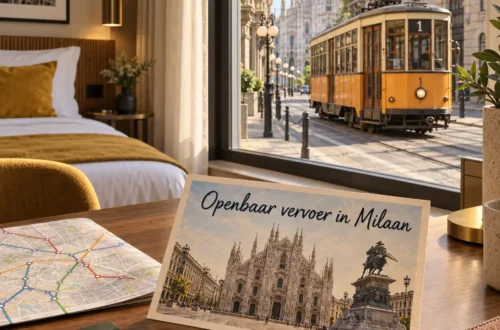
Use Sant’Ambrogio metro station for the basilica. Conciliazione and Cadorna are useful for Santa Maria delle Grazie, depending on your route. ATM services accept contactless payment; see our Milan public transportation guide.
Plan more of Milan
Combine these churches with the Duomo, tram 1, and the castle using our three-day Milan itinerary, or start with the complete Milan travel guide.
Some links on this page are affiliate links. If you book through one of them, we may earn a small commission at no extra cost to you. This helps support our website.
Discover more from DutchieWorldTravel
Subscribe to get the latest posts sent to your email.


You May Also Like

Cuenca in 2 or 3 Days: Complete Itinerary
Public Transportation in Milan: Metro, Tram 1, Tickets, and Contactless Payment