
8 Things to Do in Bintan: Sights and Travel Tips
If you think Bintan is only about resorts and beaches, you are missing much of the island. During our trip, we visited a vividly colored lake among sandy formations, two impressive Buddhist temples, and dense mangroves. Along the way, we saw monkeys, fishing communities, and a very different side of Bintan from the area around our resort.
We spent three nights on Bintan. To visit the main sights, we hired a private driver and guide. We also took a separate mangrove tour. That combination gave us time to see plenty without planning every hour of the day.
This guide covers things to do on Bintan, the places we visited, and practical tips for planning your time.
This article contains affiliate links. Booking through these links supports our website at no extra cost to you.
Contents
- Exploring Bintan with a driver or guide
- 1. Gurun Pasir Bintan
- 2. Blue Lake
- 3. Vihara Avalokitesvara Graha
- 4. 500 Lohan Temple
- 5. Bintan Mangrove Discovery Tour
- 6. Wildlife on Bintan
- 7. Fishing villages, stilt houses, and kelongs
- 8. Beaches and quiet coastal spots
- Free and budget-friendly activities
- A suggested one-day sightseeing itinerary
- What to choose if you are short on time
- Practical planning tips
- Our overall impression
Exploring Bintan with a driver or guide
The sights are spread across a large island. Blue Lake and the temples around Tanjungpinang are more than a few minutes from the northern resort area. Getting around independently by public transportation is therefore not the easiest option for a short stay.
We hired a driver and guide for an island tour. It was one of the best decisions of our trip. We combined different sights and learned about villages, fishing, nature, and the impact of the pandemic along the way.
Before booking, ask:
- how many hours the tour lasts;
- which stops are included;
- whether admission and parking fees are included;
- whether the driver waits at each stop;
- whether resort pickup and drop-off are included;
- which language the guide speaks;
- whether you can adjust the route.
A private itinerary is particularly convenient if you enjoy photography or want to spend longer at certain places.
One booking option is a Bintan day tour with a private driver. The listing includes Blue Lake, the sand dunes, and both temples. The operator, route, and included services may differ from our own excursion, so confirm the final stops and pickup location.
Still deciding where to stay? Our Bintan travel guide will help you choose between the resort area and other parts of the island.
1. Gurun Pasir Bintan
Gurun Pasir is often called Bintan’s desert. Do not expect a natural desert with endless dunes. The landscape consists of pale sand formations created by human activity. Erosion and weather have since shaped parts of the terrain into unusual forms.
The contrast between sand, clouds, and blue water makes the area photogenic. It is also exposed and can get very hot, with little shade.
Our tips
- Try to visit early in the day.
- Bring water, sunscreen, and a hat.
- Wear shoes suitable for walking on loose sand.
- Stay away from unstable edges.
- Combine Gurun Pasir with Blue Lake; they are close together.
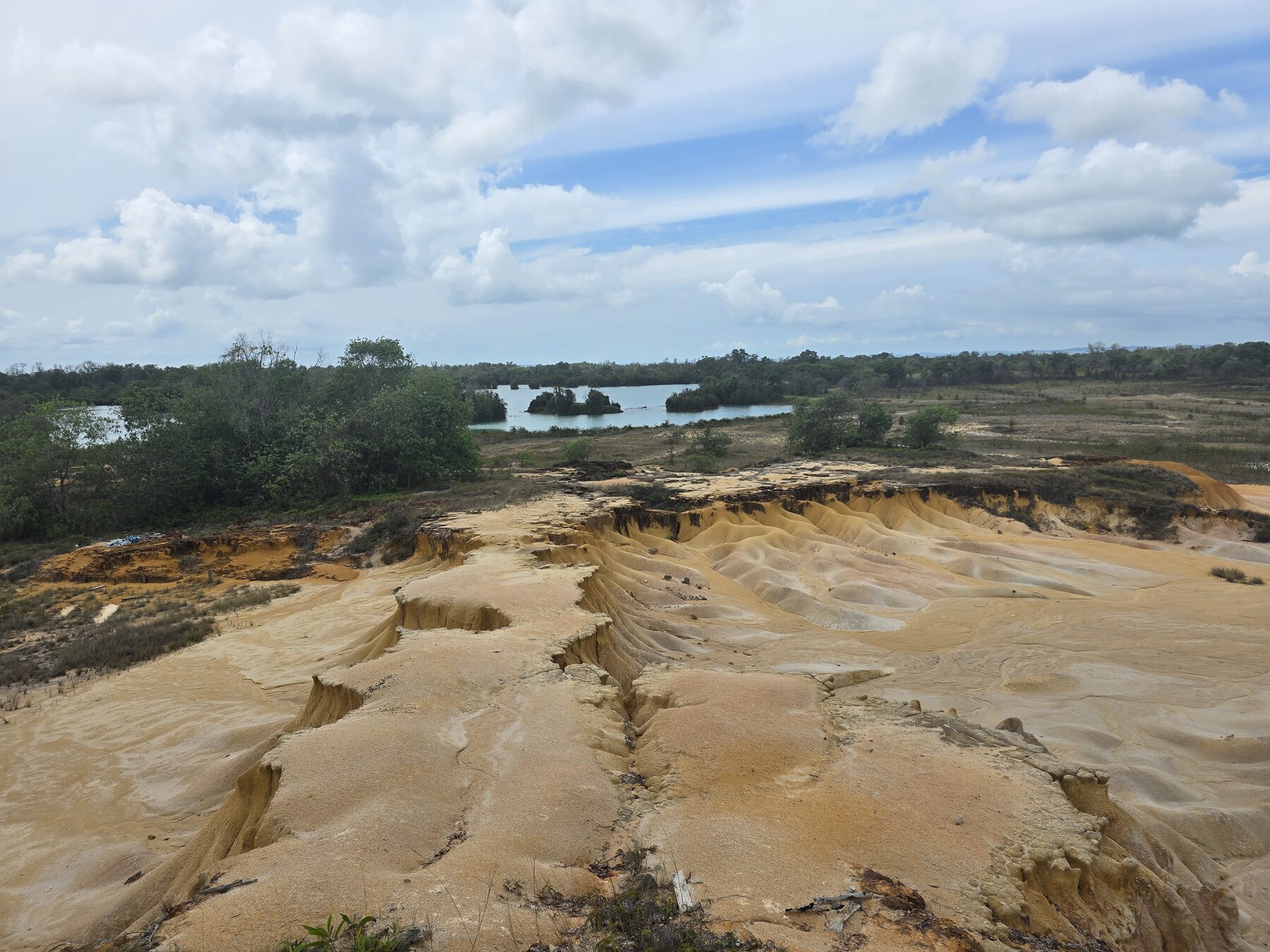
Planning tip: allow around one to one and a half hours for Gurun Pasir and Blue Lake together, with time to look around and take photos. This is a suggested visit length, excluding the drive from your accommodation. In hot weather, fewer photo stops are better than rushing around without breaks.
2. Blue Lake
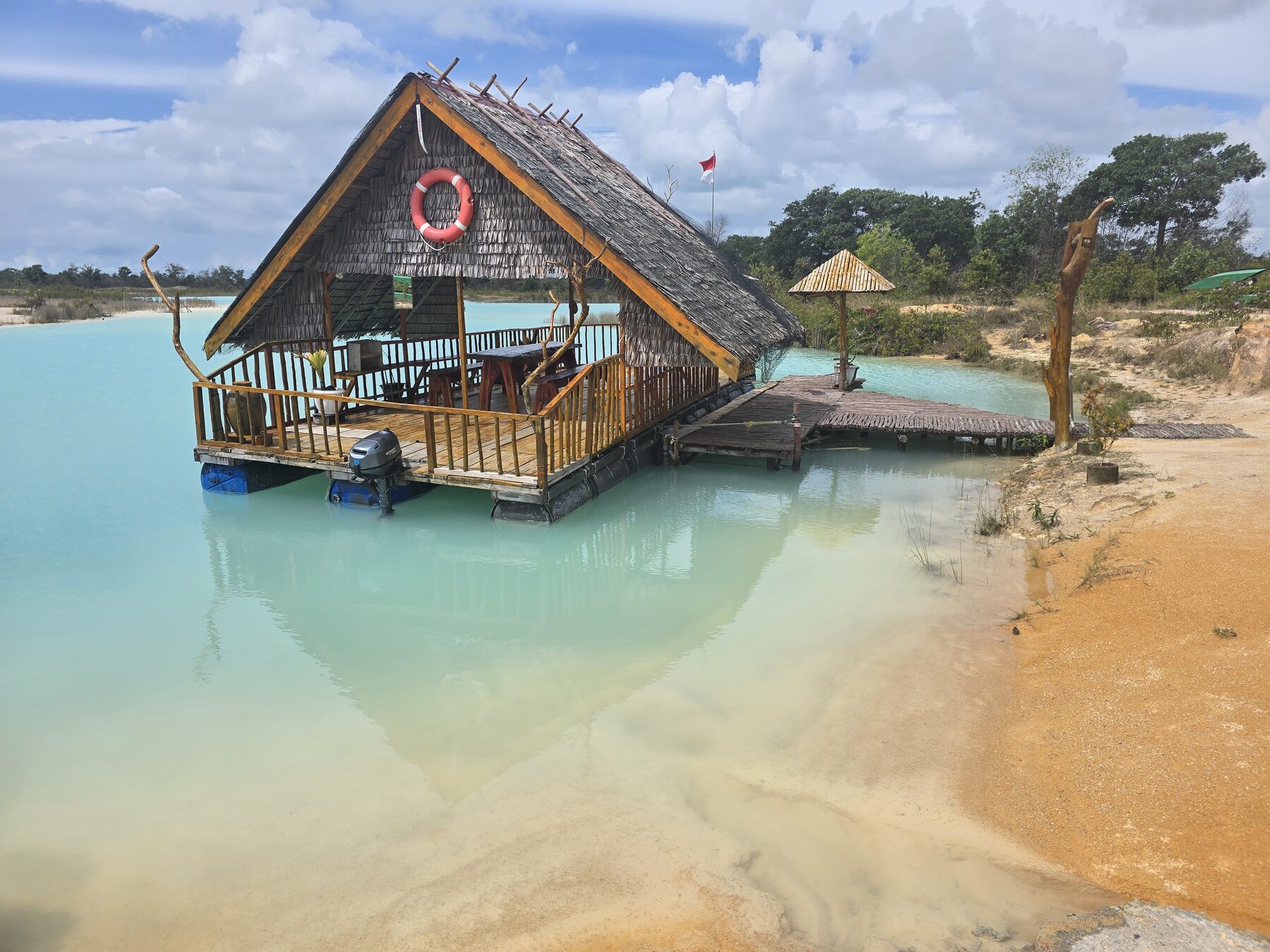
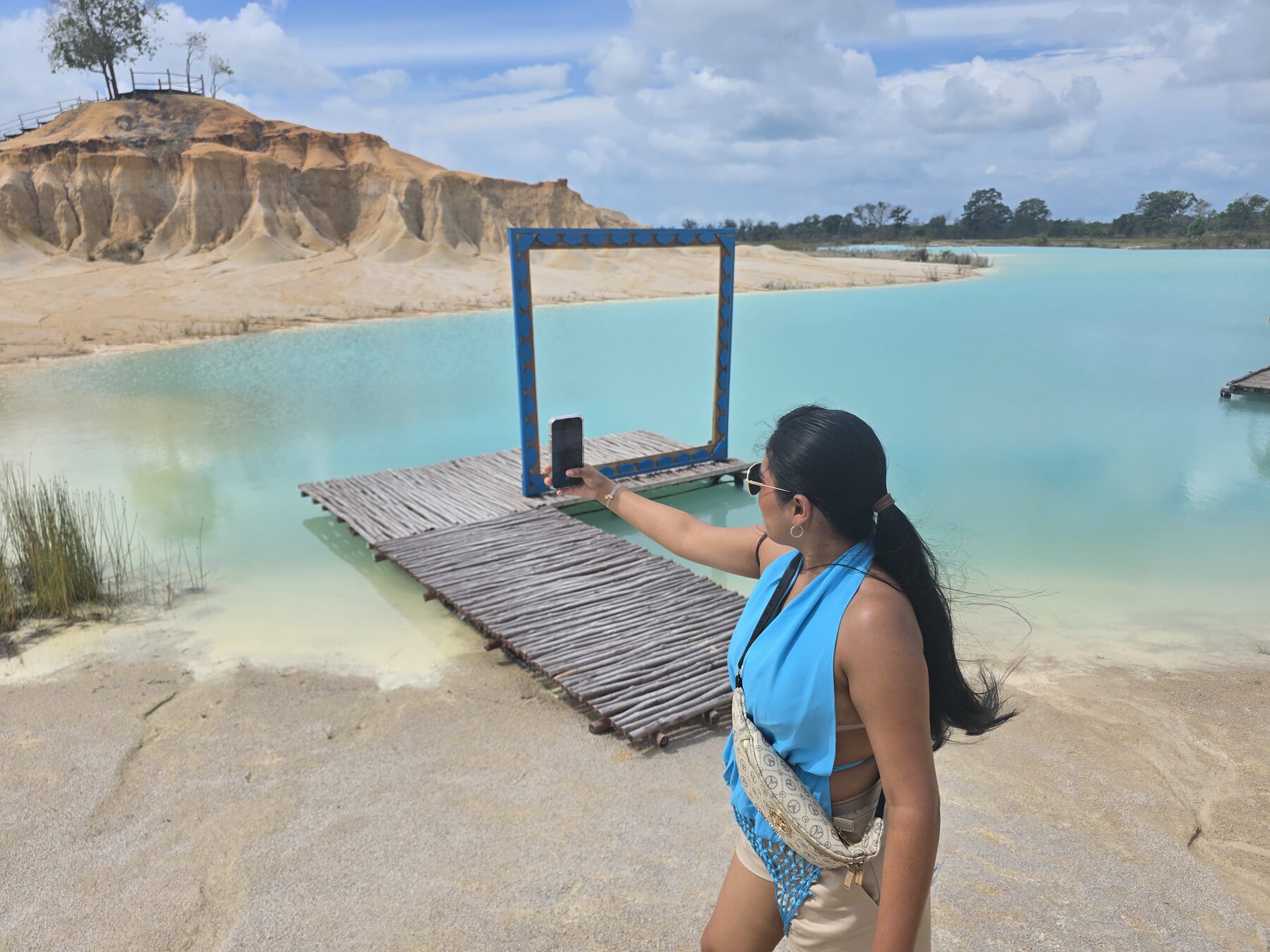
Blue Lake is beside Gurun Pasir and stands out for its light blue-green water. Its color can look different in photos depending on sunlight, cloud cover, and camera angle.
Blue Lake is not an untouched natural lake either. It formed in a former mining or sand-extraction area where water collected. That does not make it less interesting, but it is part of its story worth explaining.
There are several photo spots around the water. Some simple platforms and decorations have been added for visitors. Check locally where it is safe to walk.
Is Blue Lake worth visiting?
Blue Lake pairs naturally with the sandy formations next door. For a varied day, you can continue to temples or a coastal town afterward. Allow for the drive between areas, rather than counting only the time at the lake.
This is mainly a place for sightseeing and photography. Do not treat it as a swimming lake: stick to visitor paths and respect barriers and signs. Loose sand and uneven ground can be difficult for wheelchairs or strollers.
3. Vihara Avalokitesvara Graha
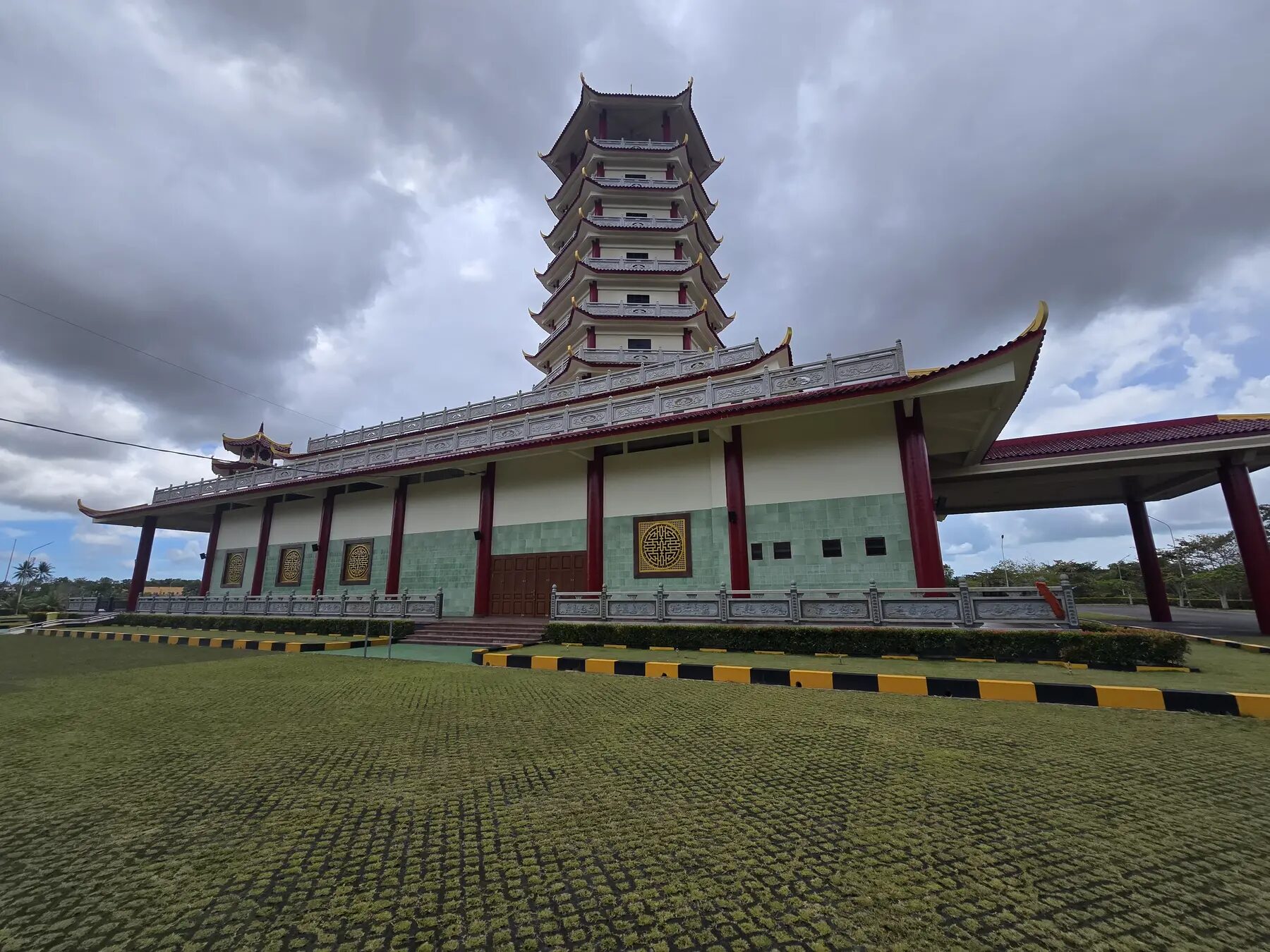
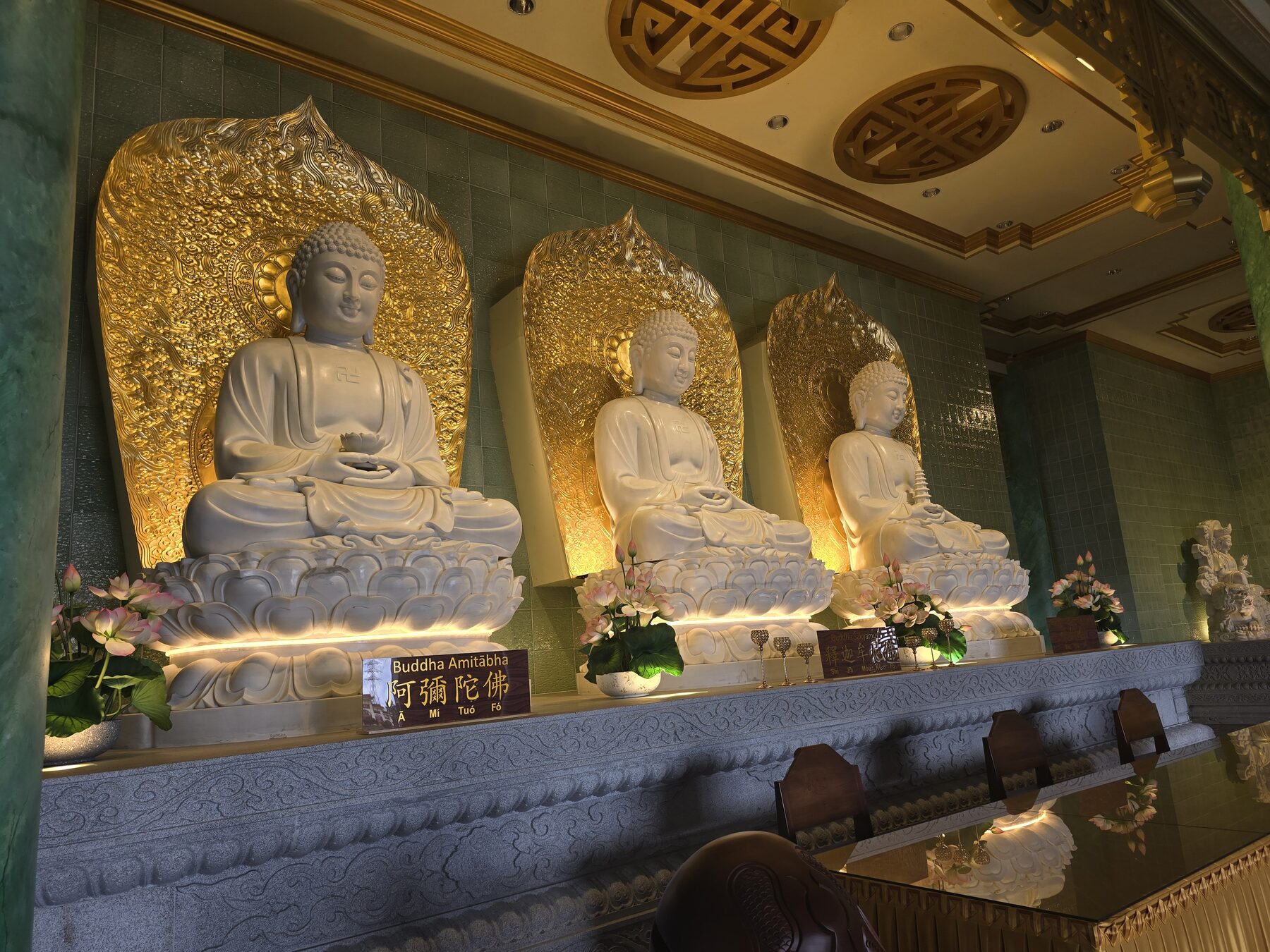
Vihara Avalokitesvara Graha is a Buddhist temple complex near Tanjungpinang.
The spacious grounds include a pagoda-style entrance and several Buddhist statues. Also known as Guan Yin Temple, the complex is described on the official Bintan Resorts destination website.
Take your time and treat the grounds as a religious site, not simply a photo stop.
Temple etiquette
- Choose clothing that covers your shoulders and knees.
- Speak quietly and respect prayers and ceremonies.
- Ask permission before photographing people.
- Do not touch statues or altars.
- Follow instructions about removing shoes.
- A donation may be appropriate, but it is not the same as an admission fee.
Planning tip: allow around 45 minutes to an hour for the grounds as part of a longer island tour. Agree on the visit time with your guide to avoid arriving when the site is closed or reserved for religious use. If you have limited mobility, ask beforehand about steps and accessible entrances.
4. 500 Lohan Temple
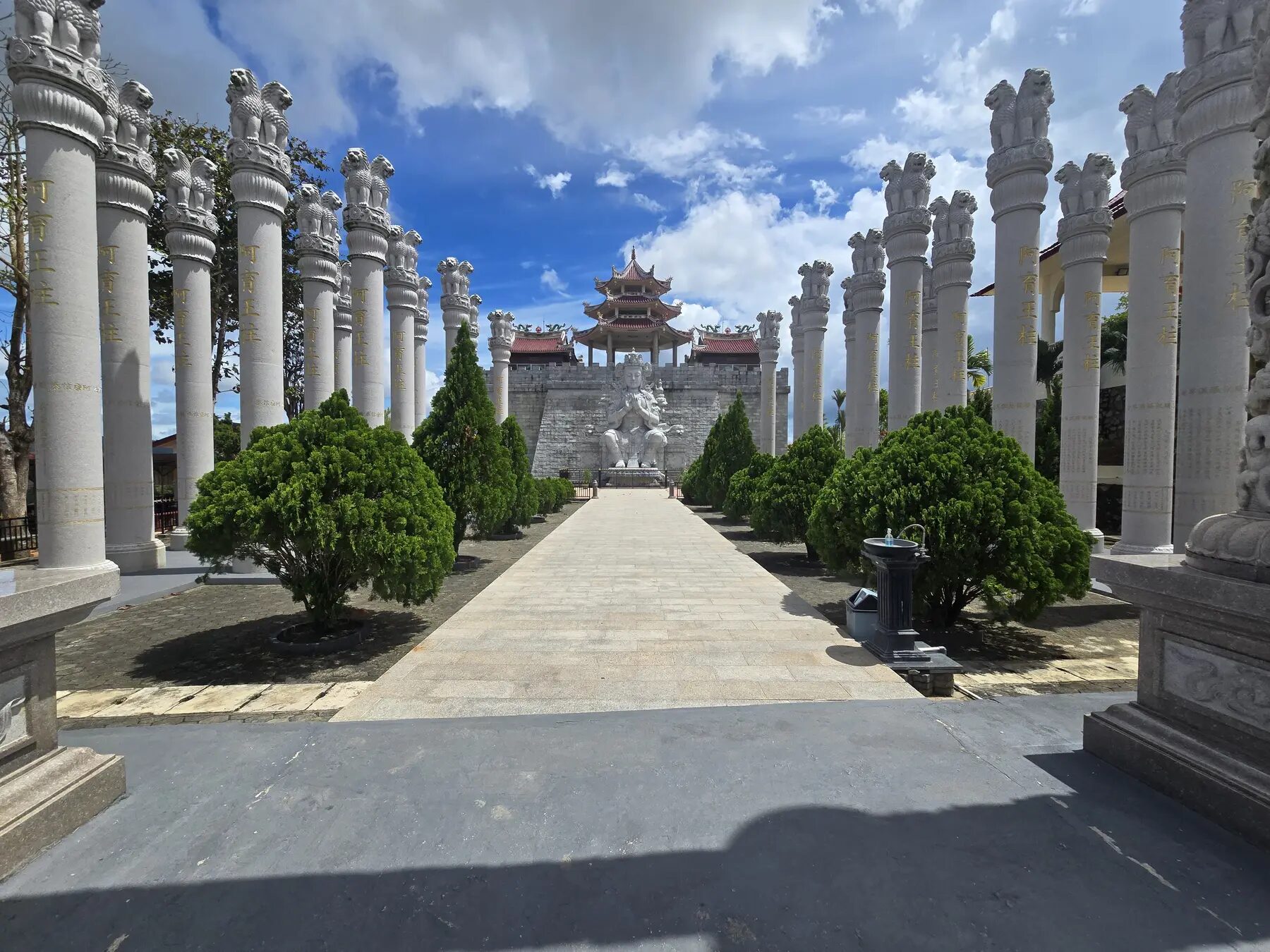
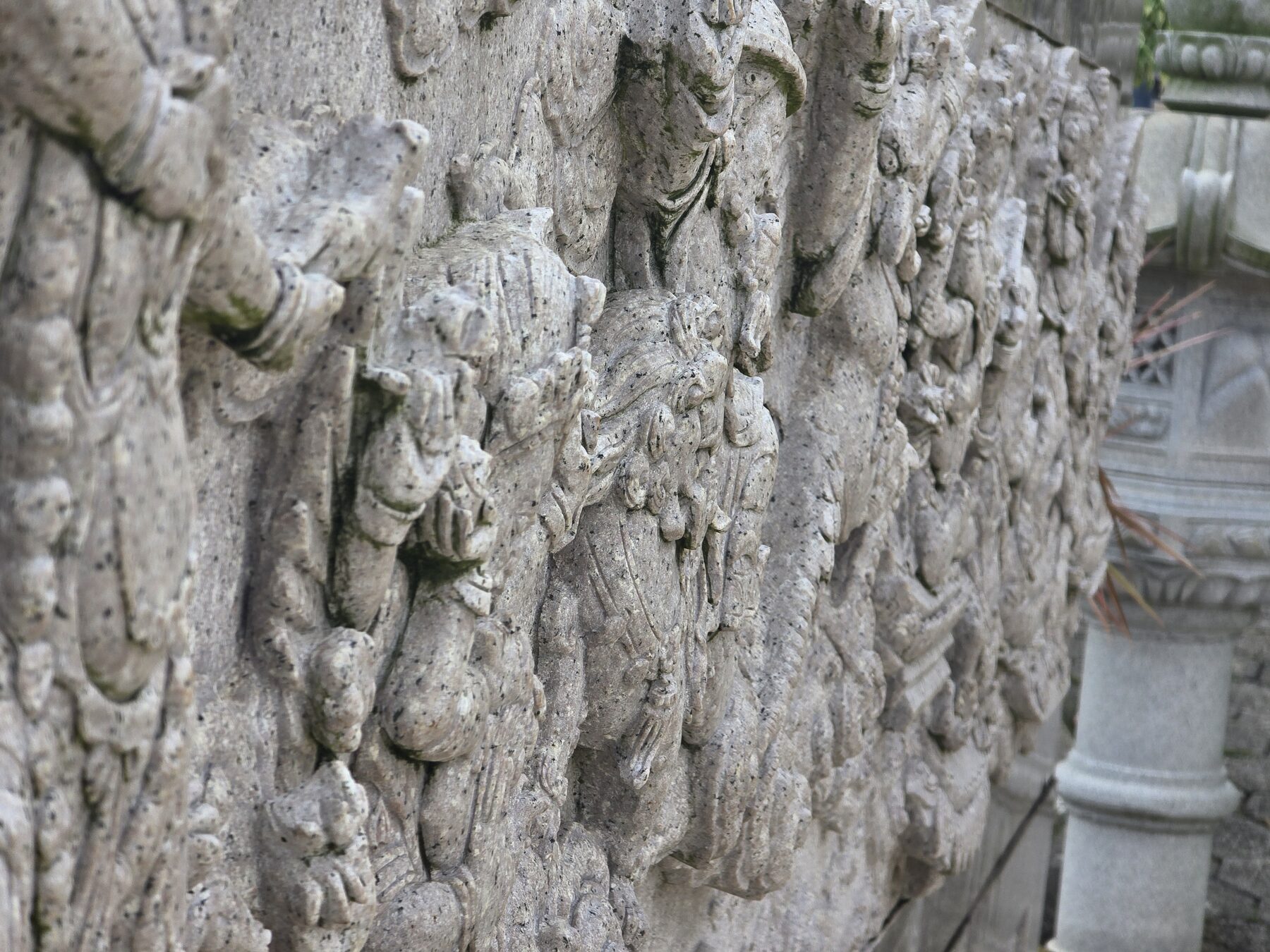
The 500 Lohan Temple is officially called Vihara Ksitigarbha Bodhisattva. It is known for hundreds of life-size lohan, or arhat, statues. Each figure has its own face, posture, and details.
Those differences were what made this temple special to us. From a distance, the collection is impressive; up close, you notice the individual expressions and clothing.
The temple is more than an Instagram spot. The figures have religious significance in Buddhism. Walk quietly through the complex and be considerate of people visiting to worship or reflect.
Combining the two temples
The two complexes show different aspects of Buddhist temple culture. Avalokitesvara Graha is known in part for its grounds and Guan Yin, while the many individual figures stand out at the 500 Lohan Temple. There is no need to pick a winner: visit both if you enjoy religious architecture.
The destination information for the 500 Lohan Temple will help you identify the right location. As a planning guide, allow around an hour for an unhurried visit. Expect walking, changes in level, and heat; not every route through a temple complex is step-free.
5. Bintan Mangrove Discovery Tour
The mangrove tour was a very different experience from our island drive. A boat takes you through waterways lined with dense vegetation. A guide usually explains the mangrove trees, wildlife, and the importance of the ecosystem.
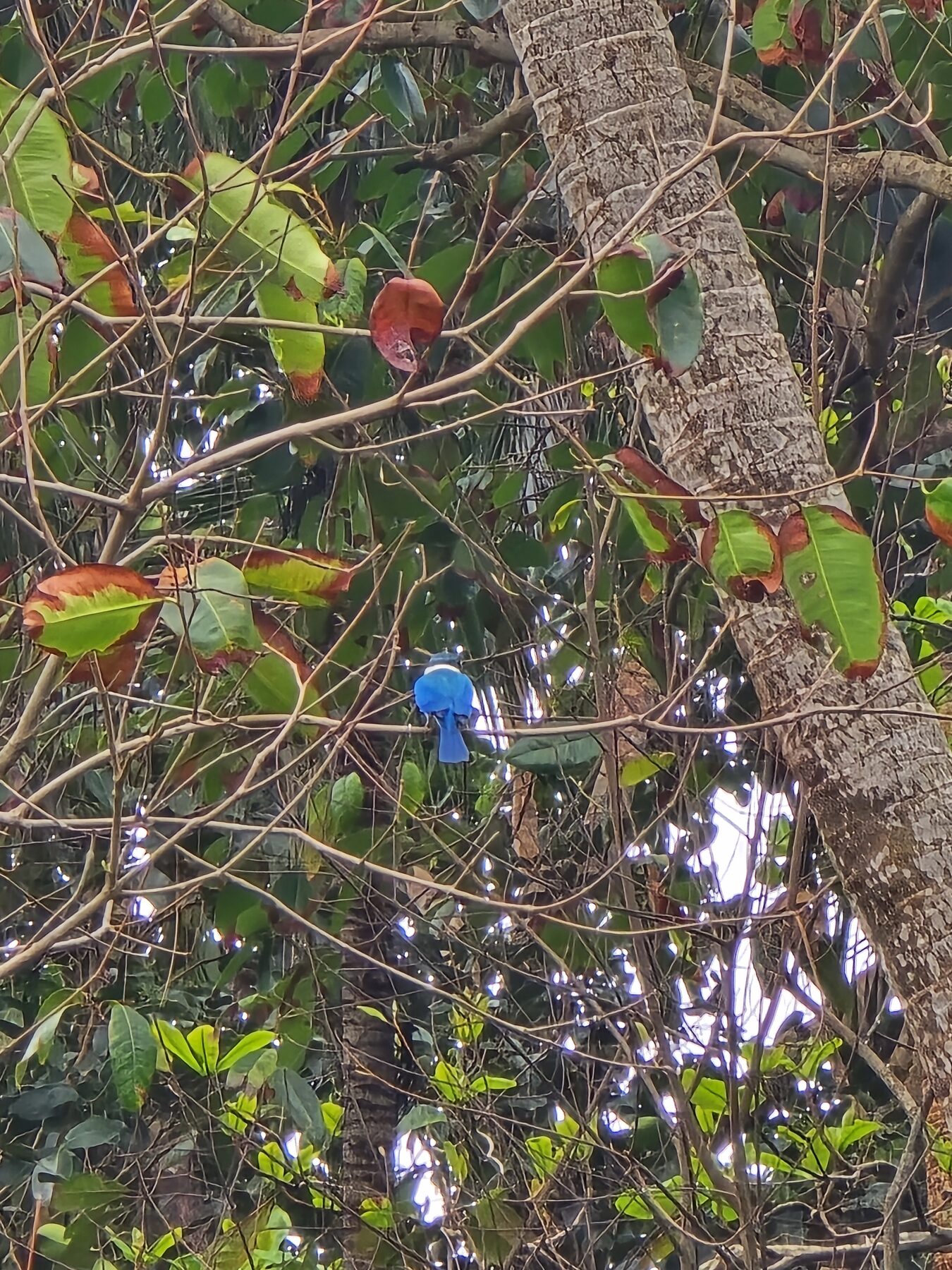
For us, the scenery and the silence in some stretches were the highlights. Snakes may be found in the trees or near the water, but wildlife does not appear on demand. Do not choose the tour solely to see one particular species.
Both daytime and evening tours are available. By day, you can see the landscape and vegetation more clearly. Evening tours are often offered for firefly viewing, but sightings depend on the weather and conditions.
What to bring
- insect repellent;
- light, breathable clothing;
- rain protection;
- water;
- a camera with a strap;
- a small pair of binoculars, if you have them;
- avoid loose items that could easily fall into the water.
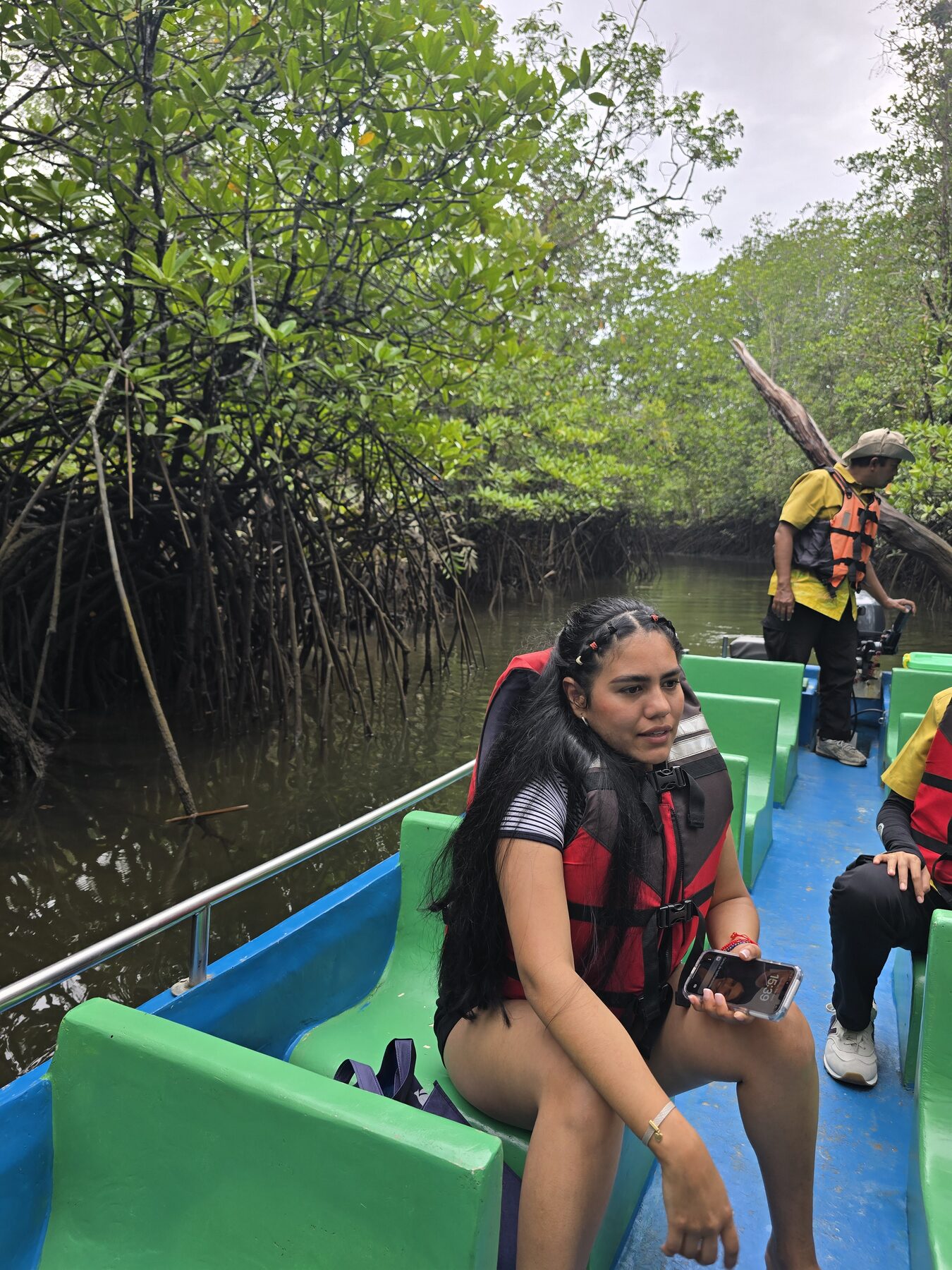
A daytime mangrove tour matches the experience described here. For this option, allow about an hour on the water, plus pickup and drop-off time. Check the pickup area and mention any difficulty boarding a small boat. Evening firefly tours are a separate option.
What our guide told us about the pandemic
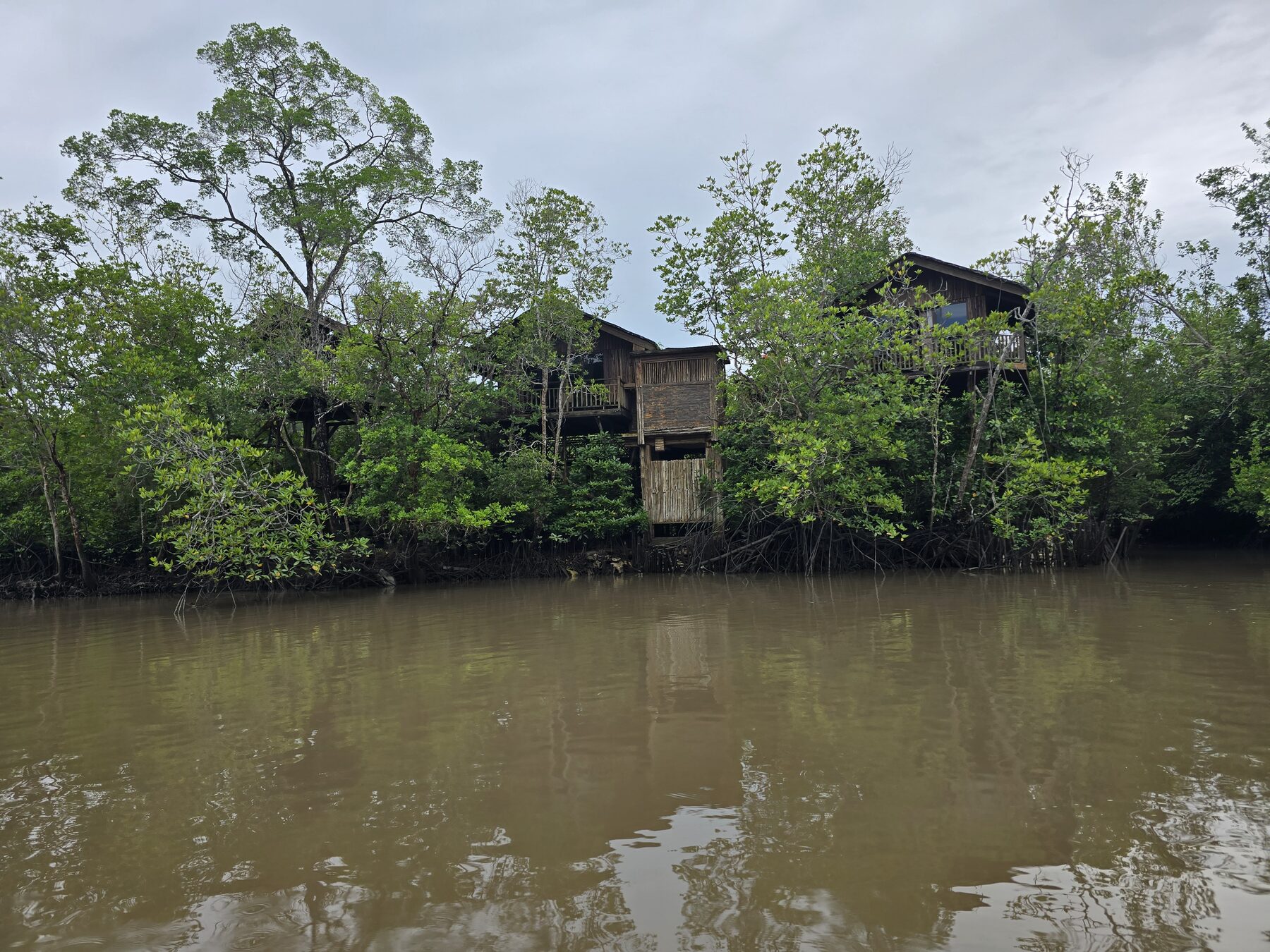
During the tour, we saw abandoned, deteriorating buildings along the water. Our guide explained that some resorts and tourism businesses had not survived the pandemic years.
That story stayed with us. Bintan depends heavily on visitors from Singapore. When borders closed, tourists almost completely disappeared. Fishing and other local businesses also faced disruption.
Not every empty building necessarily has the same history, and circumstances may have changed since our visit. What we saw was a reminder of how vulnerable tourism-dependent islands can be to global crises.
6. Wildlife on Bintan
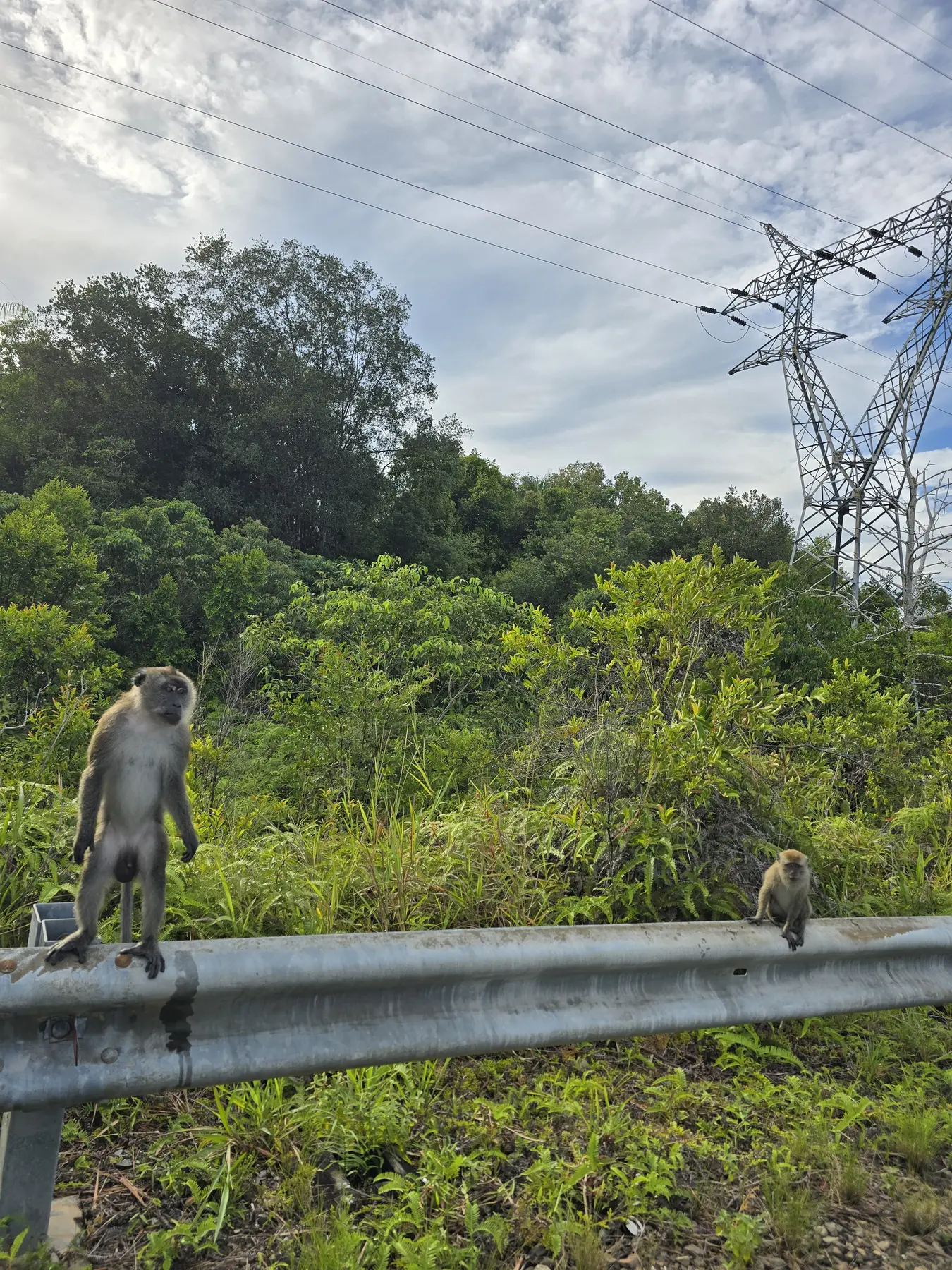
We did not need to visit a reserve to see wildlife. We spotted curious monkeys sitting by the roadside guardrail, and geckos and other small animals around our accommodation. The mangroves can be home to snakes, birds, and other small creatures.
Keep your distance and do not feed wildlife. Monkeys can react quickly to food and loose belongings. A telephoto lens or a zoomed phone photo is safer than approaching them.
7. Fishing villages, stilt houses, and kelongs
Fishing plays a visible role on Bintan. Along the coast and around harbors, you will see boats, wooden stilt houses, and structures built over the water.
A kelong is a traditional fishing platform, usually on wooden stilts, used for fishing or fish farming. Some larger structures also provide accommodation or house restaurants. Not every house over the water is therefore a kelong.
On our island tour, we saw fishing communities and boats in the harbor. This gave us a better sense of everyday island life than staying only in the resort area would have done.
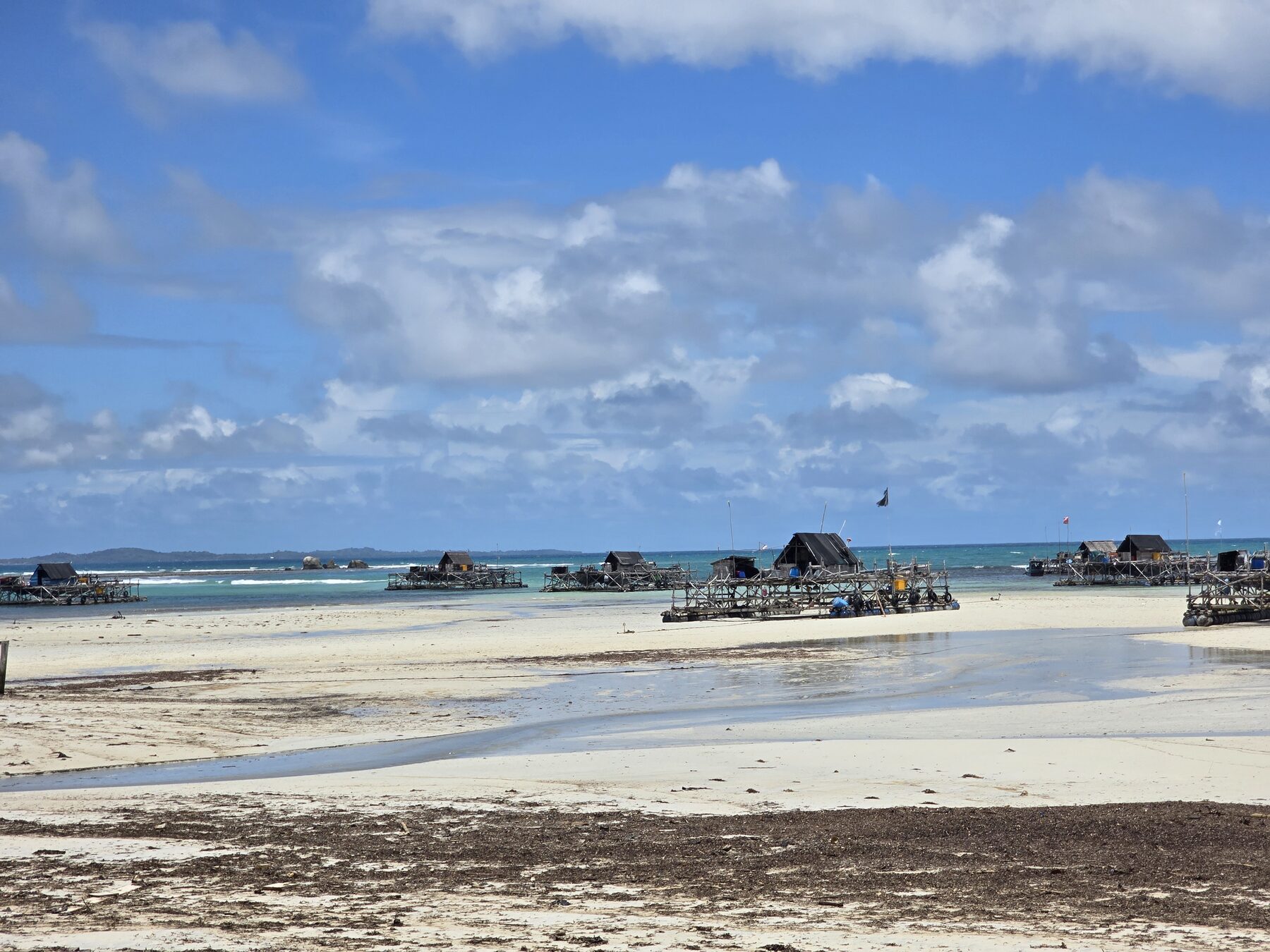
Ask your guide to suggest a suitable stop, and get permission before entering a pier, home, or workplace. A fishing village is a living community: let people work in peace and do not photograph them up close without asking.
8. Beaches and quiet coastal spots
Between organized excursions, doing nothing on the beach is an activity too. We especially enjoyed the peace and quiet. During our visit, we barely saw other tourists.
Keep your expectations realistic. The water is not clear turquoise everywhere, and litter can wash ashore. Tides, currents, and weather affect the beach. Ask your accommodation where it is safe to swim.
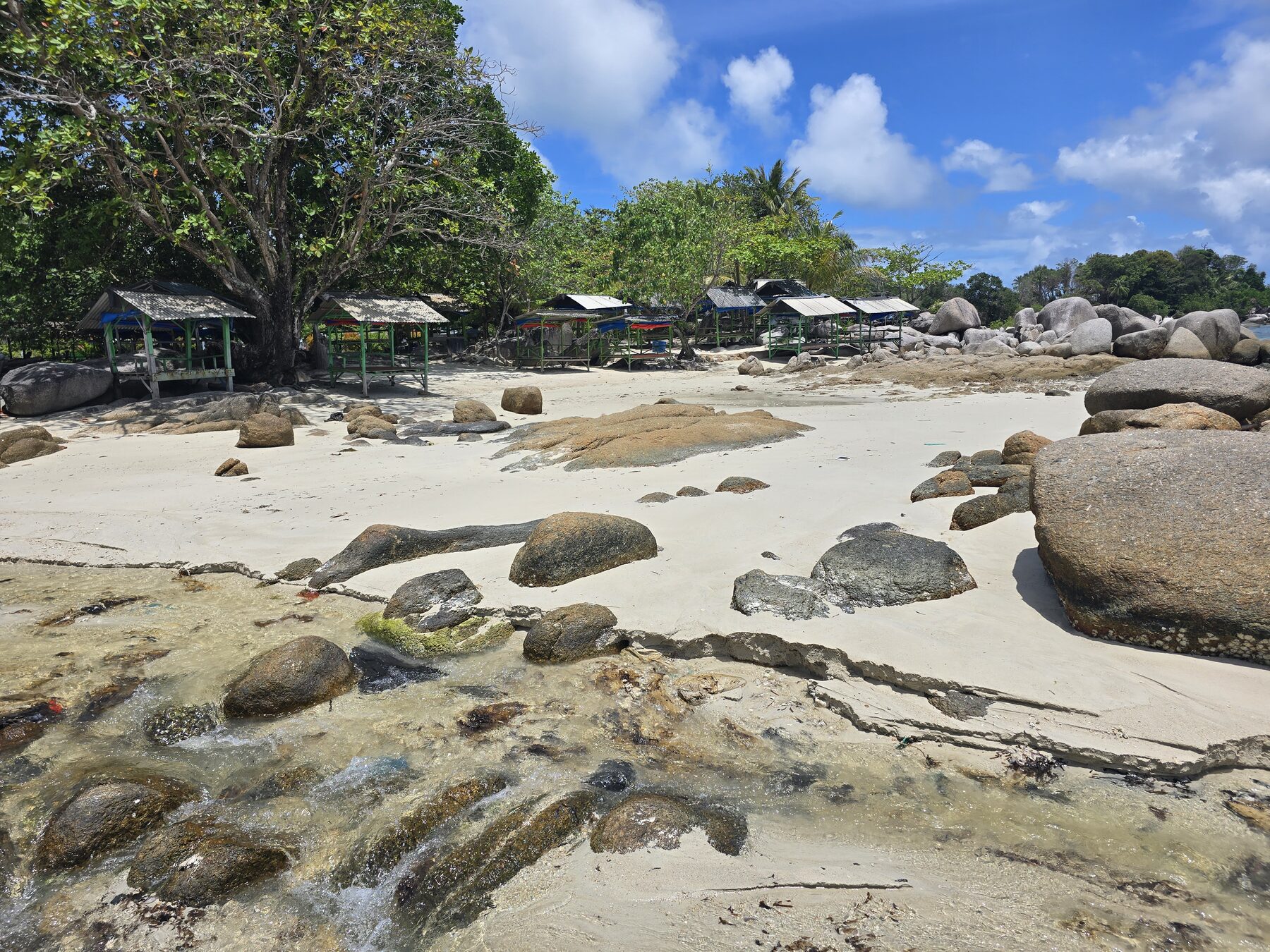
Try to keep beach time separate from a full day of sightseeing. That way, you do not have to leave as soon as you find a place you like. Not every beach has public access, and resorts may have entry conditions.
Free and budget-friendly activities
Not everything needs to be an organized tour. Depending on where you stay, you can:
- walk along the beach;
- watch the sunrise or sunset;
- explore resort gardens and coastal paths;
- visit local villages as part of an island drive;
- visit temple complexes, sometimes with a donation;
- try local food outside the larger resorts.
Always check whether an area is open to the public. Free access does not mean you can enter private land or religious spaces without permission.
How much do excursions cost? Prices checked September 27, 2026. Two examples help put prices in context. IDR means Indonesian rupiah.
- Mangrove Discovery Tour through Bintan Resorts: IDR 380,000 per adult, with a minimum charge for two adults. Round-trip transportation applies within the Bintan Resorts area; a meal costs extra.
- Bintan Highlights with Bintan Prestige: from IDR 800,000 per car for 1–4 guests, including a driver, fuel, and water. The route includes Blue Lake and Gurun Pasir, among other stops. Confirm admission fees, meals, and paid activities separately.
With four adults, the car example works out to from IDR 200,000 per person before extras. This is a different route and operator from the Klook day tour linked above, and it is not the price of our own trip. Compare stops, admission fees, and pickup locations carefully. If you book the mangroves through Klook, the price and conditions of your selected package apply.
A suggested one-day sightseeing itinerary
A possible route from the resort area is:
- Leave early for Gurun Pasir and Blue Lake;
- make a short stop for scenery or a village along the way;
- have lunch in or around Tanjungpinang;
- visit Vihara Avalokitesvara Graha;
- visit the 500 Lohan Temple;
- stop at the coast or a fishing area if time and the route allow;
- return to the resort.
The exact order depends on traffic, opening hours, heat, and where you are staying. Avoid adding too many extra stops. Bintan is larger than it looks on a map.
What to choose if you are short on time
With one sightseeing day, a drive combining Blue Lake, Gurun Pasir, and the temples is a sensible option. If you have another half day, add the mangroves. That gives you open scenery, culture, and nature without cramming everything into one long day.
If relaxation is your priority, choose fewer stops. For children or travelers who cannot walk far, a shorter program with shade and restroom breaks is often more comfortable. Discuss how much time you want to spend in the car as well as which places you want to see.
For a suggested itinerary for the full trip, see combining Singapore and Bintan. If you are leaving by boat the same day, allow plenty of time before ferry check-in.
Practical planning tips
- Start early because of the heat and distances.
- Bring water and sun protection.
- Dress respectfully for temple visits.
- Use insect repellent for the mangroves.
- Keep small amounts of cash for donations or admission.
- Agree on the route and finish time with your driver in advance.
- Check current opening hours shortly before your visit.
- Avoid a tight ferry connection immediately after a long island tour.
Our overall impression
There is much more to Bintan than lying on the beach. Gurun Pasir and Blue Lake offer unusual scenery, the temples reveal the island’s cultural diversity, and the mangroves bring you close to nature.
Our main tip is to spend at least one day outside the resort area. A driver or guide helps you combine different sides of the island and understand more along the way. Add a mangrove trip and enough downtime, and three nights make a good first visit.
Complete Bintan travel guide
Combining Singapore and Bintan
Ferry from Singapore to Bintan
Discover more from DutchieWorldTravel
Subscribe to get the latest posts sent to your email.




One Comment
Pingback: