
Galápagos Travel Guide: Islands, Wildlife, and Practical Tips
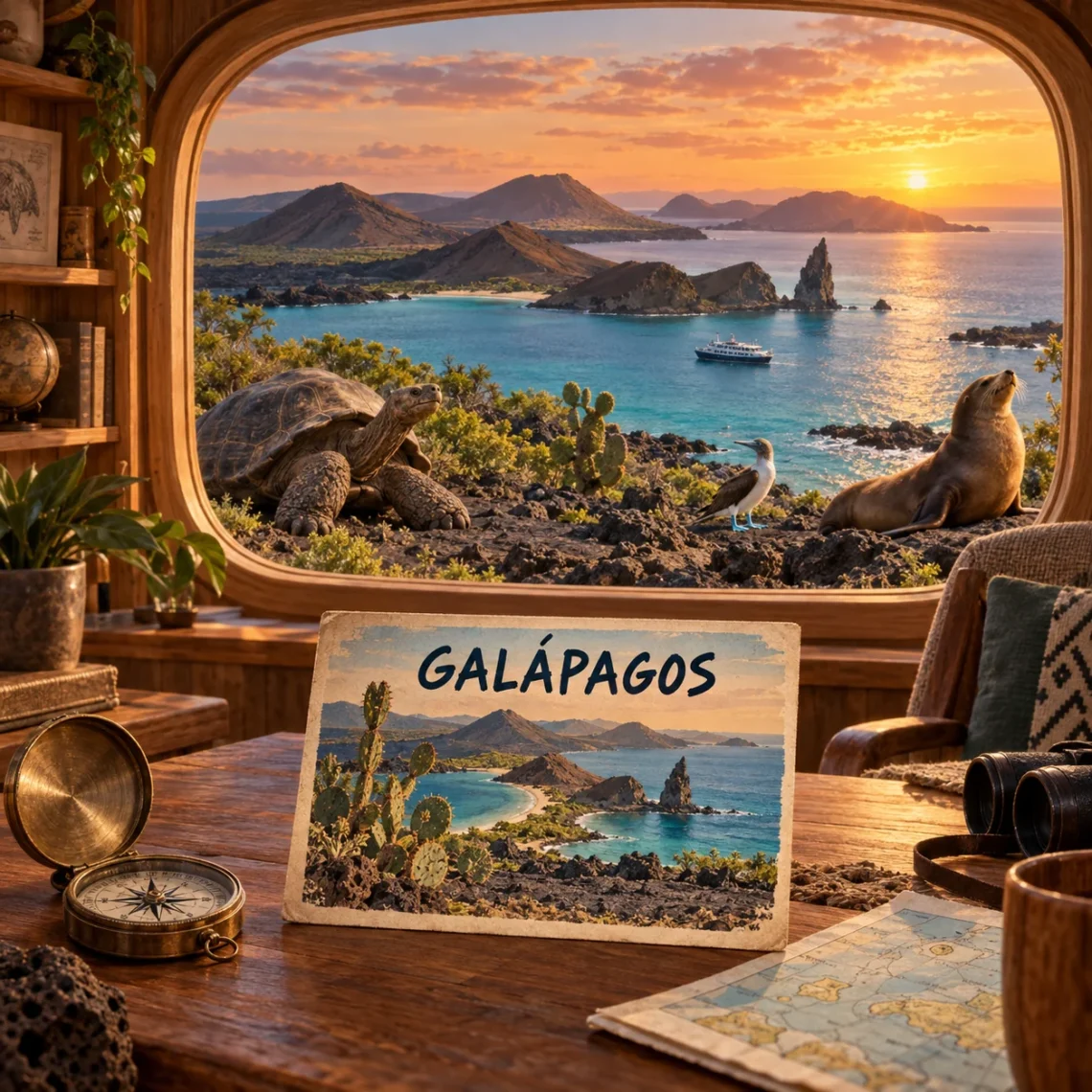
The Galápagos Islands combine volcanic landscapes, remarkable wildlife, and travel logistics that require more preparation than an ordinary beach destination. This guide helps you choose between Santa Cruz, Isabela, San Cristóbal, and other islands, while connecting you with detailed itineraries, costs, transportation, and wildlife advice.
We visited the Galápagos in July 2024 and used Puerto Ayora as our main base. On Santa Cruz we explored beaches, giant-tortoise habitat, and lava tunnels. During a day trip to Isabela, we snorkeled among lava rocks and saw whitetip reef sharks, sea lions, and penguins. Wildlife remains wild, so our sightings can never guarantee what another traveler will see.
Current information: Fees, entry rules, boat schedules, visitor sites, and airline procedures can change. Verify official information and reconfirm every booked operator shortly before departure.
Inside this guide
This page contains affiliate links. If you book through them, we may earn a commission at no extra cost to you. Learn more.
Plan your stay and activities
Match your accommodation to your island route. Check connections and excursion dates before finalising hotels.
- Galápagos at a glance
- Our July 2024 experience
- Choosing the right islands
- Santa Cruz and Puerto Ayora
- Isabela and Puerto Villamil
- San Cristóbal and other islands
- Seven, ten, or fourteen days
- Flights and island transportation
- Costs and formalities
- Wildlife
- Snorkeling and diving
- Best time to visit
- Rules and conservation
- Practical booking order
- Frequently asked questions
Galápagos at a glance
| Location | Pacific Ocean, roughly 620 miles (1,000 kilometers) from mainland Ecuador |
| Main arrival airports | Baltra, serving Santa Cruz, and San Cristóbal |
| Logical first combination | Santa Cruz and Isabela |
| Travel style | Independent island hopping, cruise, or a combination |
| Additional fixed costs | Transit Control Card and Galápagos National Park entry |
| Our travel period | July 2024 |
The Galápagos is a protected archipelago with inhabited islands, uninhabited nature areas, and designated visitor sites. You cannot travel independently everywhere. Many locations are accessible only with a licensed naturalist guide or organized excursion. That may limit spontaneity, but it also protects a fragile ecosystem.
Our experience in July 2024
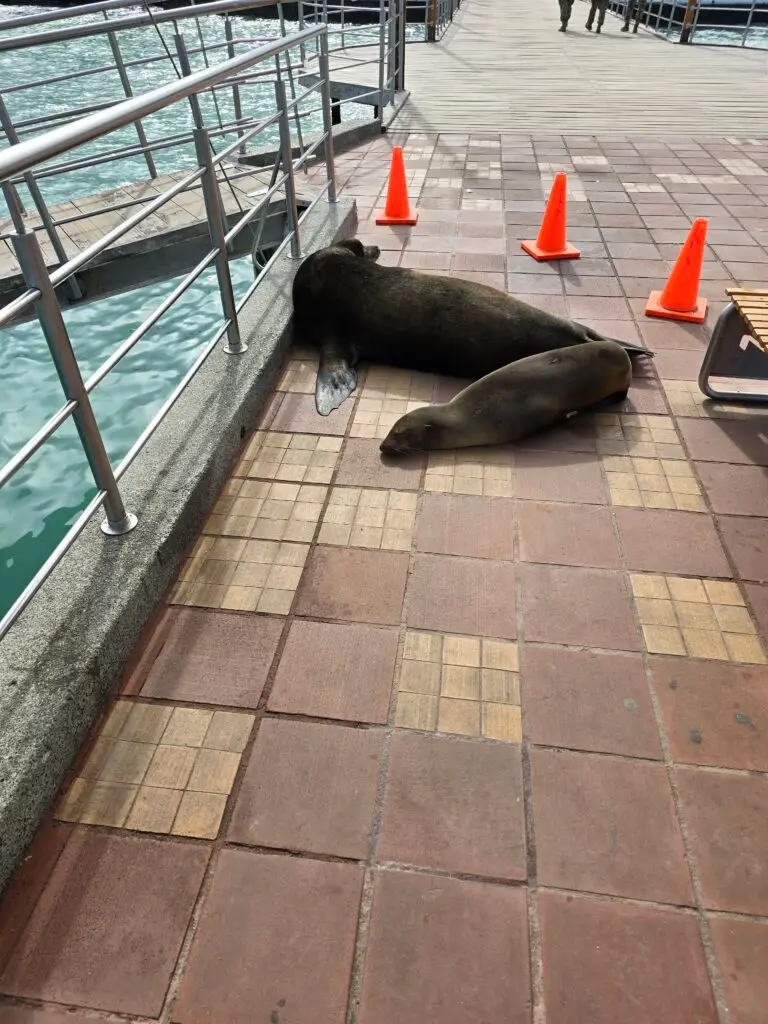
Puerto Ayora was our base for about a week. Its harbor, restaurants, stores, and wide selection of excursions made everyday logistics straightforward. One of the most memorable details was at the pier, where staff used cones to protect the space around resting sea lions. In the Santa Cruz highlands, we saw giant tortoises and walked through lava tunnels.
For Isabela, we left on an organized morning trip and returned the same evening. The sea was calm, although some passengers still became seasick. Anyone prone to motion sickness should discuss a suitable option with a doctor or pharmacist before travel. We brought our own masks and fins, which is especially useful when rental sizes may not fit well.
Which islands fit your trip?
The best combination depends on your available days, boat connections, budget, and preferred activities. Do not treat the trip as a contest to collect the greatest number of islands. Transfer days use energy, and an extra night in one place leaves room for changing weather, sea conditions, and rest.
| Island | Best suited to |
| Santa Cruz | First-time visitors, strong services, tortoises, lava tunnels, and a wide excursion choice |
| Isabela | Beaches, a quieter island atmosphere, snorkeling, and volcanic scenery |
| San Cristóbal | Sea lions, snorkeling, and an airport close to town |
| Other islands | A targeted day tour or cruise chosen by visitor site and season |
Santa Cruz and Puerto Ayora
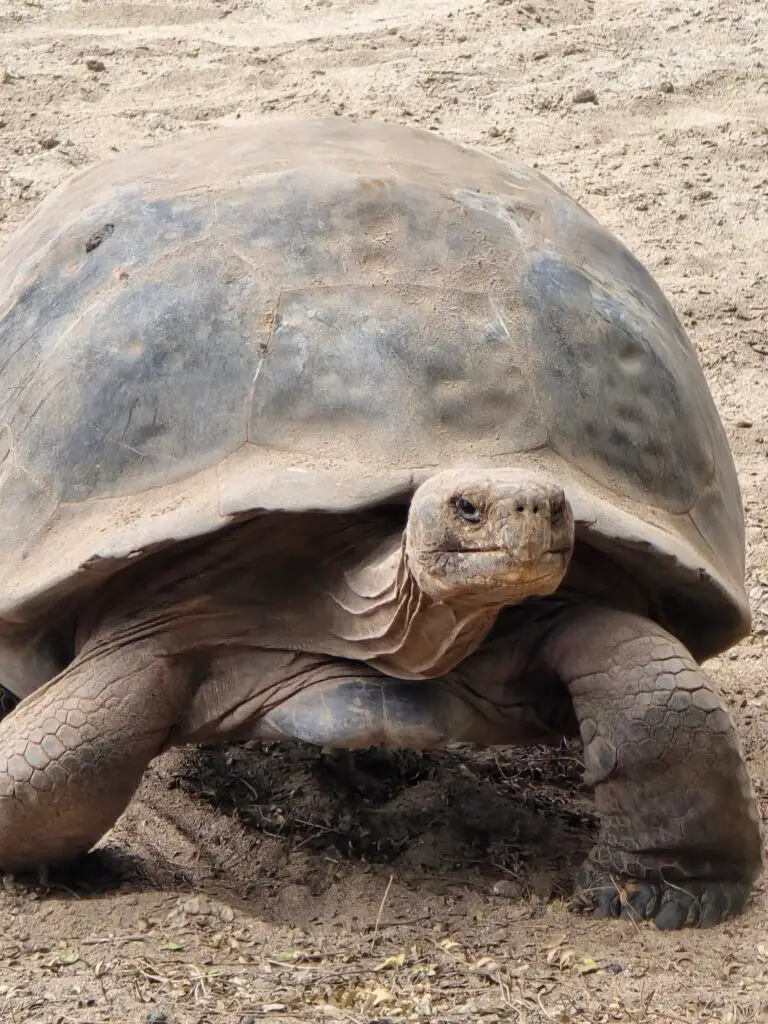
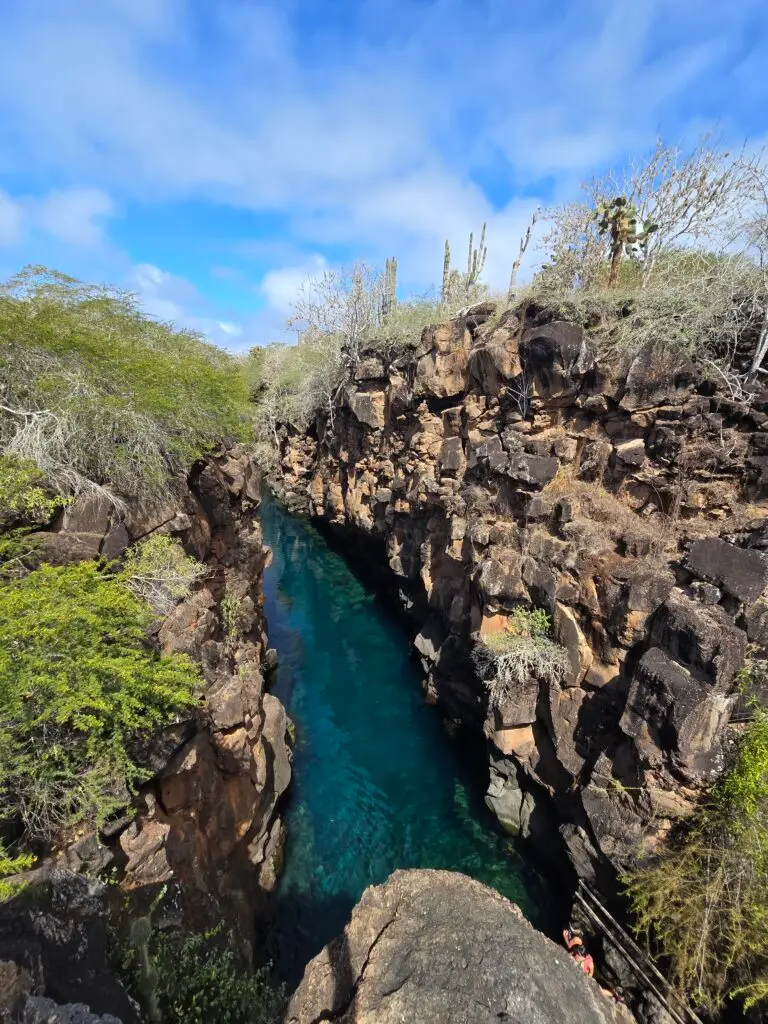
Santa Cruz is the most practical first base for many travelers. From Baltra, the trip to Puerto Ayora normally involves ground transportation, a short channel crossing, and another drive. Around town you can plan the Charles Darwin Research Station, Tortuga Bay, and Las Grietas. The highlands offer giant-tortoise areas, craters, and lava tunnels.
Do not schedule every city activity and excursion back to back. The walk to Tortuga Bay is longer and more exposed to the sun than the map may suggest, while the highlands can feel cool and damp. Our Santa Cruz and Puerto Ayora guide explains the practical choices in detail.
Isabela and Puerto Villamil
Isabela feels smaller and quieter than Santa Cruz. Puerto Villamil has a long beach and serves as a base for sites such as Los Túneles, Las Tintoreras, Sierra Negra, Concha de Perla, and the wetlands. Access depends on management, conditions, and the specific visitor location.
Staying overnight requires aligning boat days with accommodation and excursions. A day trip from Santa Cruz provides an introduction, but several nights offer more breathing room. Compare both approaches in the complete Isabela guide.
San Cristóbal and other islands
San Cristóbal has its own airport and can anchor the beginning or end of a route. Sea lions are common around Puerto Baquerizo Moreno, and excursions depart for several nature areas. Floreana, Española, North Seymour, Bartolomé, Santiago, and Fernandina are generally visited through a specific day tour or cruise itinerary.
Choose a trip by the exact visitor site, cruising time, walk, snorkeling opportunity, and difficulty—not by island name alone. Large islands contain separate visitor sites that cannot necessarily be combined in one visit. Wildlife varies by location and season.
Choosing a 7-, 10-, or 14-day itinerary
With seven days, Santa Cruz plus Isabela can work when connections align. Ten days allow the same combination at a calmer pace or the addition of San Cristóbal. Fourteen days create room for more islands, a cruise, or extra mainland Ecuador time.
- Seven days: limit the number of bases and protect arrival and departure time.
- Ten days: add rest days or one additional island.
- Fourteen days: combine island hopping with a cruise or more visitor sites.
Build the large structure first with our Galápagos itineraries for 7, 10, or 14 days, then reserve individual hotels and excursions.
Independent island hopping lets you choose accommodations, restaurants, and a mix of free days and tours, but it requires careful boat planning. A cruise reaches visitor sites that may be difficult from a hotel, while fixing the cabin, sailing schedule, meals, and most excursions. Compare more than price: look at full visitor days, landings, snorkeling sessions, group size, guide level, and how much transit time the route contains.
How do you reach the Galápagos?
Flights leave mainland Ecuador for Baltra or San Cristóbal, most commonly through Quito or Guayaquil. Before departure you complete additional Transit Control Card and biosecurity steps. Arrive with substantial time and follow the airline and authorities’ latest instructions.
Traveling through Guayaquil? Use our step-by-step airport and Galápagos guide. For boats, water taxis, the transfer from Baltra, and inter-island flights, read Galápagos transportation.
Costs, TCT, and National Park entry
The Transit Control Card and National Park entry are separate expenses. At the time of this update, official information listed the standard foreign adult park fee at US$200 and the TCT at US$20. Children, Ecuadorian residents, and certain other categories have different rates. Always verify your own category and accepted payment methods.
Flights, accommodation, inter-island transportation, and guided excursions make up most of the remaining budget. Instead of relying on one average daily figure, separate fixed entry charges, transportation, rooms, food, and tours. Our Galápagos cost guide provides realistic sample budgets.
Wildlife without guarantees
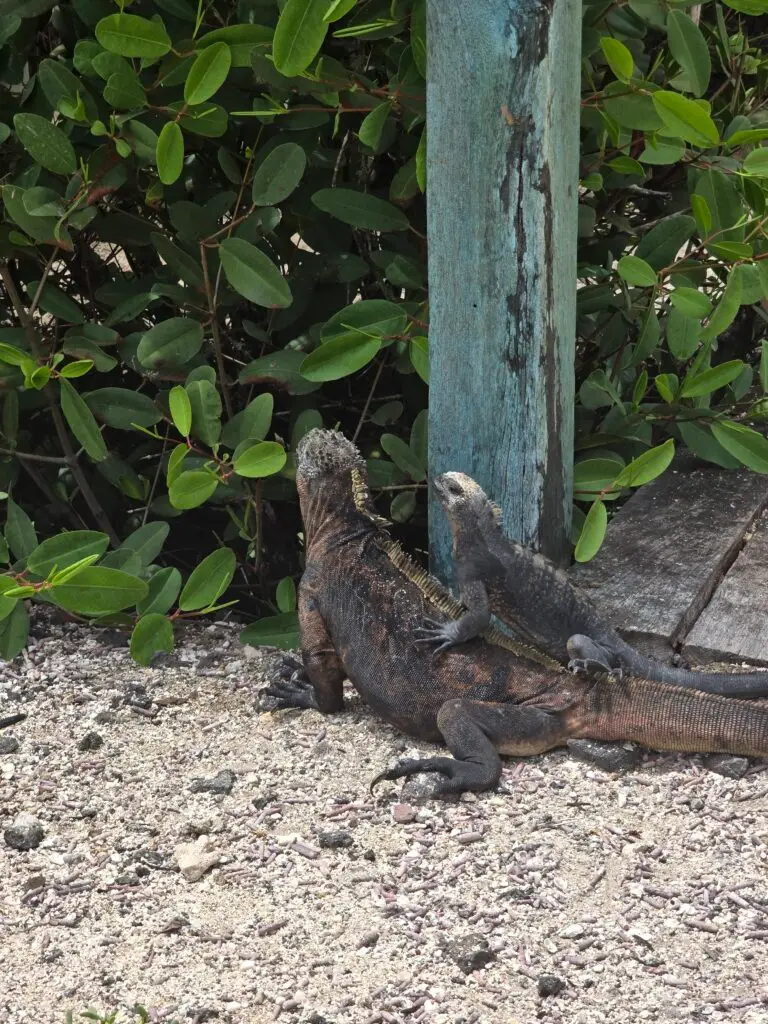
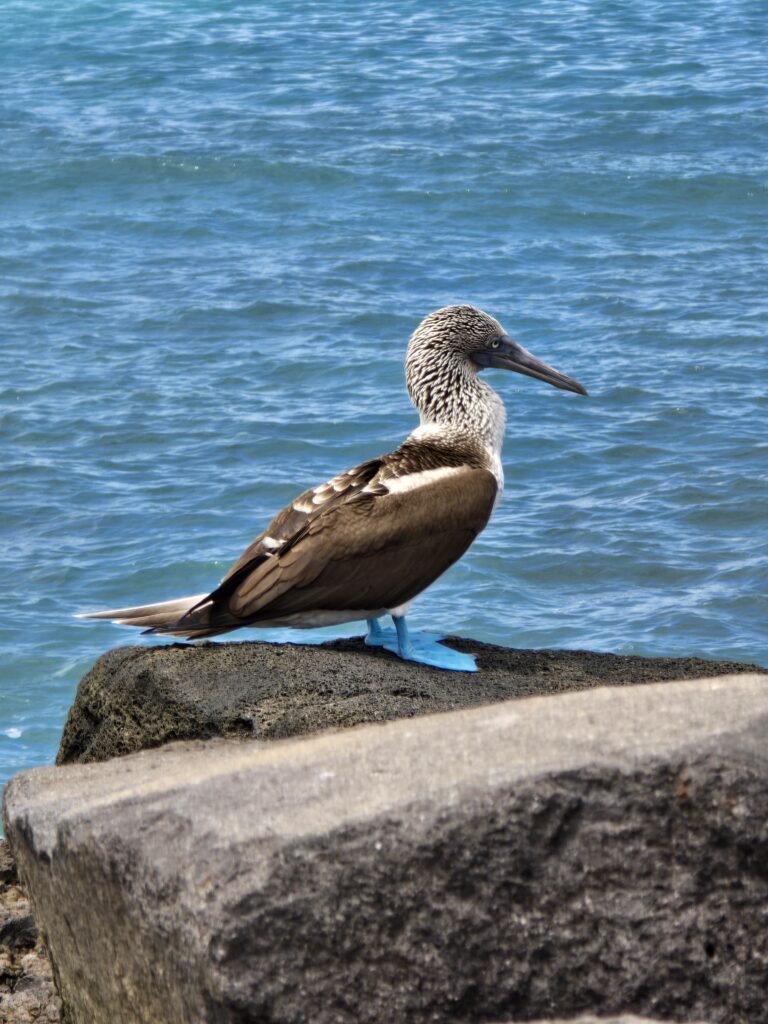
Giant tortoises, sea lions, marine iguanas, blue-footed boobies, Galápagos penguins, sea turtles, and reef sharks are among the animals visitors may encounter. Their presence and behavior depend on nature, season, weather, currents, and chance. Choose excursions for their landscape, route, and guide quality as well as a hoped-for species.
Maintain the required distance, never block an animal’s route, and do not touch or feed wildlife. Even when a sea lion or bird approaches you, remain calm and follow the guide’s direction. Use zoom rather than stepping closer.
Snorkeling and diving
Snorkeling among lava rocks was a highlight for us. On the Isabela excursion we saw whitetip reef sharks, sea lions, and penguins. Current, visibility, water temperature, and entry conditions vary, so ask about the entry point, swim distance, wetsuit, flotation equipment, and supervision before booking.
We did not scuba dive. Diving guidance on this site is researched planning information rather than personal dive experience. Certified divers should discuss qualification, recent experience, conditions, and medical fitness directly with the dive operator. Continue with our snorkeling, diving, and wildlife guide.
Best time to visit
The Galápagos can be visited year-round, but air, water, sea state, and animal activity change with the season. The warmer period generally brings warmer water and a more tropical feel. During the cooler period, nutrient-rich water can support marine activity while making a wetsuit more welcome.
We traveled in July 2024 and experienced comfortable weather and a calm sea on our excursion. That is one trip, not a forecast. Match your priorities to our detailed best-time-to-visit guide.
Rules and conservation
Restrictions are visible throughout the islands. Many visits require a guide and travelers must stay on designated routes. It can feel less independent, but we understand why it matters: without clear controls, people quickly step too close to wildlife or off the path.
- Do not touch or feed animals.
- Remain on designated paths and with your group.
- Do not remove plants, rocks, sand, shells, or other natural material.
- Check which foods and biological products may enter the islands.
- Use drones only with documented authorization.
- Follow guide and crew instructions while swimming, diving, and boating.
Read the full Galápagos rules and essential dos and don’ts before departure.
A practical booking order
- Choose the arrival and departure islands.
- Verify the current TCT, park fee, and biosecurity procedure.
- Set the island sequence and major transfers.
- Book accommodation in the correct town on each island.
- Reserve a few priority excursions and keep recovery time.
- Reconfirm flights, baggage, transfers, and tour meeting points shortly before travel.
You can compare Galápagos accommodations on Expedia. Filter by the correct island and town, then verify the complete price and cancellation terms.
Choose lodging around the first activity of the day. A harbor location helps with early boats, while a room a few streets inland may be quieter. Check breakfast time, drinking-water availability, and how bags reach the pier. On Isabela, align every hotel night with the inbound and outbound boat.
Frequently asked questions
How many days do you need?
Seven days is a workable minimum for two islands. Ten to fourteen days provide more rest and room for additional visitor sites or a cruise.
Can you visit without a cruise?
Yes. You can stay on inhabited islands and combine independent time with guided day tours. Many protected visitor sites still require a licensed guide.
Can you travel independently between every island?
No. Not every island has a public connection or freely accessible visitor sites. Check whether each leg requires a passenger boat, flight, day tour, or cruise.
Is the National Park entry still US$100?
Not for most foreign adults under the current standard category. The official rate is now US$200, but verify the live table and your own category.
What if you get seasick?
Susceptibility differs by traveler and route. Discuss medication with a qualified professional and avoid building the trip around repeated tight boat connections.
Official sources and last review
We reviewed entry charges and arrival formalities through the official Galápagos fee information and National Park arrival guidance. Content reviewed September 12, 2026; personal experience dates from July 2024.
Planning mainland Ecuador as well? Start with our complete Ecuador travel guide.
Compare your stay
Compare Hotel Fiesta in Puerto Ayora with Isamar in Puerto Villamil. Choose your island first, then check rooms and terms.
Discover more from DutchieWorldTravel
Subscribe to get the latest posts sent to your email.



4 Comments
Pingback:
Pingback:
Pingback:
Pingback: