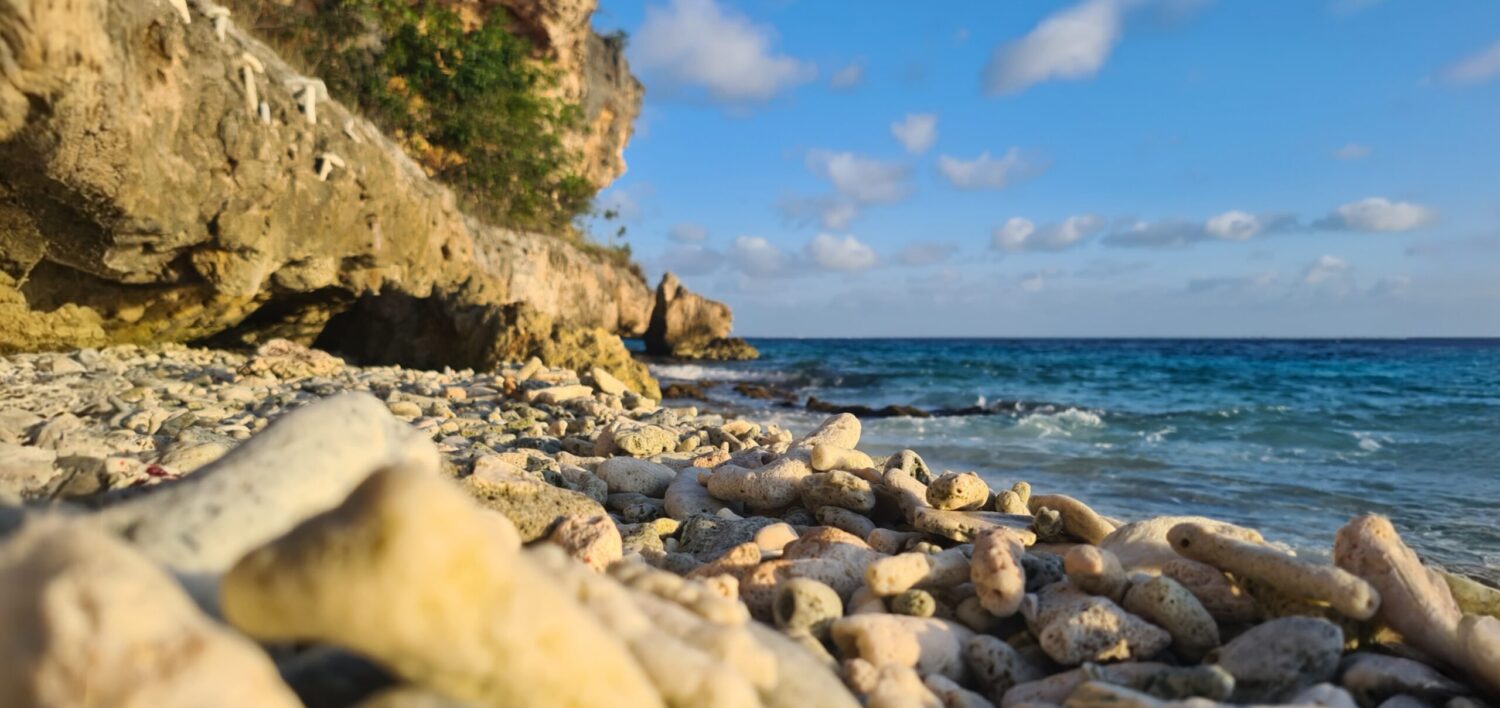


Santa Cruz, Galápagos: Puerto Ayora and Top Things to Do
Santa Cruz is the practical center of the Galápagos for many travelers. It is home to Puerto Ayora, the islands’ broadest choice of accommodations and excursions, the Charles Darwin Research Station, and easy access to beaches and the highlands. That makes it a logical first base for island hopping.
Some links in this article are affiliate links. If you book or buy through one, we may receive a commission at no extra cost to you. This helps support our website.
In this guide: our personal experience, Baltra transfers, Puerto Ayora, the research station, Tortuga Bay, Las Grietas, the highlands, day tours, a four-day plan, lodging, food, and onward travel.
Santa Cruz at a glance
Santa Cruz is the logistical hub of many island-hopping itineraries. Puerto Ayora has the largest selection of hotels, restaurants, tour companies, and ATMs. Boats leave its harbor for other inhabited islands and day excursions. The highlands are a short drive away, while beaches and lava landscapes can be reached from town.
Who is it for? Santa Cruz is an easy first base when you want restaurants and practical services alongside land activities and boat tours. Puerto Ayora is the town where most visitors stay; Baltra is the separate airport island.
Our personal experience
During our July 2024 trip, we stayed mainly in Puerto Ayora. From town, we explored the coast and visited the Santa Cruz highlands to see giant tortoises and lava tunnels. Watching the tortoises in a natural environment was impressive—take your time and let the animals determine the distance.
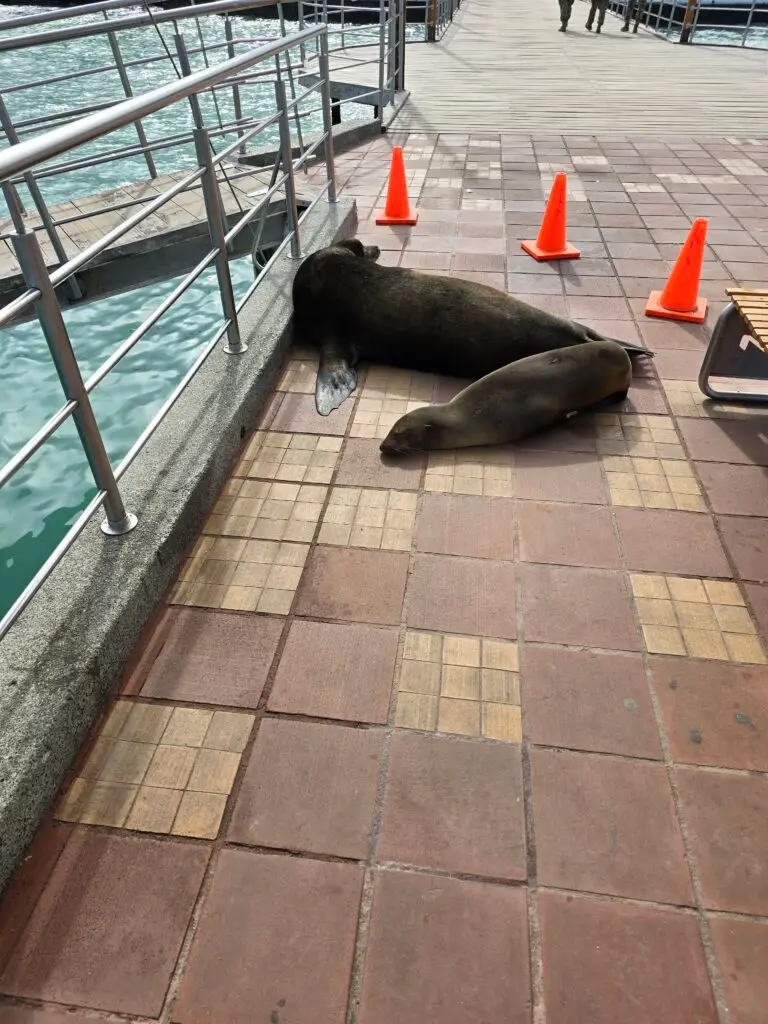
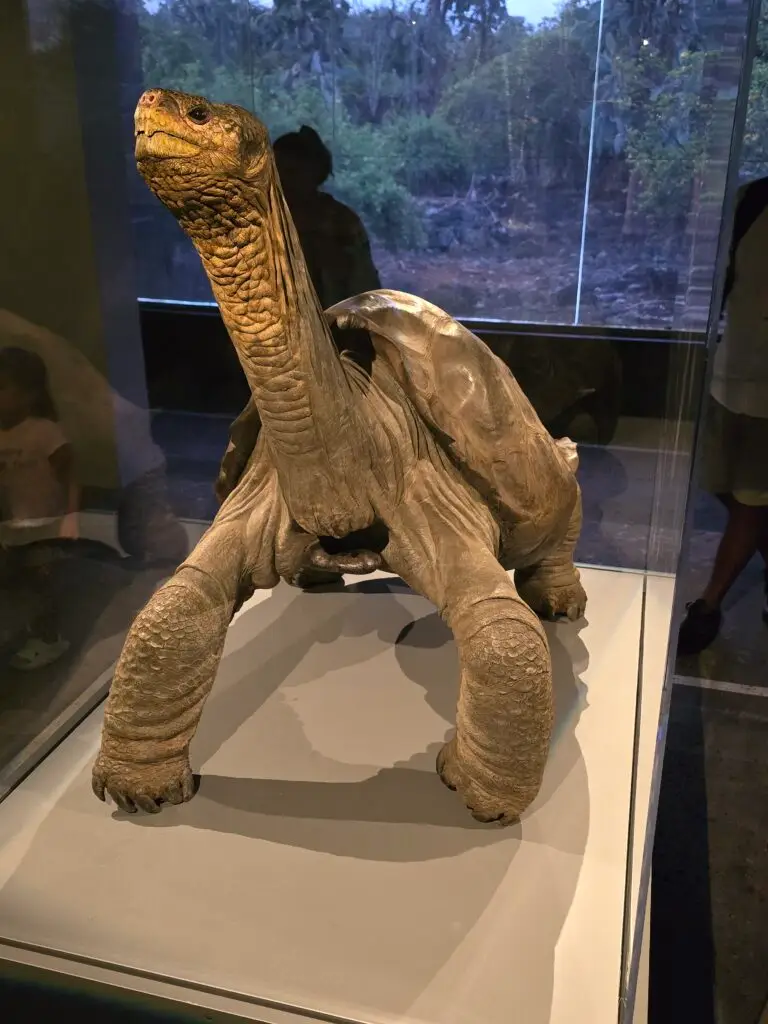
The story of Lonesome George also stayed with us. The last known Pinta Island tortoise has been preserved and can be seen at the breeding and research center. At the Puerto Ayora pier, we saw sea lions sleeping behind small barriers while visitors walked around them: a clear example of how people adapt to the animals here.
Comparing the main sights
| Place | Planning time | Check beforehand |
|---|---|---|
| Puerto Ayora and pier | 1–2 hours spread across your stay | Keep wildlife routes clear |
| Highlands and lava tunnels | Half a day | Transportation, ranch entry, and included guiding |
| Tortuga Bay | Half a day | Walking route, access, and safe swimming area |
| Research and breeding center | A few hours | Which areas require a guide |
| Las Grietas | Half a day including transfers | Access rules, guide, and any time slots |
| Boat excursion | Usually a full day | Destination, permits, equipment, meals, and cancellation |
These are comfortable planning estimates, not official visiting times. “Research station” and “breeding center” can refer to several accessible sections, so confirm exactly what your visit or guide includes.
From Baltra Airport to Puerto Ayora
After landing on Baltra, take the airport bus, a short boat across the Itabaca Channel, and then a public bus, shared taxi, or private taxi to Puerto Ayora. The journey involves several transfers, so keep your passport, receipts, and small bills accessible. Prices and procedures can change; follow official signs and staff instructions.
A taxi from the channel costs more but may be useful if you want to stop in the highlands on the way. Agree on the route, waiting time, luggage, and included admissions before departure. Our Galápagos transportation guide explains the complete chain.
Puerto Ayora
Puerto Ayora feels lively but remains compact enough to combine the harbor, shops, and restaurants on foot. Watch wildlife at the fish market and piers without approaching it. Sea lions use benches and docks as resting places, so leave them an open path to the water.
Use your first afternoon to refill water, withdraw cash, and confirm excursions. Check the exact departure point: the main pier, a water taxi, or another harbor area can make a practical difference. In the evening, verify the next day’s meeting point on an offline map and choose lodging within walking distance if you have several early departures.
Murals and local life
Puerto Ayora is more than wildlife and excursions. Side streets, schools, and community buildings feature murals about conservation and island life. Looking beyond the main waterfront gives you a better sense of the community behind the destination.
Charles Darwin Research Station
The research station demonstrates why conservation is central to the Galápagos. Exhibits cover giant tortoises, breeding and restoration programs, and the threat of invasive species. Access and guide requirements can change, so ask at the visitor center which route is open.
Tortuga Bay
The route to Tortuga Bay starts with registration and a long walk on a paved path with little shade. Bring water and sun protection and leave early. The broad ocean-facing beach can have strong currents and may not be suitable for swimming. Follow signs and ask the ranger where entering the water is permitted that day.
Distinguish between Playa Brava and the more sheltered Playa Mansa. Carry snorkeling items in a small backpack, keep shoes on for the access trail, and save enough energy and water for the return. Do not assume a boat ride back will be available unless it has been confirmed.
Las Grietas
Las Grietas is a narrow swimming channel between lava walls. From Puerto Ayora, visitors generally take a water taxi and then walk along a trail. Reservations, time slots, admission, or guiding requirements may change. Bring water shoes and expect slippery rock.
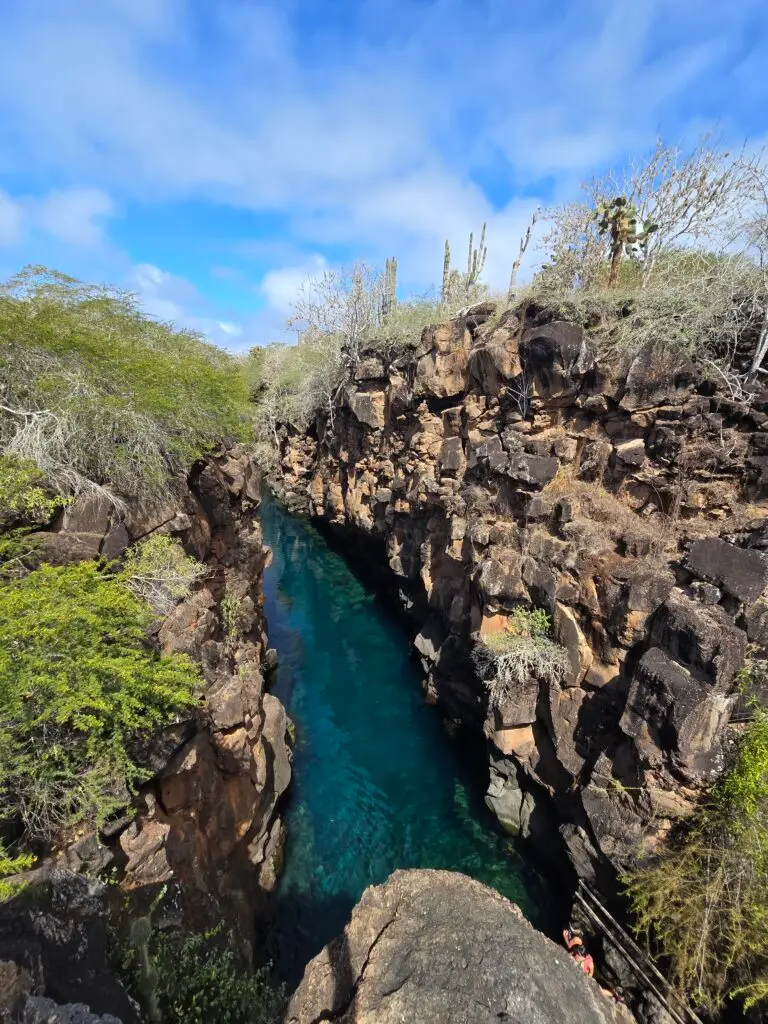
This is a controlled swimming site rather than an unrestricted beach. Ask about the current visiting procedure and price before leaving. Follow the guide’s instructions about safe entry and exit, and do not rely on smooth flip-flops as your only footwear.
The highlands: tortoises, craters, and lava tunnels
Giant tortoises roam a greener environment in the Santa Cruz highlands. Visit an approved reserve, keep your distance, and stay on the paths. Los Gemelos consists of large collapse craters surrounded by vegetation, while lava tunnels show the island’s volcanic origin.
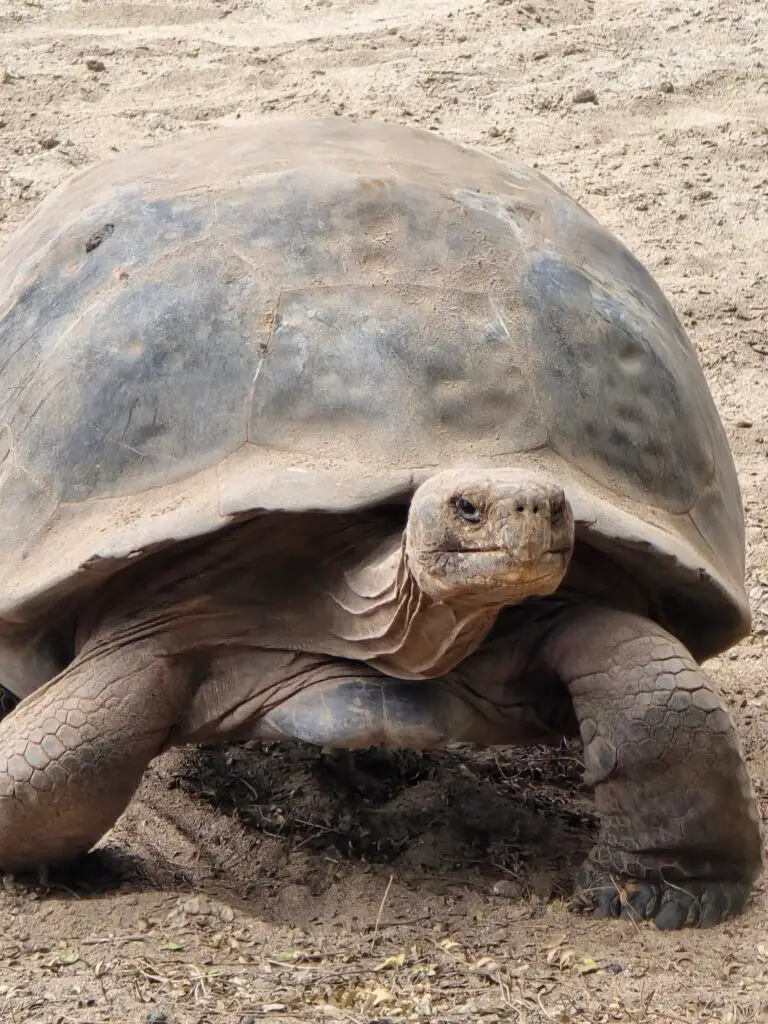
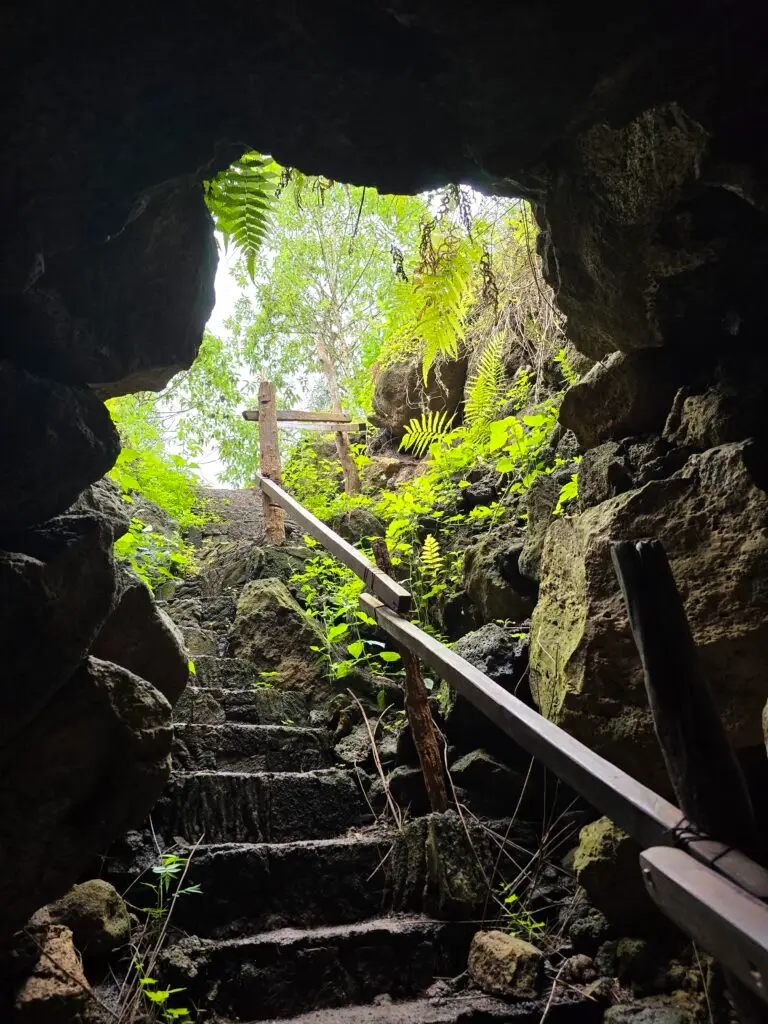
Bring a light rain layer because the highlands can be much cooler and wetter than Puerto Ayora. For a combined taxi or tour, confirm which ranch and tunnel are included and whether admission, guide, or rubber boots cost extra. Low tunnels require bending and trails may be muddy, so mention mobility limitations in advance.
Combine the highlands with an arrival or departure day
The road between the Itabaca Channel and Puerto Ayora passes through the highlands. A prearranged taxi can combine several stops if flight times, luggage, and opening hours allow it. Avoid this plan after a long international journey or when the connection is tight.
Day tours from Santa Cruz
Puerto Ayora offers boat trips to snorkeling sites and nearby islands. Routes differ in sailing time, landings, wildlife, and difficulty. Ask how many hours are genuinely spent at the visitor site, how large the group is, and whether a wetsuit, food, permits, and water taxis are included.
Sample four-day Santa Cruz plan
- Day 1: arrive from Baltra and explore the harbor and center at a relaxed pace.
- Day 2: highlands with tortoises and lava tunnels; keep the afternoon open.
- Day 3: choose one day tour or visit Tortuga Bay.
- Day 4: research station or short town walk before onward travel; with a full extra day, consider Las Grietas.
Do not schedule an activity with a fixed time slot or long return journey on departure day. For a longer stay, use our Galápagos itineraries to combine Santa Cruz with Isabela.
You can search for Galápagos lodging and filter specifically for Puerto Ayora. Check the walking distance to the harbor and whether an early breakfast is possible on excursion days.
Mix free and paid experiences
Puerto Ayora, its harbor, and several walking routes can be explored independently. Paid trips reach protected or remote sites. Choose one major boat day and use free or lower-cost places to preserve flexibility around weather and energy.
If Santa Cruz is your only island
With five to seven nights, you can build a complete trip without taking a speedboat to another inhabited island. Choose two day tours with different scenery, add the highlands, and keep at least one day flexible. This is a strong option when time is limited or you are sensitive to seasickness.
Where to stay on Santa Cruz
Lodging near the harbor is convenient for early boats and restaurants but can be busier and more expensive. A few blocks inland may be quieter. Check the walk with luggage, air conditioning, drinking water, and the hotel’s ability to arrange an early taxi.
Choose the island and town first, then compare the total price and terms for the nights in your route. View Galápagos accommodations on Expedia.
Food, money, and services
Puerto Ayora ranges from local lunch menus to international restaurants. Imported products cost more than on the mainland. Do not wait until just before an early boat to use an ATM, and keep small bills for water taxis and incidental expenses.
The town has more services than smaller islands, but specialized health care remains limited. Carry enough essential medication, drinking water, and suitable insurance. Protect yourself from the intense sun and build up activity gradually after flying.
Leaving for another island
Arrive at the correct pier well before the stated time and keep money for a water taxi separate. Waterproof electronics and documents. Plan only a quiet activity for the afternoon you reach the next island.
Frequently asked questions
How many days do you need on Santa Cruz?
Three full days is a useful minimum. Four or five days lets you combine the highlands, coast, and one boat trip without rushing every day.
Can you visit Santa Cruz without tours?
Many places around Puerto Ayora are independently accessible, while protected sites and boat excursions require guiding. Check every location.
Is Santa Cruz only a transfer island?
No. The highlands, Tortuga Bay, Las Grietas, Puerto Ayora, and the research station make it worthwhile as a destination in its own right.
Continue planning
Use the Galápagos travel guide as your overview and align your itinerary, transportation, and budget. Add Isabela when your schedule allows.
Updated September 12, 2026. Personal experiences refer to July 2024 where stated. Check current prices, opening hours, access rules, and travel advisories before departure.
Discover more from DutchieWorldTravel
Subscribe to get the latest posts sent to your email.



One Comment
Pingback: