
Bintan Travel Guide: Our Experience and Practical Tips
Bintan is often described as a tropical resort island near Singapore. That is partly true, but it does not tell the whole story. Beyond the beaches and resorts lies a much larger Indonesian island with mangroves, fishing communities, temples, villages, and lush green scenery.
We took the ferry from Singapore to Bintan in March 2025 and spent three nights at Mayang Sari Beach Resort. It was remarkably quiet during our stay. At times, it felt as though we were sharing a private island mostly with local residents. Yet we could still take excursions, and most facilities were open.
In this Bintan travel guide, we share what stood out to us, how to get there, how long to stay, and who will enjoy the island. We also offer an honest account of the seawater, litter on some beaches, and the visible impact of the pandemic.
Bintan at a glance: a green, welcoming Indonesian island within easy reach of Singapore. Go beyond your resort and make time for at least one island tour and a nature or mangrove excursion.
This article contains affiliate links. Booking through these links supports our website at no extra cost to you.
Contents
- Where is Bintan?
- Why visit Bintan?
- Our first impressions of Bintan
- How to get to Bintan
- Where to stay on Bintan
- Our stay at Mayang Sari Beach Resort
- Getting around Bintan
- Things to do on Bintan
- Beaches and seawater: what to expect
- Nature and wildlife
- Culture, temples, and fishing communities
- The visible impact of the pandemic
- Costs and payments
- Safety and health
- Best time to visit and crowds
- How many days do you need?
- Visa and arrival card
- Internet and staying connected
- Who is Bintan best for?
- Our overall impression
Where is Bintan?
Bintan belongs to Indonesia’s Riau Islands province and lies southeast of Singapore. It is considerably larger than its well-known northern resort area might suggest. Many international visitors arrive at Bandar Bentan Telani, the ferry terminal serving the northern vacation area.
The island has several different sides. The north has resorts, golf courses, and organized activities. Farther south and east, you will find villages, temples, fishing areas, and the surroundings of Tanjungpinang. A stay on Bintan can therefore combine relaxation with cultural discoveries.
Why visit Bintan?
The short journey from Singapore is the best-known reason to visit, but it is not the only one. Bintan is worth considering if you want to:
- combine a city break with peace and nature;
- experience Indonesia without taking another flight;
- visit temples and villages and discover local culture;
- explore mangroves and look for wildlife;
- spend a few days at the beach;
- slow down and travel at a gentler pace.
For us, the contrast with Singapore was a big part of the experience. After the busy streets and modern skyline, we arrived on an island where life moved much more slowly. We could feel the change almost immediately.
Our first impressions of Bintan
The first thing we noticed was the peace and quiet. There were other tourists, but we barely saw them. That was our experience during this particular stay; other dates may be busier. The beach, resort, and excursions never felt crowded.
Even so, it did not feel as though the island had shut down. With a few exceptions, facilities were available as usual. Whenever we needed transportation within the resort, someone made a call and we were usually picked up within seconds or a few minutes.
The people may have made the biggest impression of all. We felt welcome right away. If anything was unclear, we could simply ask and someone would help. That relaxed, helpful attitude quickly made us feel comfortable and at ease.
How to get to Bintan
We traveled from Singapore’s Tanah Merah Ferry Terminal to Bandar Bentan Telani. This route is particularly convenient if you are staying in the northern resort area. According to Bintan Resort Ferries, the crossing takes about 70 minutes, but you also need to allow time for getting to the terminal, checking in, and immigration.
Bintan is in Indonesia, so this is an international border crossing. Check your passport, visa requirements, return ticket, and any digital arrival forms in advance. Schedules and conditions can change.
Taking the ferry from Singapore to Bintan
The crossing time comes from Bintan Resort Ferries’ information. For a suggested itinerary that includes a city stay, see combining Singapore and Bintan.
Where to stay on Bintan
The best area depends on what you want from your trip.
The northern resort area
This is the easiest option for a short getaway from Singapore. The international ferry arrives at Bandar Bentan Telani, and resorts can usually arrange transportation. You will find beaches, restaurants, excursions, and organized activities here.
The downside is that this area does not give you a complete picture of Bintan. If you stay at the resort the whole time, you will see little of everyday life beyond the tourist zone.
Tanjungpinang and local life
Around Tanjungpinang, you will be closer to local markets, temples, and city life. The area is less focused on a traditional resort vacation. It is a better fit if culture, food, and exploring independently matter more to you than having a beach on your doorstep.
The east and south coasts
Other parts of the island offer smaller accommodations, coastal towns, and access to local villages. Distances can be substantial, though. Check carefully how you will get from the ferry terminal to your accommodation.
Our stay at Mayang Sari Beach Resort
We spent three nights at Mayang Sari Beach Resort. The peaceful setting and beach suited our plans to both relax and explore the island. We saw very few other tourists during our visit, but had no trouble finding meals, arranging transportation, or taking excursions.
What stayed with us most was how helpful everyone was. Whenever we wanted a pickup within the resort, someone made a call and transportation usually arrived within seconds or a few minutes. That reflects our own stay, rather than a guaranteed waiting time for every visit.
Some Nirwana Gardens packages include transportation between Bandar Bentan Telani and the resort. Check your booking terms before paying for a separate transfer.
See Mayang Sari Beach Resort on Expedia and compare room types, breakfast options, and cancellation terms. The location is convenient for a short stay, although you will still need transportation to visit temples and other places outside the resort area.
Getting around Bintan
Bintan is not a destination where you can easily reach everything by public transportation. Attractions are spread out, and some cultural sites are a long way from the resort area.
We chose a private driver and tour guide. It was comfortable and gave us the freedom to combine several stops in one day. Along the way, we also learned about the local area and the impact of the pandemic.
Options include:
- a hotel or resort transfer;
- a taxi or driver booked in advance;
- an organized day tour;
- a scooter, only for experienced riders familiar with local conditions;
- limited local transportation, which is less practical for a short vacation.
Always ask in advance whether admission fees, waiting time, fuel, and the return to your hotel are included in the price.
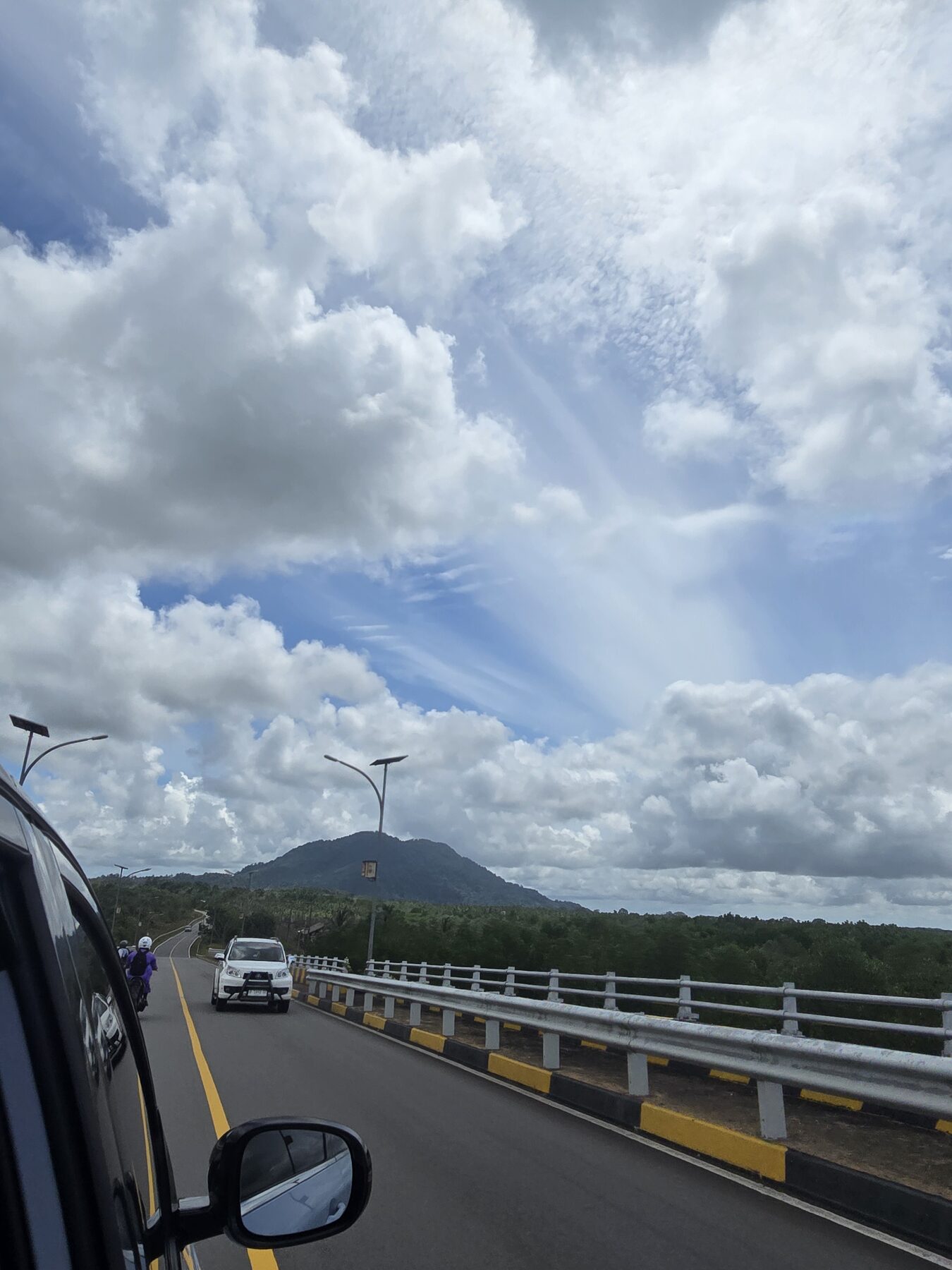
A day tour with a private driver is one way to combine stops spread across the island. Choose based on the itinerary and included services, rather than the starting price alone. A driver is not necessarily a guide who provides explanations at every stop.
Things to do on Bintan
During our three-night stay, we combined two types of excursions.
Island tour
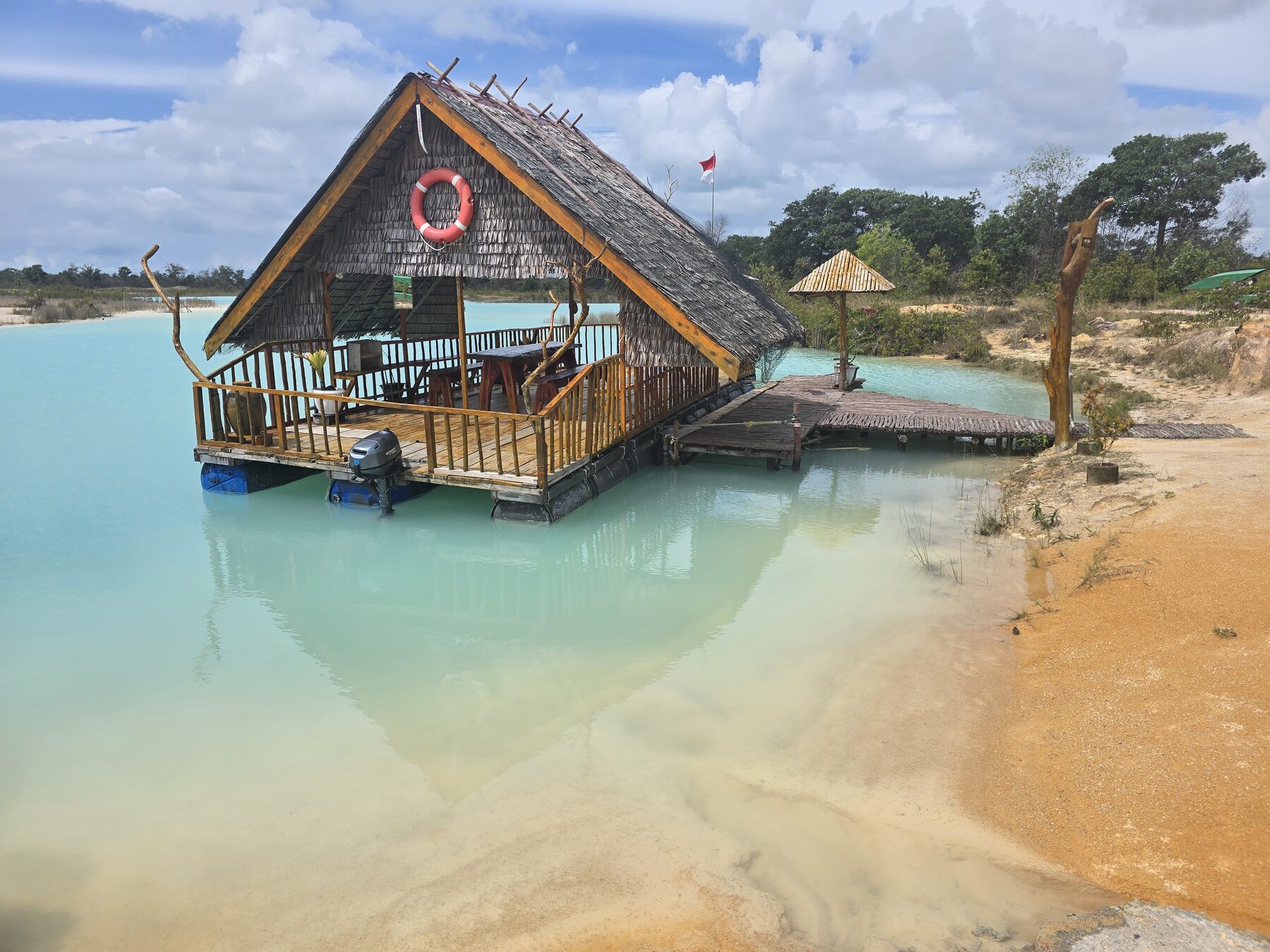
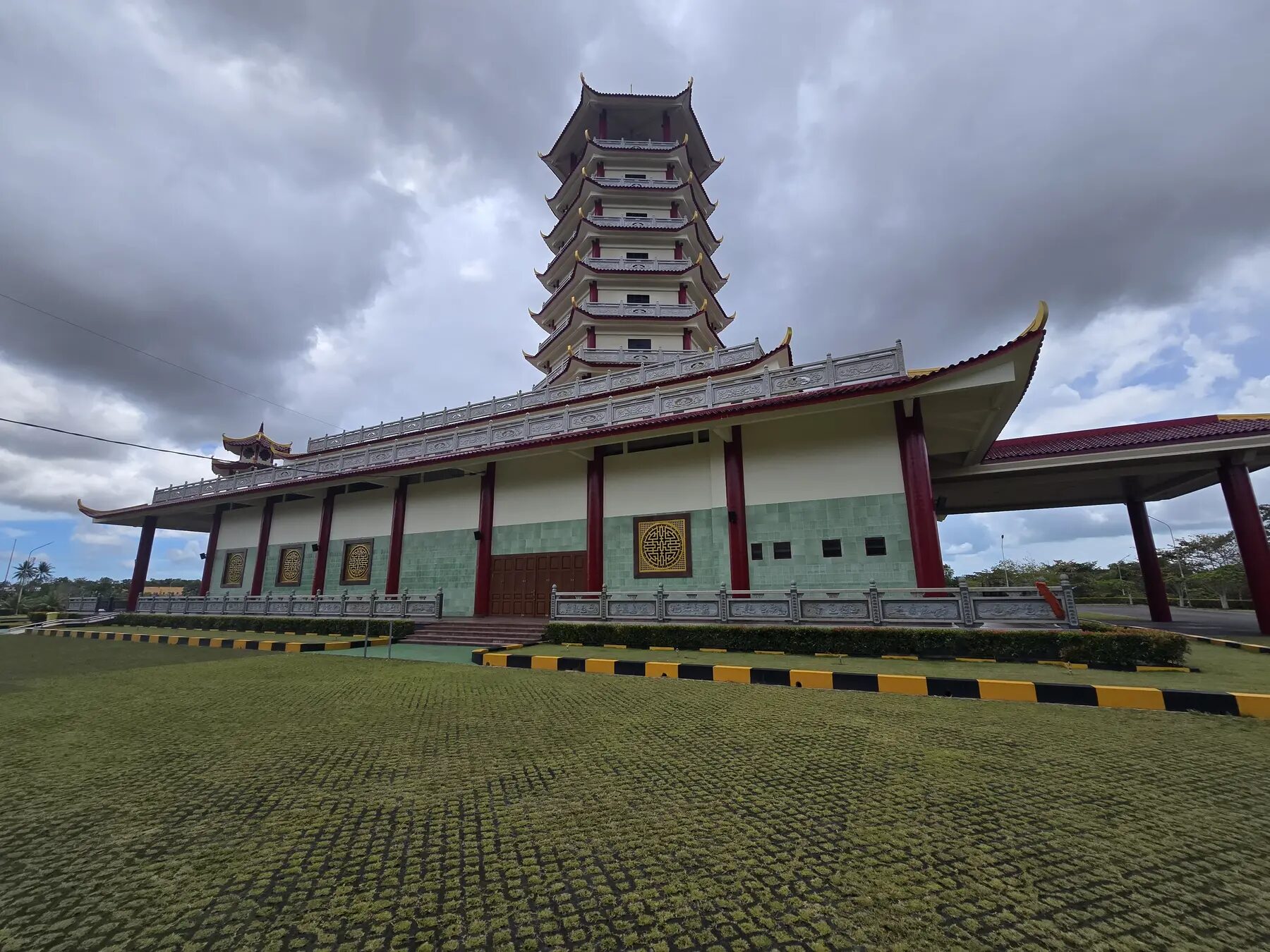
With our driver, we visited Gurun Pasir and Blue Lake, Vihara Avalokitesvara Graha, and the 500 Lohan Temple. Along the way, we saw villages, coastal areas, and glimpses of everyday life on Bintan.
Mangrove tour
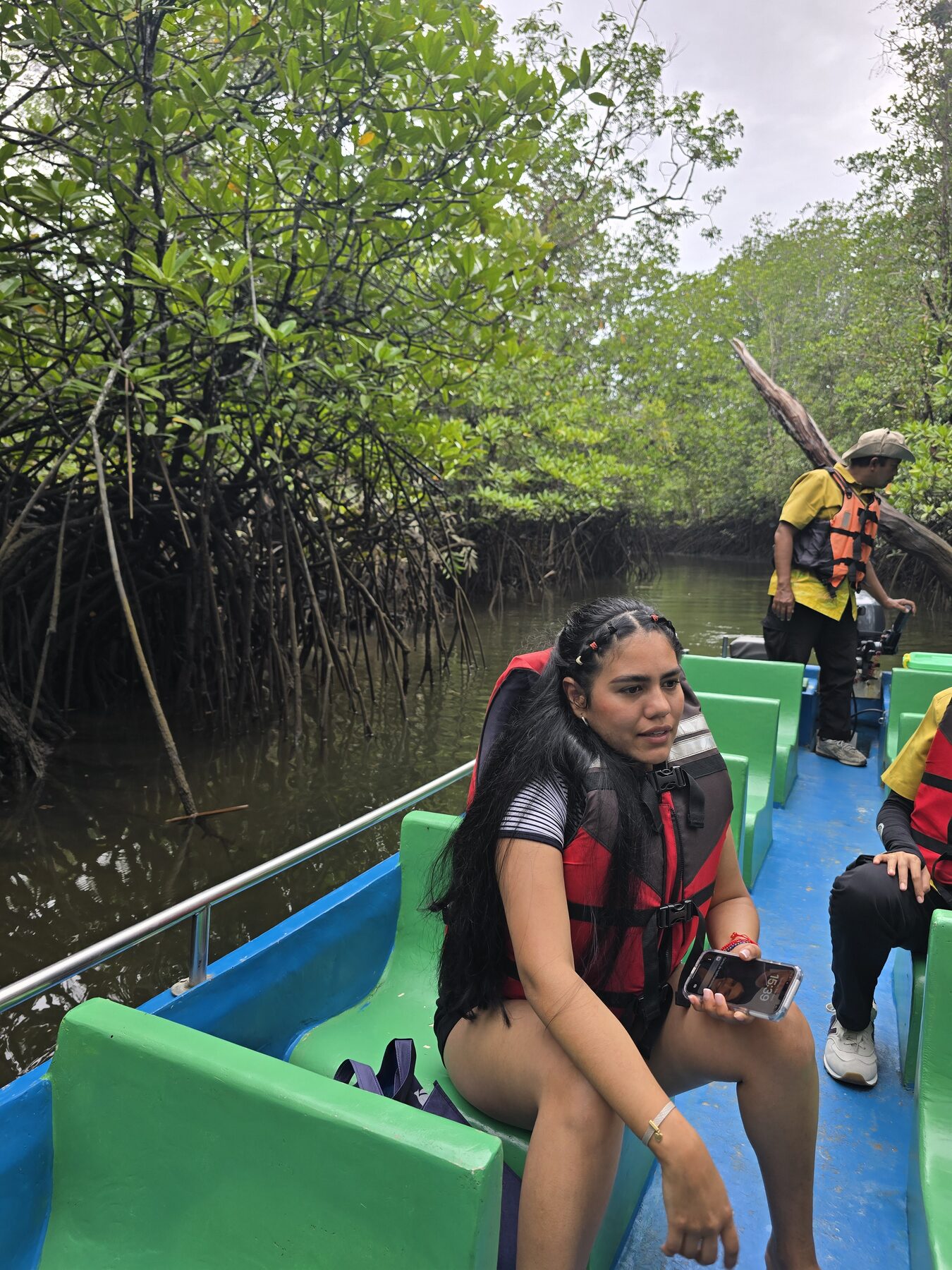
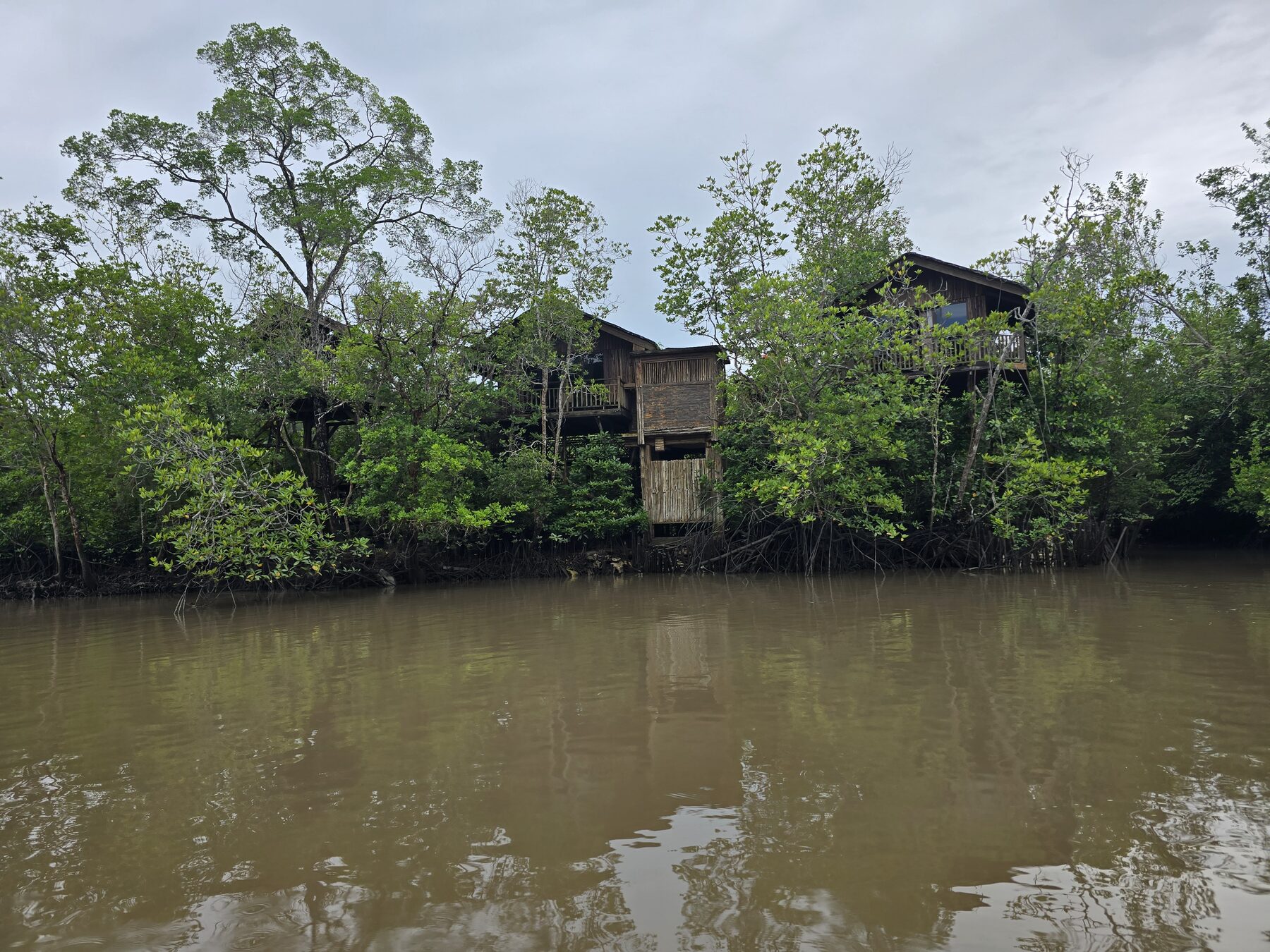
The mangrove boat trip revealed a completely different side of Bintan. We traveled through dense vegetation and saw how important water and nature are to the island. Wildlife sightings are never guaranteed, but snakes are among the animals you may spot in the mangroves. We saw monkeys along the road, and geckos and other small animals around our accommodation.
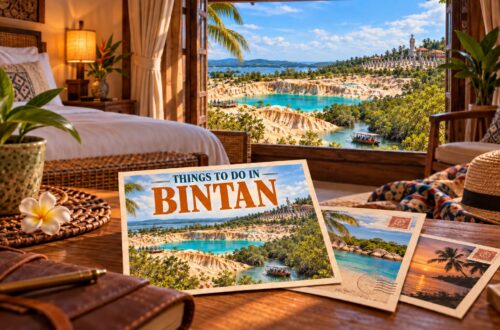
Things to do on Bintan: Blue Lake, temples, and mangroves
Beaches and seawater: what to expect
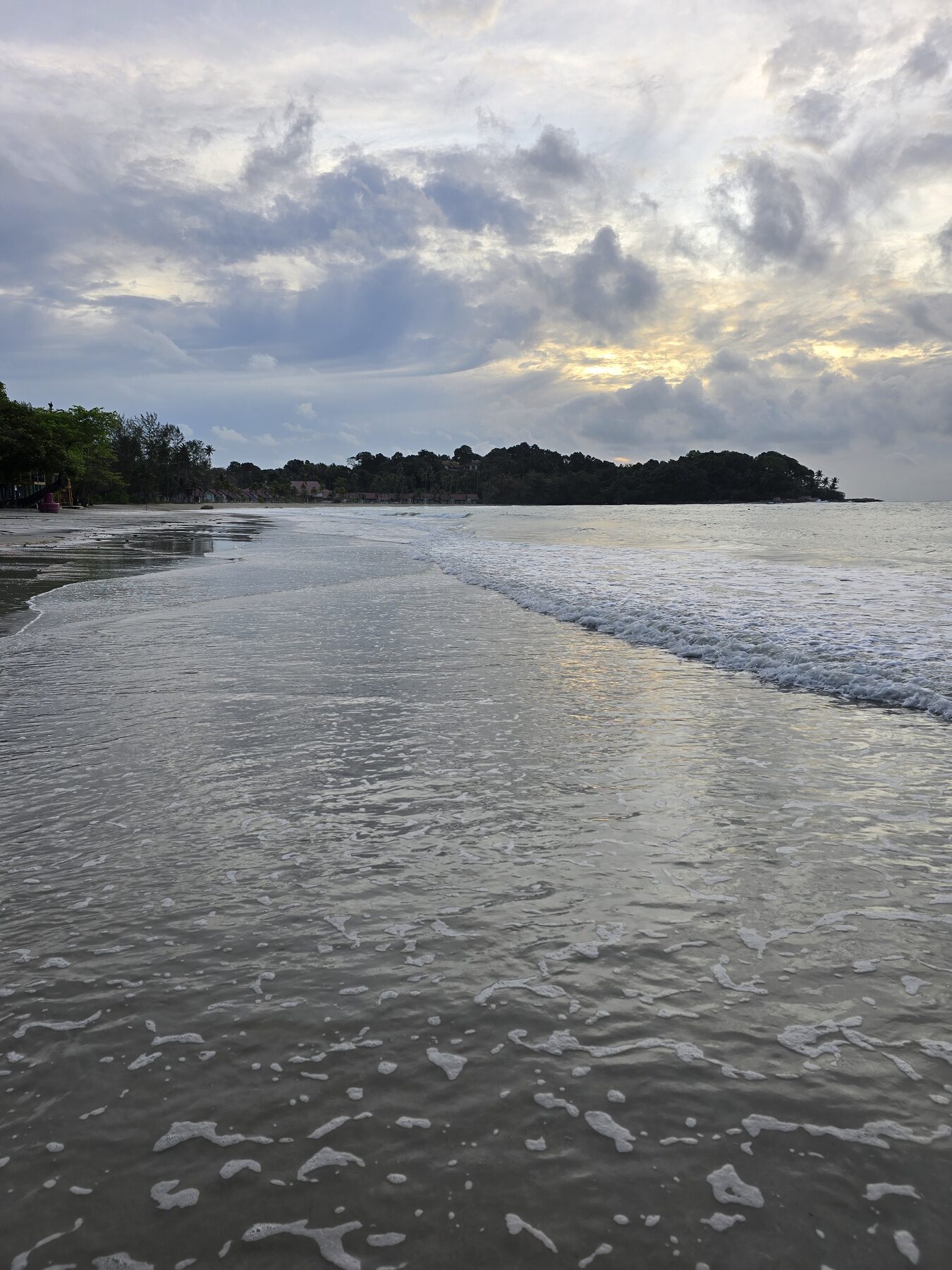
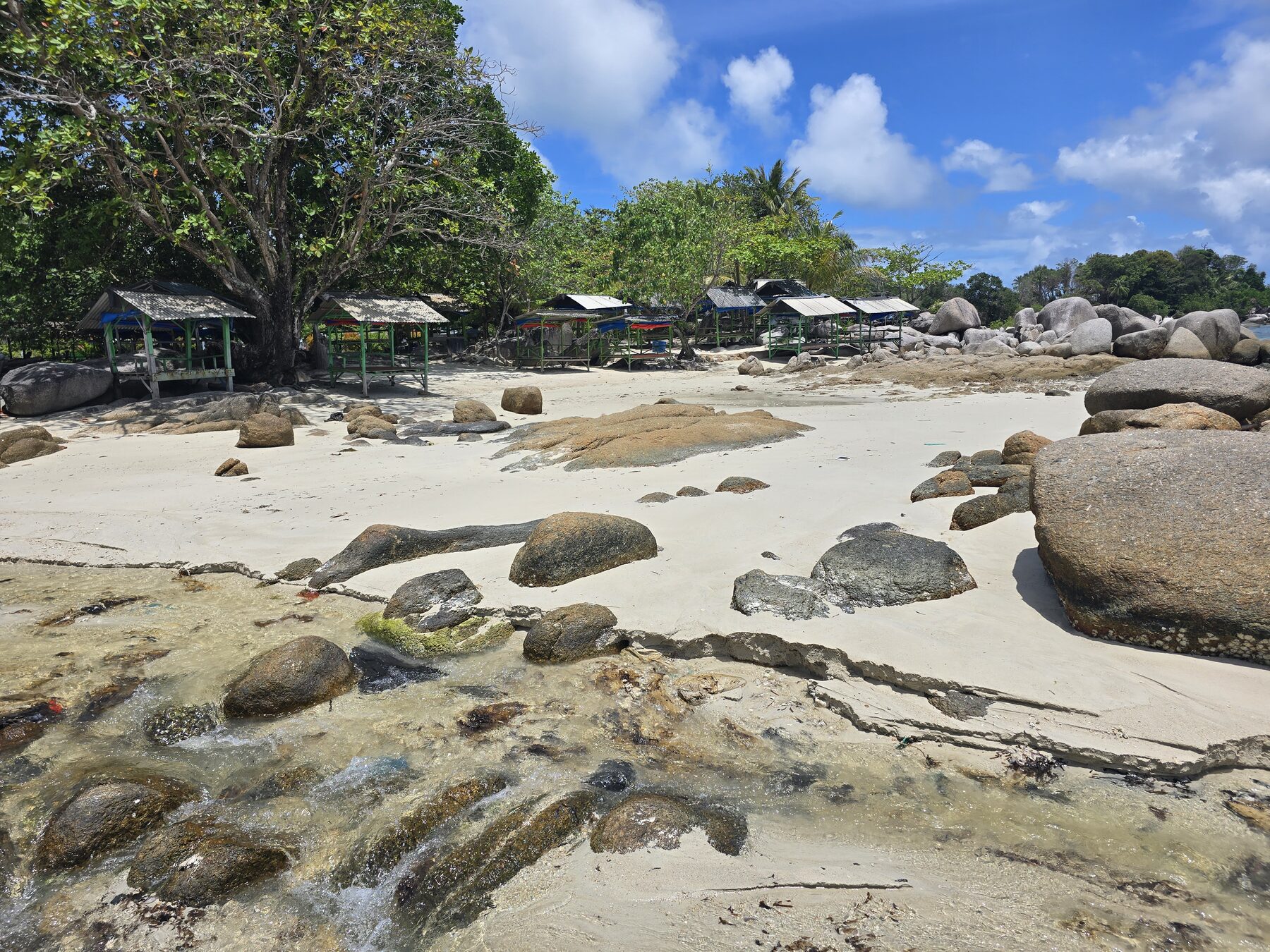
Bintan has beautiful, peaceful beaches, but do not automatically expect the clear blue water of the Caribbean. The island lies by the Singapore Strait, and conditions vary with the coast, season, tides, and weather.
Litter can wash ashore in some places. That is disappointing and deserves an honest mention. It does not take away all the beauty, though. The beaches have large rocks, trees, and a natural feel. Above all, it was the peace and quiet that made the coast appealing to us.
If perfect turquoise water is your only priority, research the specific location and season carefully. If you want to combine the beach with nature, culture, and a short trip from Singapore, Bintan offers plenty of variety.
Nature and wildlife
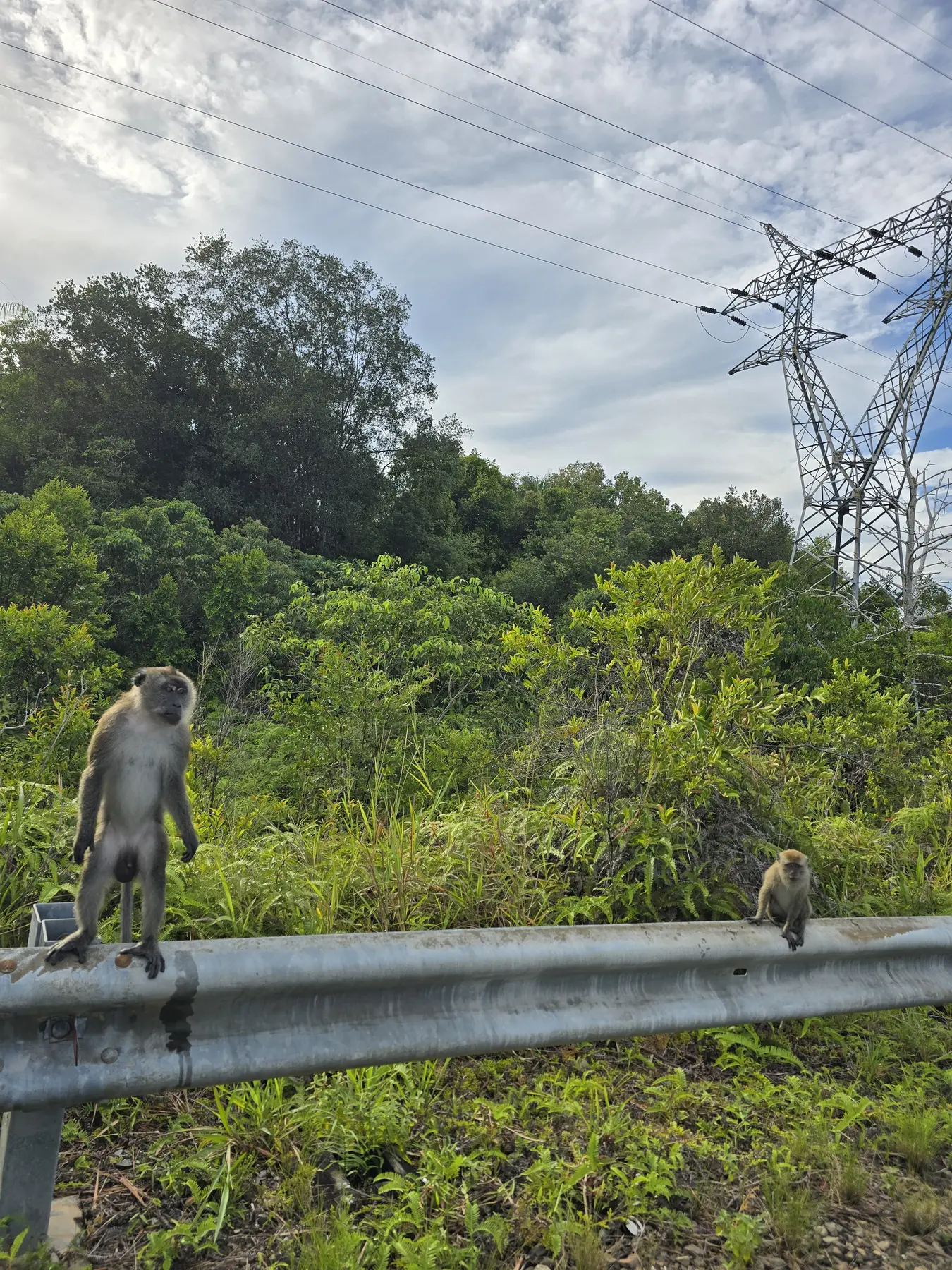
Nature feels close on Bintan. We saw curious monkeys sitting by the road, geckos and other small animals around our accommodation, and dense mangroves during our boat trip.
It is wonderful to see, but it also calls for care:
- do not feed monkeys or other wild animals;
- keep your distance, even when taking photos;
- never touch snakes or other animals;
- take your litter with you;
- bring insect repellent;
- follow your guide’s instructions in the mangroves.
Culture, temples, and fishing communities
Bintan has a culturally diverse history. Its position along old trading routes brought different communities and religions together. You can see that heritage in its Buddhist temples, mosques, Chinese influences, and fishing villages.
We visited Vihara Avalokitesvara Graha and Vihara Ksitigarbha Bodhisattva, better known as the 500 Lohan Temple. The many statues and peaceful temple grounds made a particular impression on us.
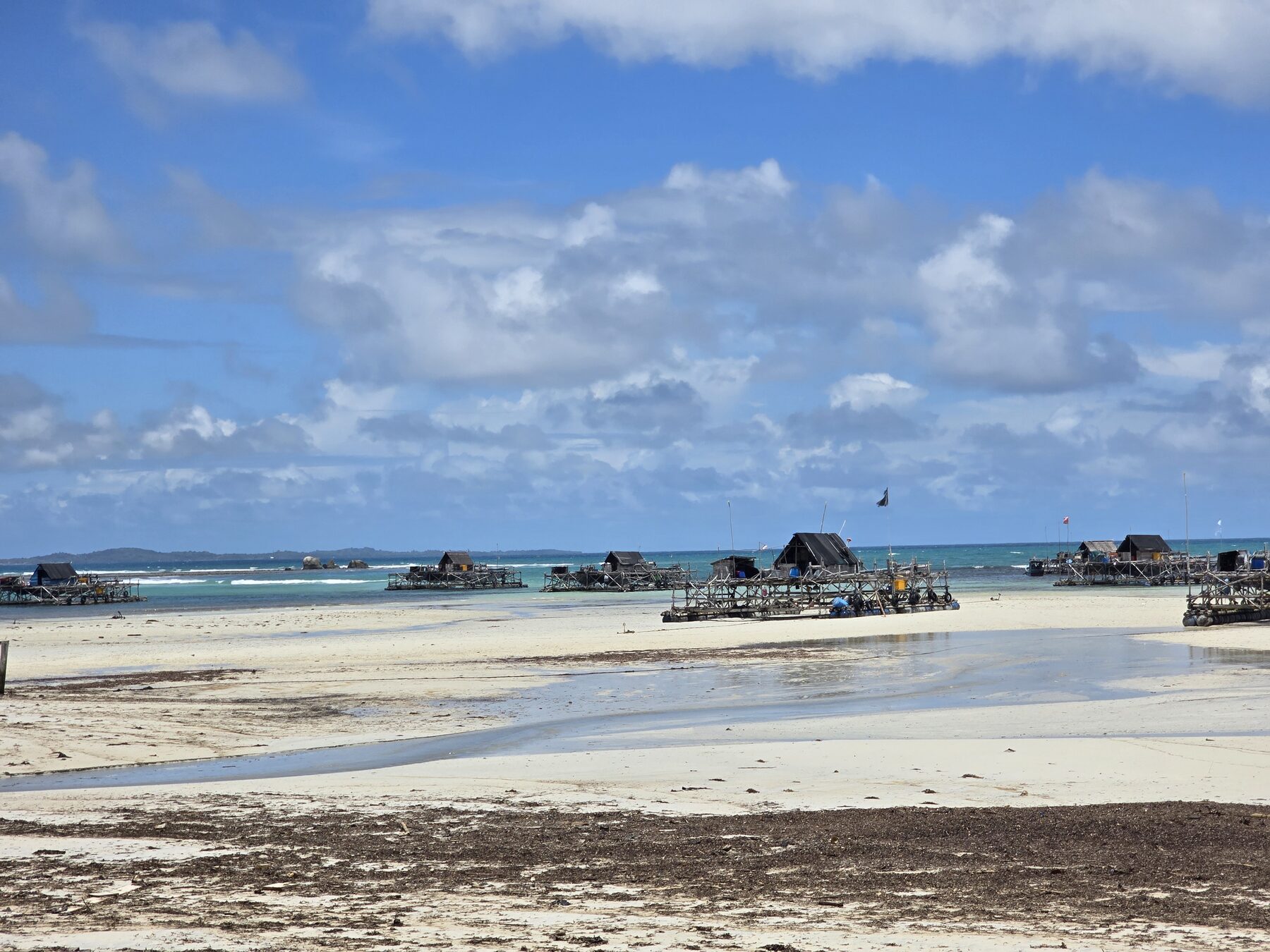
Along the coast, we saw wooden structures and buildings on stilts above the water. Kelongs are found in this region: traditional fishing platforms used for fishing or fish farming. Not every building over the water is a kelong, however; it may also be a home, restaurant, or tourist platform.
The visible impact of the pandemic
One of the most moving parts of our trip was hearing our guide describe the pandemic years. Bintan’s economy is closely tied to tourism from Singapore and to fishing. When borders closed and international travel almost stopped, visitor numbers dropped suddenly.
Along the mangroves, we saw resorts and buildings that had been abandoned and fallen into disrepair. They brought home how severely a global lockdown can affect an island community. It did not leave us with a gloomy view of Bintan; what stayed with us was people’s resilience and the way everyday life had resumed.
The abandoned buildings were something we observed during our trip, and the explanation about the pandemic came from our guide. The condition of individual buildings may have changed since then.
Costs and payments
Costs vary considerably between the resort area and other parts of the island. Plan a budget that includes:
- ferry tickets and any surcharges;
- visa fees;
- transfers to and from the port;
- accommodation;
- Food and drinks;
- a driver or island tour;
- A mangrove tour;
- admission fees or donations;
- travel insurance and mobile data.
Prices checked on September 27, 2026. SGD means Singapore dollars; IDR means Indonesian rupiah. These published rates and examples can help you budget, but travel dates, package choices, and pickup points may affect the final cost.
- BRF Economy round trip: SGD 100 per adult on regular dates, SGD 110 on peak dates, or SGD 105 for a mix of the two. The stated levies are included.
- Seven-day Riau visa on arrival: IDR 250,000 plus a bank fee of IDR 3,000 per person, if you qualify for this scheme. The standard visa for a stay of up to 30 days costs IDR 500,000.
- Mangrove Discovery Tour through Bintan Resorts: IDR 380,000 per adult, with a minimum charge for two adults. Round-trip transportation applies within the Bintan Resorts area; a meal costs extra.
- Bintan Highlights with Bintan Prestige: from IDR 800,000 per car for 1–4 guests, including a driver, fuel, and water. The route includes Blue Lake and Gurun Pasir, among other stops. Confirm admission fees, meals, and paid activities separately.
You buy the seven-day visa on arrival at BBT and, according to the local visa information, pay in cash in Indonesian rupiah. This visa restricts entry and departure to designated ports in the Riau Islands. Check beforehand that your passport and onward itinerary meet the requirements. Hotel and meal budgets depend heavily on your choice of accommodation and restaurants.
Bring a payment card and some Indonesian rupiah. Ask smaller establishments which payment methods they accept. Shortly before departure, check current ferry, accommodation, transportation, and excursion prices.
For a private tour, ask whether the price is per car or per person. Agree on whether admission, parking, waiting time, and lunch are included. A low resort room rate may be less attractive once you add breakfast and transportation separately.
Food and drink
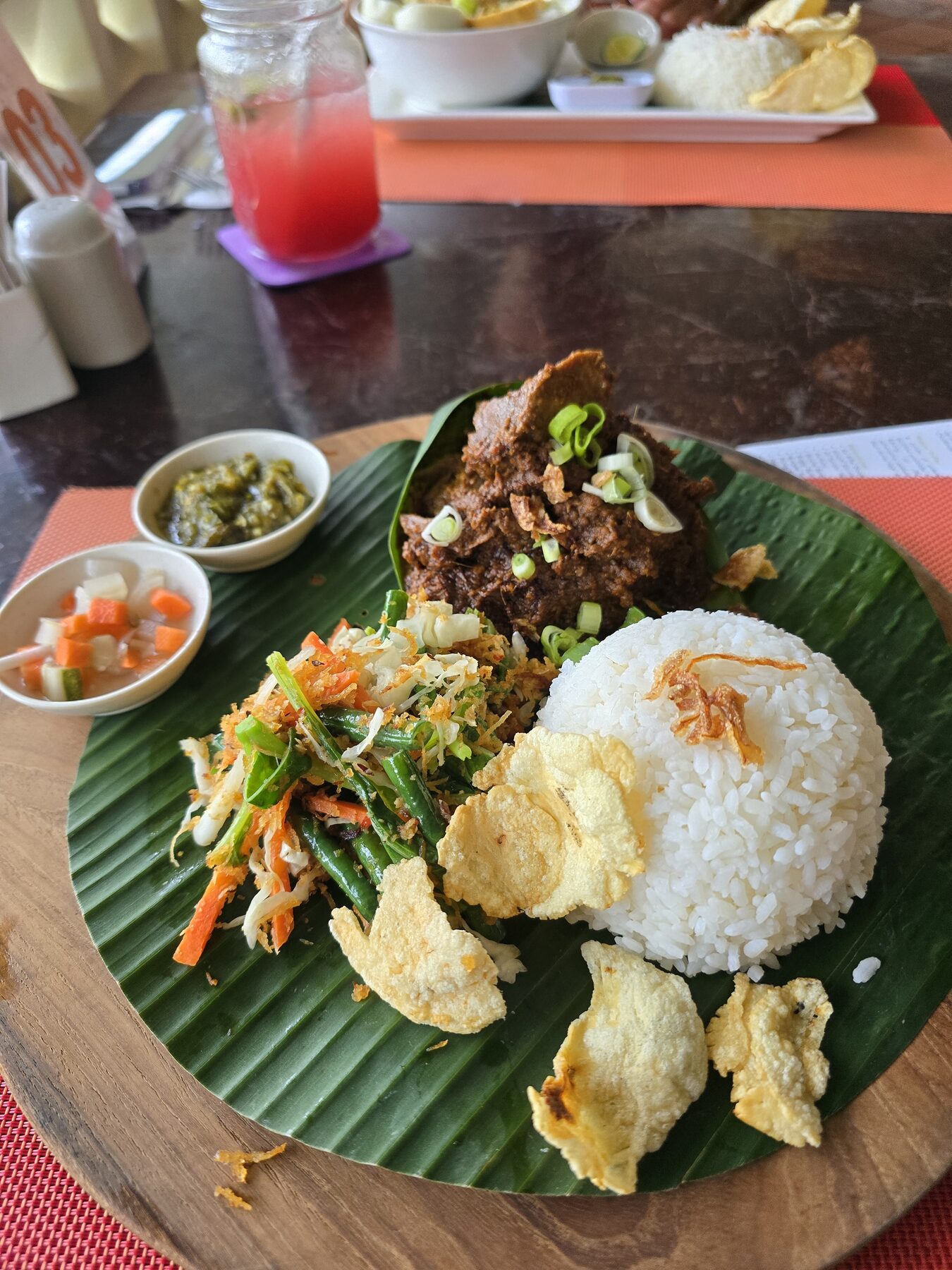
Eating at the resort is convenient on a quiet day; on an island tour, you can arrange a lunch stop. Discuss dietary needs and allergies with the operator and restaurant beforehand. Let your guide suggest a suitable place, but check the menu and prices before ordering.
Safety and health
We felt welcome on Bintan and had no practical problems. Our experience is no substitute for checking current information before you travel. Use transportation you have arranged, keep an eye on your belongings, and follow local weather advice and instructions for beach and boat activities.
- Keep your distance from monkeys and snakes; do not feed or touch wild animals.
- Carry water and take breaks in the shade.
- Wear shoes with good grip on wet piers and paths.
- Ask your accommodation where and when it is safe to swim.
- Discuss personal health questions and vaccinations with a travel health professional.
Before leaving, check the current Dutch government travel advice and your own government’s guidance. Make sure your insurance covers Indonesia and your planned activities.
Accessibility and traveling with children
A beachfront hotel is not necessarily step-free throughout. Ask for specific details about the route between your room, the restaurant, and the beach, and about the vehicle used for transfers. For a mangrove tour, boarding and leaving the boat at the pier are particularly important. Tell the operator about mobility aids or limited mobility before booking.
With children, a shorter tour with breaks is often more enjoyable than a long list of stops. Ask boat operators about correctly sized life jackets and transportation providers about suitable child seats. Confirm these arrangements in advance instead of assuming they are supplied as standard.
Best time to visit and crowds
Bintan is warm and humid year-round. The local weather service, BMKG Tanjungpinang, describes the northeast monsoon as running roughly from late November to early March, with periods of stronger wind and rain. This can make a difference to beach plans and boat trips in particular.
Do not choose your dates based only on a broad label such as dry season. Showers also occur outside the monsoon, and a sunny morning does not guarantee a dry afternoon. Leave room to reschedule an outdoor activity, and avoid tight connections immediately after a boat trip.
Singapore’s weekends, public holidays, and school vacations can affect how busy Bintan gets. Our visit was remarkably quiet, but that does not guarantee the same on your dates. If you want peace, compare weekday stays too; for a livelier atmosphere, ask the resort what is planned during your visit.
How many days do you need?
- One day: only enough for a very brief introduction;
- Two nights: beach time plus one excursion;
- Three nights: our preferred option for an island tour, a mangrove trip, and relaxation;
- Four or five nights: suitable for extra beach time or another local itinerary.
For a first visit, three nights felt just right to us.
Visa and arrival card
As Dutch passport holders, we needed a passport valid for at least six months on arrival. An appropriate Indonesian visa and the free All Indonesia Arrival Card are separate requirements to check. Visa rules can differ by nationality, so confirm the conditions for your own passport.
If you are returning to Singapore, also read our guide to the return journey and SG Arrival Card.
Internet and staying connected
An eSIM for Indonesia lets you arrange mobile data without swapping a physical SIM card. Check device compatibility, the network, validity period, and data allowance. For Singapore and Bintan, a regional plan may be more convenient than two separate packages.
Save your accommodation’s and driver’s phone numbers, ferry ticket, and address offline. You cannot always count on a stable connection at sea or in remote parts of the island.
Who is Bintan best for?
Bintan works well for couples, families, and travelers who want a peaceful contrast to Singapore. Nature lovers and travelers interested in culture will also find plenty beyond the resort area.
It is less suitable if your priorities are nightlife, extensive public transportation, or guaranteed crystal-clear seawater. If you only have a few hours, distances and border formalities will also limit how much you can see.
Our overall impression
What surprised us most about Bintan was its mix of peace, hospitality, and variety. It is easy to reach from Singapore, yet unmistakably feels like Indonesia. Temples, mangroves, wildlife, and local life made the stay much more interesting than simply spending a few days on the beach.
It is not perfect. Litter can wash ashore, the water is not bright blue everywhere, and the effects of the pandemic are still visible in some places. For us, that fuller picture is part of what made Bintan memorable.
We would stay three nights again and book another driver and guide. Our main advice is simple: do not spend the whole trip inside your resort. You really get to know Bintan when you explore beyond the tourist zone.
Combining Singapore and Bintan
Things to do on Bintan
Singapore to Bintan by ferry
Discover more from DutchieWorldTravel
Subscribe to get the latest posts sent to your email.




2 Comments
Pingback:
Pingback: