
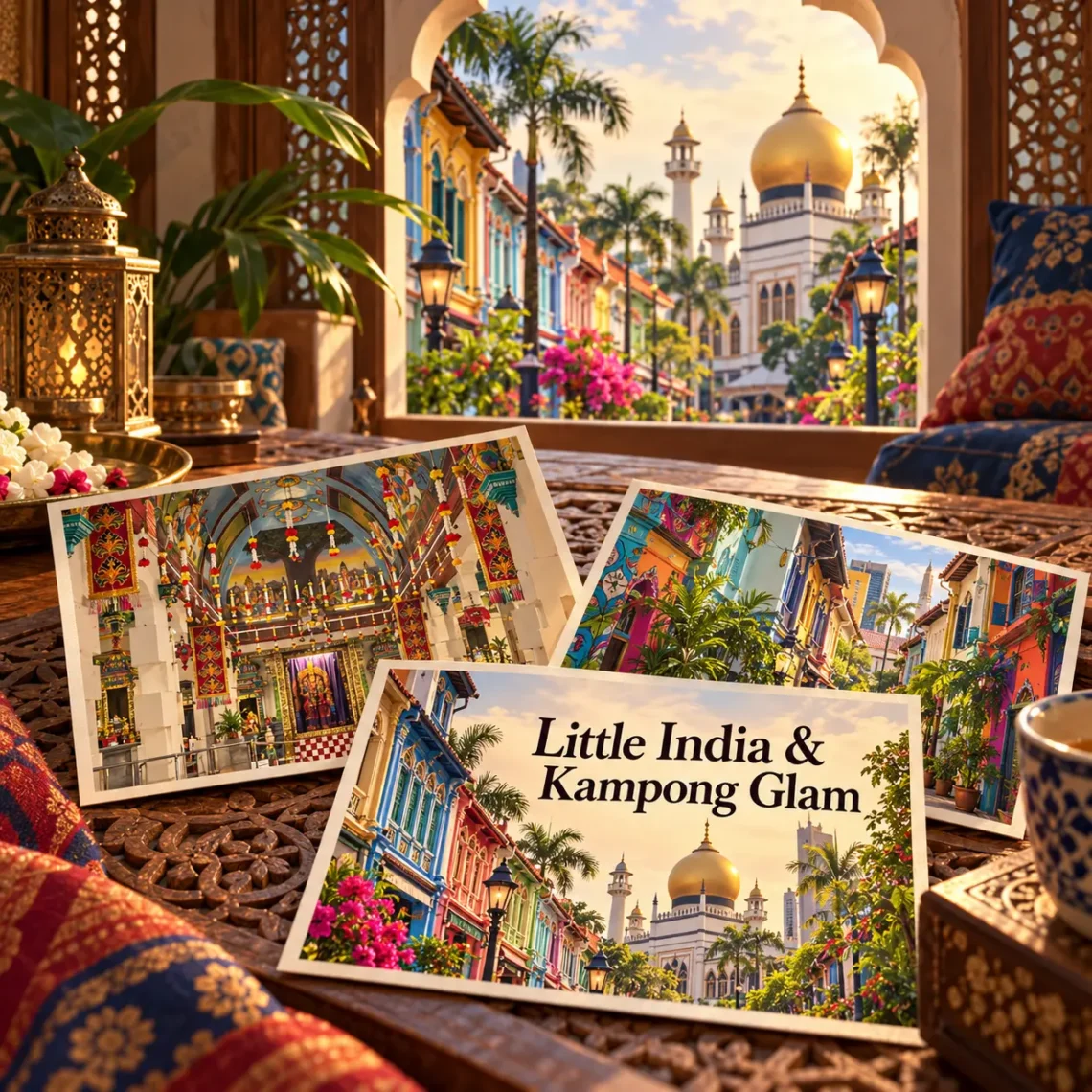
Little India and Kampong Glam: Walking Route and Tips
Little India and Kampong Glam are among Singapore’s most colorful neighborhoods. Close together yet distinct in history, places of worship, shops and food, they make a varied day out.
In Little India, expect temples, flower garlands, spices and busy streets. Kampong Glam feels more open and reflects Singapore’s Malay and Islamic heritage. Around Sultan Mosque are textile shops, restaurants, street art and Haji Lane.
Quick tip: visit Little India in the morning, have lunch there, then walk or take public transportation to Kampong Glam. Finish near Sultan Mosque and Bussorah Street around sunset.
Contents
- Can you visit both neighborhoods in a day?
- Things to do in Little India
- Things to do in Kampong Glam
- A one-day itinerary
- Where to eat
- Visiting temples and mosques respectfully
- Understanding the neighborhoods
- Two half days instead?
- Practical tips
- Safety, accessibility and photography
- Daytime and evening visits
- Shopping beyond tourist souvenirs
- Frequently asked questions
Can you visit both neighborhoods in a day?
Yes. Their central areas are close together. MRT and buses provide quick connections, or you can walk. Allow about three hours per neighborhood to visit temples or museums, enjoy a meal and take photographs.
Half a day covers mainly the principal streets; a full day allows side streets, markets and visits inside religious buildings. Check opening hours shortly beforehand: prayers, ceremonies and holidays can affect access.
Things to do in Little India
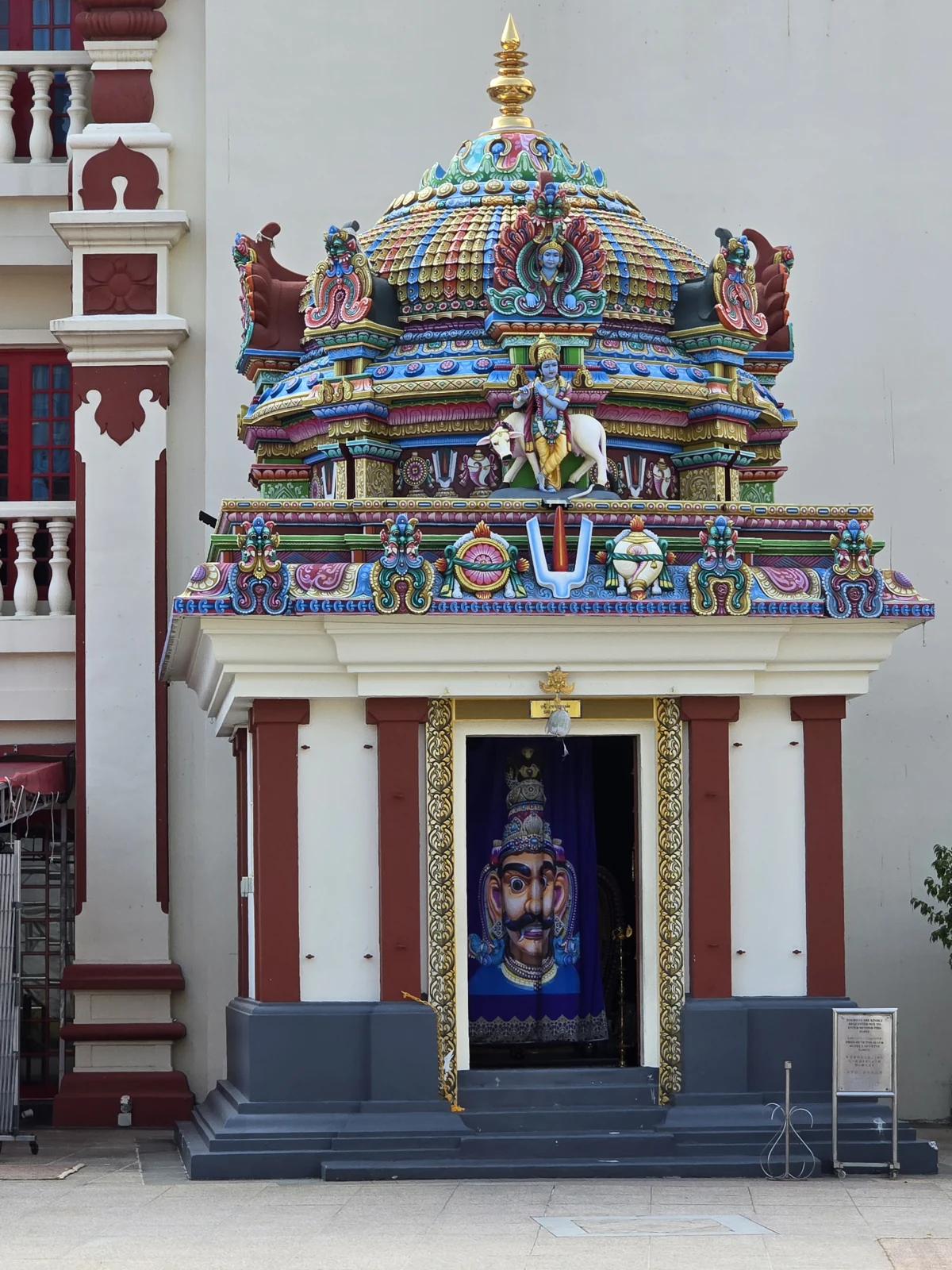
Sri Veeramakaliamman Temple
This Hindu temple on Serangoon Road stands out for its richly decorated entrance tower. Admire it from across the street first. Enter when visitors are welcome, remove your shoes, dress modestly and follow local instructions. During rituals, giving worshippers space matters more than getting a perfect photo.
Tekka Centre
Tekka Centre combines a fresh market, shops and a hawker centre. It’s a good breakfast or lunch stop and shows everyday neighborhood life beyond colorful facades. Browse the stalls before choosing freshly prepared food.
Tan Teng Niah and the side streets
Tan Teng Niah’s colorful house is a popular but small photo stop. Combine it with Kerbau Road, Buffalo Road and the streets around Serangoon Road, rather than making a separate detour for one photograph.
Sri Srinivasa Perumal Temple
Farther north on Serangoon Road is another important Hindu temple. Many visitors stay near Little India MRT, so this area can feel less rushed. Include it if you follow the longer route toward Farrer Park.
Mustafa Centre
Mustafa Centre is worth considering for shopping or exploring a large department store with an enormous selection. It isn’t essential for everyone. On a short trip, prioritize the streets, temples and a meal.
Things to do in Kampong Glam
Sultan Mosque
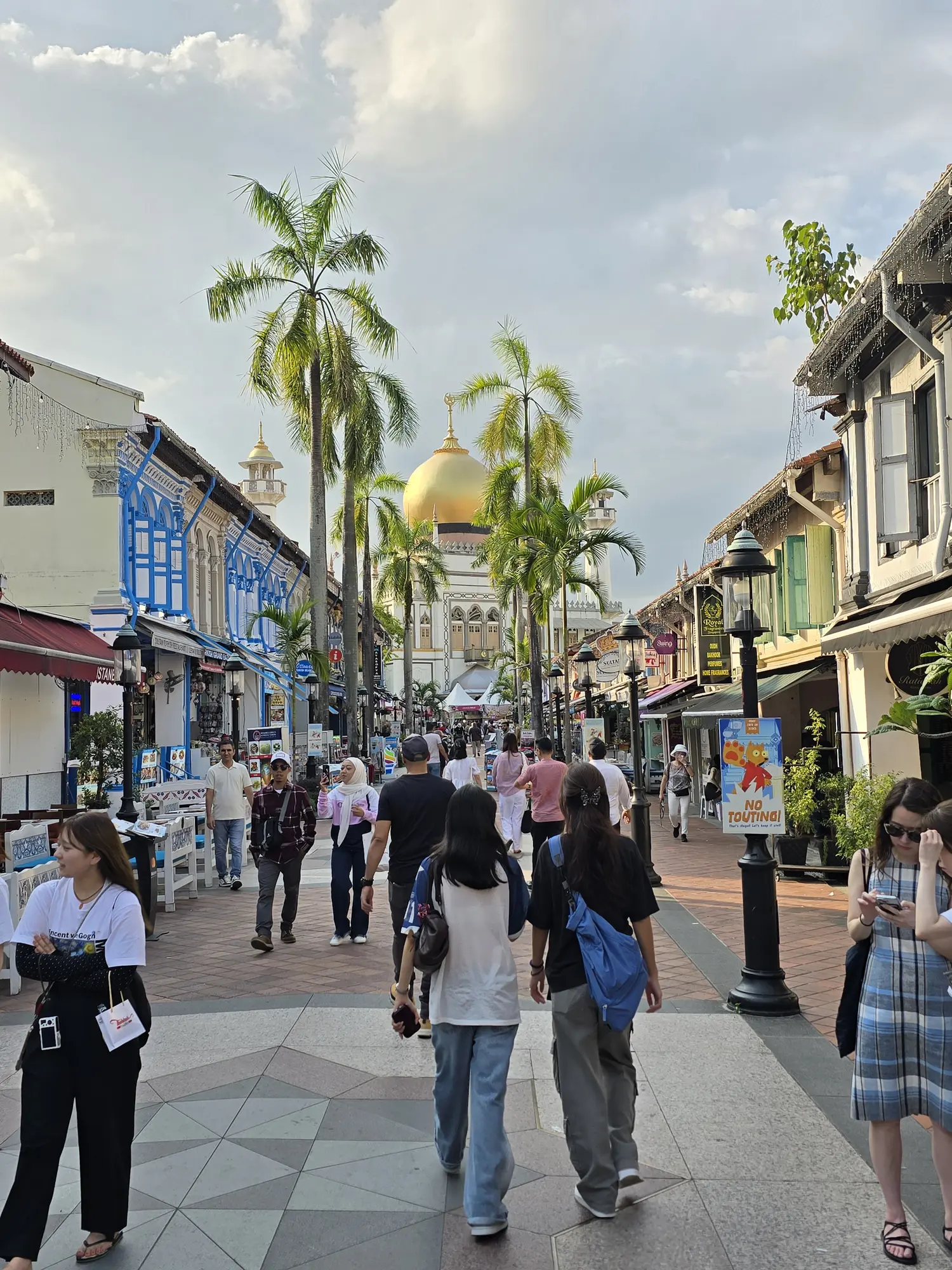
Sultan Mosque’s golden dome is Kampong Glam’s landmark. Bussorah Street provides the classic view. Visitors can enter at certain times, although prayers and religious occasions may restrict access. Cover shoulders and knees and follow the visitor route.
Bussorah Street and Arab Street
Bussorah Street leads toward the mosque past outdoor dining and restored shophouses. Arab Street is known for fabrics, carpets and small shops. Explore at your own pace, looking up at facades and upper floors as well as shop windows.
Haji Lane
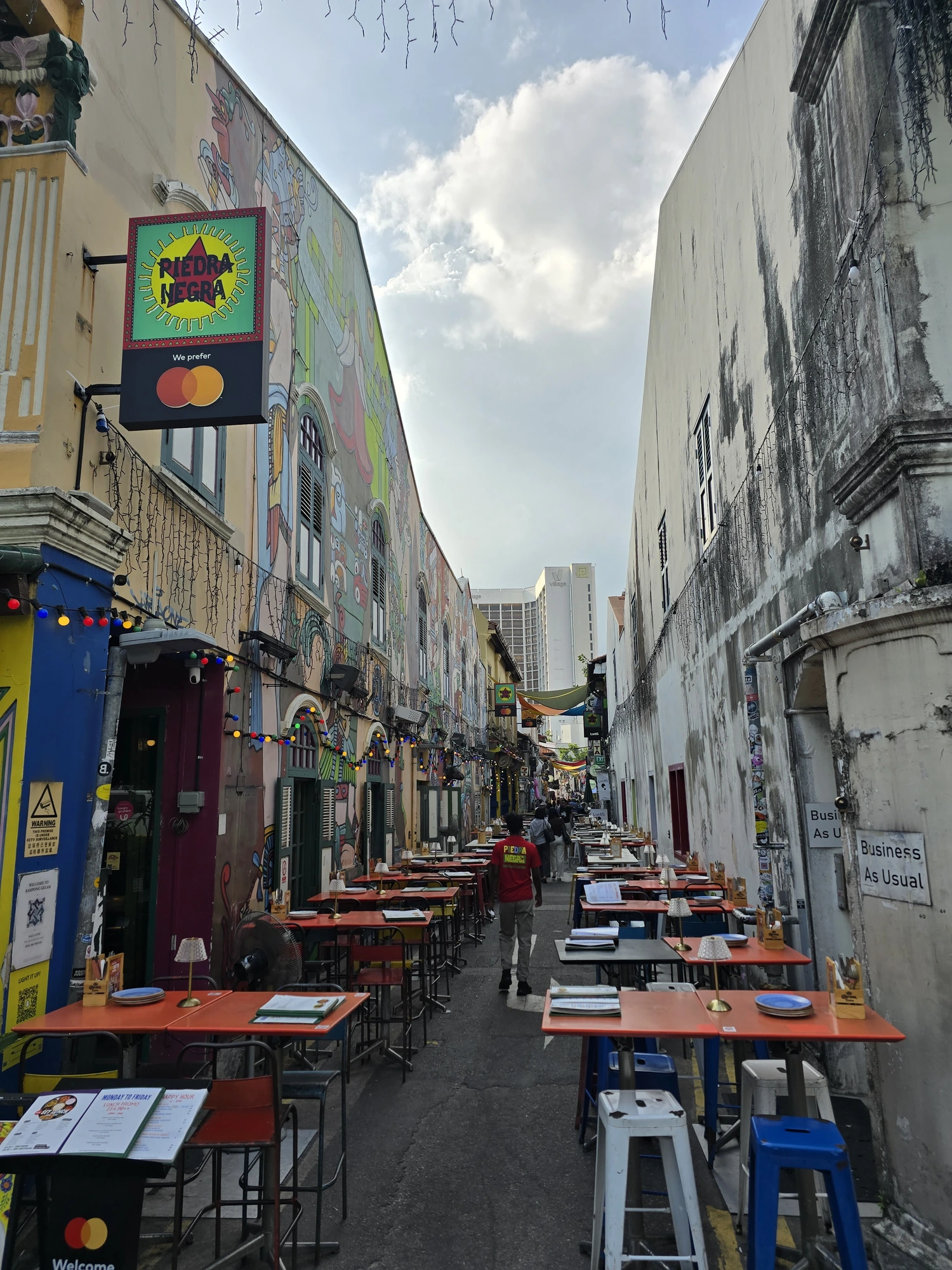
Narrow, colorful Haji Lane is popular for street art, cafes and independent shops. Mornings are quieter, with some businesses still closed; afternoons are livelier and busier. Come early for photographs or later for shopping and cafes.
Malay Heritage Centre and surroundings
Historic Istana Kampong Gelam is central to the neighborhood’s story. Malay Heritage Centre reopened on April 25, 2026 after renovations, after our March 2025 visit. It adds context about Singapore’s Malay heritage. Read the official reopening announcement and check current hours and admission before visiting.
A one-day itinerary
- Start at Little India MRT and walk to Tekka Centre.
- Follow Kerbau Road to Tan Teng Niah’s house.
- Continue toward Serangoon Road and visit a temple if accessible.
- Have lunch in Little India.
- Take the MRT or bus toward Bugis/Kampong Glam, or walk if the heat allows.
- Begin Kampong Glam at Arab Street and Bussorah Street.
- See Sultan Mosque and explore the neighborhood’s history.
- Finish at Haji Lane and choose a restaurant in Kampong Glam.
In hot or rainy weather, divide the walk into two sections with a longer lunch break. Singapore is compact, but walking in high humidity takes more energy than the same distance in a cooler climate.
Where to eat
Little India is a natural choice for South Indian dishes, biryani, dosa, curry and sweet snacks. Tekka Centre offers plenty of options. Look for stalls popular with locals and ask about spice levels. Eating with your hand is customary for some dishes, but utensils are usually available.
Kampong Glam has Malay, Indonesian, Middle Eastern and contemporary restaurants. Try nasi padang, murtabak or rice with assorted side dishes. The busiest tourist streets aren’t always cheapest; walk a little farther for more local options.
Visiting temples and mosques respectfully
- Cover shoulders and knees; loan clothing may be available.
- Remove shoes wherever requested.
- Ask permission before photographing people praying or performing rituals.
- Do not walk in front of worshippers during prayer.
- Do not touch religious objects.
- Accept temporary restrictions on tourist access.
These buildings are active places of worship. A quiet visit and attention to local instructions make the experience more meaningful.
Understanding the neighborhoods
Little India and Kampong Glam are living neighborhoods shaped by colonial Singapore and the communities who lived and worked there. Their boundaries are less rigid than maps suggest: people, businesses and religions connect across the city.
Little India reflects South Asian influences in temples, food, textiles and daily trade. Kampong Glam connects Malay royal history and Islamic communities with creative businesses and international dining. Reading a little background helps you see beyond the colorful facades.
Two half days instead?
For photography or several religious visits, two half days can be better than one long walk. Visit Little India early, perhaps returning for dinner. Start Kampong Glam in late afternoon for open shops and cafes and softer light on Sultan Mosque.
This also works with children or in intense heat, leaving time for an indoor activity or hotel break. It involves extra travel, so it works best with centrally located accommodation.
Practical tips
- Transportation: Little India, Jalan Besar, Bugis and Nicoll Highway MRT stations can all be useful, depending on your route.
- Timing: start early for cooler, quieter streets. Kampong Glam is livelier later.
- Clothing: carry a light scarf or layer for religious buildings.
- Holidays: Deepavali and Ramadan/Hari Raya change the atmosphere and crowds. Check hours and behave respectfully.
- Photography: ask before taking portraits and keep shops and entrances clear.
- Rain: use markets, museums, shops and lunch as flexible indoor stops.
Safety, accessibility and photography
Both areas generally feel safe, but watch your phone and wallet in busy markets and stations. Use marked crossings: traffic drives on the left and may approach from an unfamiliar direction.
Main routes are mostly paved, but narrow sidewalks, thresholds and busy entrances can complicate wheelchair or stroller access. Check accessible temple and mosque entrances. Street art is easy to photograph; ask permission when residents or shopkeepers are recognizable in your images.
For transportation, costs and a longer itinerary, read our Singapore travel guide. Balance this cultural day with modern architecture and evening shows on our Marina Bay and Gardens by the Bay route.
Daytime and evening visits
Daytime highlights include temples, markets, textile shops and architectural details. Morning is best for photographs without large groups. Tekka Centre and restaurants become busier around lunch, adding to Little India’s atmosphere.
Kampong Glam changes more noticeably later in the day. Bussorah Street and Haji Lane are quiet in the morning, with some shops and cafes closed. Afternoons bring more activity and evenings busier outdoor dining. Come early for street art and architecture, or stay after sunset for food and people-watching.
Shopping beyond tourist souvenirs
Browse spices, tea, textiles, jewelry and flower garlands in Little India; fabrics, perfumes, design shops and crafts in Kampong Glam. Compare quality and prices, and check your home country’s import rules for food and plant products.
Buy religious items only if you understand their meaning and can treat them respectfully. Cash can help in small shops, although digital payments are common. Carry a folding bag and shop near the end of your route to avoid carrying purchases all day.
Frequently asked questions
Which neighborhood should you choose with limited time?
Choose Little India for markets, Hindu temples and Indian food; Kampong Glam for Sultan Mosque, Malay and Islamic heritage, textile streets and Haji Lane.
Can you walk between them?
Yes, but account for heat and rain. MRT or bus connections save energy for exploring the neighborhoods.
Is Haji Lane worth visiting in the morning?
Yes for quieter photos. Afternoons generally work better for open shops and cafes.
Do you need tickets?
Neighborhood walks and many religious buildings are free. Museums, guided tours and exhibitions may charge admission.
Our advice: together, Little India and Kampong Glam offer a rewarding introduction to Singapore’s cultural diversity. Include history, a religious building and a meal in both neighborhoods alongside your photo stops.
Discover more from DutchieWorldTravel
Subscribe to get the latest posts sent to your email.


You May Also Like
Jewel Changi Airport: Sights, Skytrain and Practical Tips
Guayaquil Safety and Transportation: Practical Travel Tips