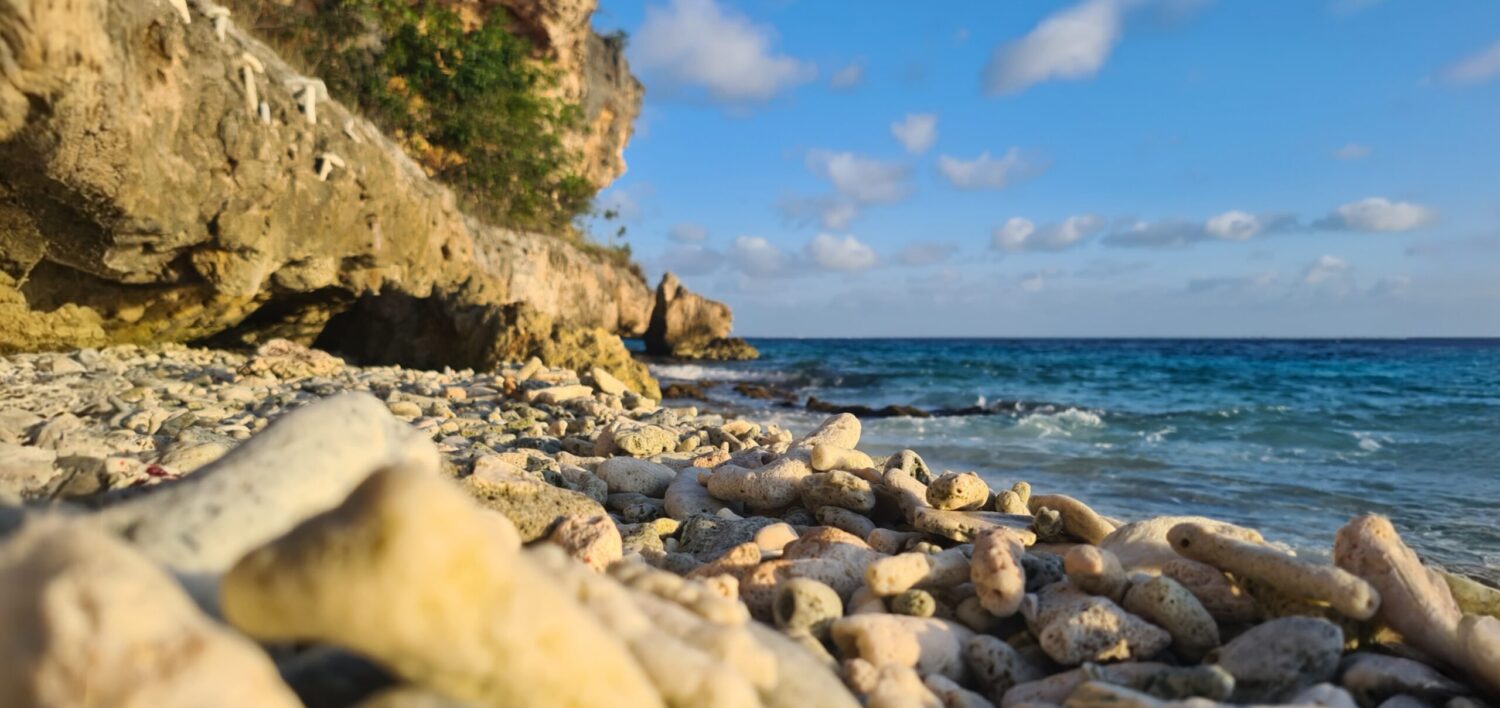


Snorkeling, Diving, and Wildlife in the Galápagos
The Galápagos Islands are among the world’s most remarkable places to encounter wildlife both above and below the water. One snorkeling trip may bring sea lions, sea turtles, rays, and schools of fish, but every outing is different. Wildlife cannot be scheduled, and currents, visibility, and temperature vary by island, season, and day.
This guide explains where to snorkel and dive, what conditions to expect, how to choose a responsible operator, and how to minimize your impact. Use it with our 7-, 10-, and 14-day Galápagos itineraries.
Some links in this article are affiliate links. If you book or buy through one, we may receive a commission at no extra cost to you. This helps support our website.
Snorkeling or diving: which suits you?
Snorkeling is the most accessible way to explore the underwater world. Many day trips combine a walk or boat ride with one or more swimming sessions. You still need suitable swimming ability and confidence in open water. A life jacket does not replace an honest assessment of current, fitness, and supervision. Ask how strong the current usually is and whether a guide, flotation device, and wetsuit are available.
Diving reaches deeper sites with larger marine animals and unusual rock formations. Conditions can be demanding because of current, cooler water, and changing visibility. Choose a recognized dive center, describe your recent experience honestly, and confirm the certification required. A discovery dive is very different from a remote, current-heavy dive site.
Choose a location based on conditions
The most famous name is not automatically the best site on your day. A sheltered bay with clear water can be far more rewarding for a beginner than a celebrated location with a strong current. Ask about swell, entry and exit, temperature, and the actual time spent in the water.
| Type of site | Often suits | Ask beforehand |
|---|---|---|
| Sheltered bay | Beginners and relaxed snorkeling | Is a guide or life jacket available? |
| Rocky coast | Wildlife and volcanic scenery | How difficult is entry and exit? |
| Open water | Experienced snorkelers and divers | How strong is the current? |
| Remote day tour | Travelers wanting a full excursion | How long are the boat ride and water sessions? |
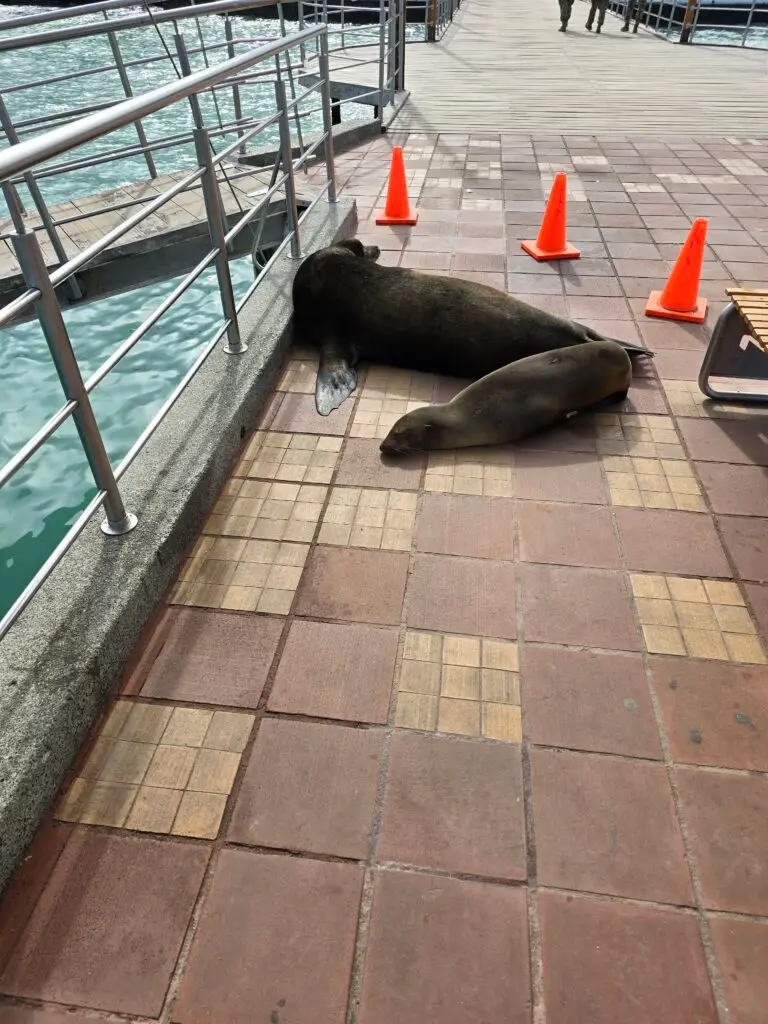
Snorkeling from Santa Cruz
Around Santa Cruz, you can combine independently accessible sites with organized boat trips. Las Grietas offers clear water between lava walls, though access rules and guiding can change. Tortuga Bay has distinct zones; follow warnings about currents and enter only where swimming is permitted. Day tours from Puerto Ayora reach other bays and islands.
Use our complete Santa Cruz guide to balance water activities with Tortuga Bay, Las Grietas, Puerto Ayora, and the highlands.
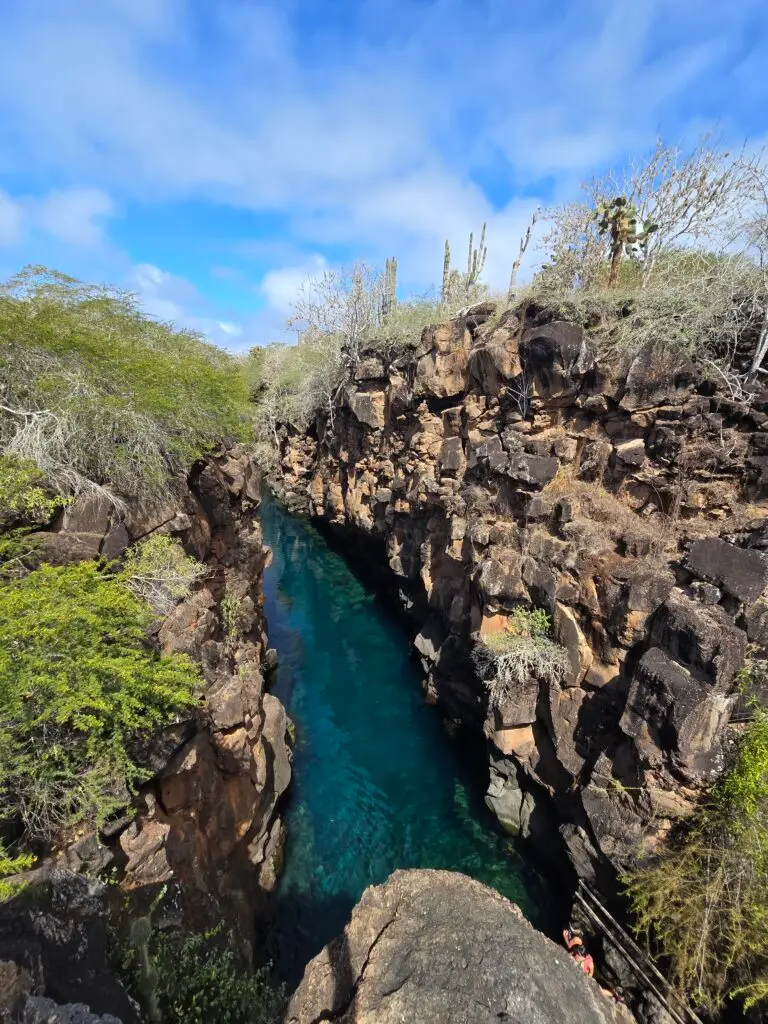
Snorkeling from Isabela
Los Túneles is known for lava formations and possible encounters with turtles, rays, and other marine life. Las Tintoreras lies closer to Puerto Villamil and can fit into half a day. Concha de Perla may be independently accessible, but visibility and current vary and valuables should never be left unattended.
Our Isabela guide helps combine one water day with Puerto Villamil, beaches, Sierra Negra, and quieter activities.
Snorkeling from San Cristóbal
San Cristóbal is known for sea lions around Puerto Baquerizo Moreno and several coastal sites. Sea lions may appear playful but remain wild. Give extra room to large males and animals with young, and always respect local closures.
Compare sites without expecting guaranteed wildlife
| Location or type | Preparation | Remember |
|---|---|---|
| Sheltered shore site | Check access, tide, and entry | Not every bay is calm at every tide |
| Guided Isabela tour | Confirm guide, wetsuit, mask, and route | Lava scenery and wildlife vary |
| Santa Cruz boat trip | Check the exact island or bay | Sailing time is not snorkeling time |
| Current-heavy dive site | Let the dive center assess certification and recent experience | Depth, current, emergency equipment, and group size determine suitability |
Choose conditions that match your ability first and scenery or possible wildlife second. A promise of sharks or penguins is never a reason to enter water beyond your level.
Which animals might you encounter?
- Sea lions and sea turtles
- Several species of rays and reef fish
- Marine iguanas, especially along rocky coasts
- Galápagos penguins, depending on island, location, and season
- Reef sharks and, at specialized dive sites, larger shark species
Treat the list as possibilities, never promises. Do not touch animals, chase them, or block their route between land and open water. The unpredictability is part of what makes Galápagos special.
Water temperature, visibility, and wetsuits
Broadly, water is often more comfortable during the warmer season, while the cooler season can bring colder, nutrient-rich conditions. Local currents create major differences. A wetsuit is often useful even when the air is warm. Ask which thickness is available and try it on before departure.
A well-fitting personal mask adds comfort. Also bring a rash guard, locally accepted reef-conscious sun protection, a towel, and motion-sickness medication only after medical advice. Never touch the bottom with fins or stand on rock, coral, or other marine life.
Equipment between islands
Rinse equipment where permitted, allow it to dry, and avoid carrying sand or organisms between islands. Confirm when rented fins and wetsuits must be returned, especially before an early speedboat.
How to choose a snorkeling or diving tour
Compare more than the final price. Ask for the exact route, group size, guide experience, safety equipment, wetsuit, meals, drinks, cancellation terms, and alternative in bad weather. For diving, also ask about equipment maintenance, emergency oxygen, communications, and divers per guide.
You can browse Ecuador activities on Klook. This is a general destination link, not a recommendation for a specific snorkeling or diving operator. Verify island, date, actual provider, equipment, group size, and safety arrangements.
Our snorkeling experience in July 2024
We did not dive in the Galápagos, but we snorkeled on our day excursion to Isabela. Between lava rocks, we saw whitetip reef sharks, sea lions, and Galápagos penguins. The sharks remained calm, and the setting felt unlike snorkeling over a traditional coral reef: volcanic rock defined much of the atmosphere.
We brought our own masks and fins. That was especially useful because I need a large fin size, which is not automatically available everywhere. A properly fitting mask also prevents leaking during a longer session. Even with personal equipment, ask whether the operator supplies a wetsuit or life jacket when conditions require one.
Our experience refers to snorkeling in July 2024. We cannot confirm the exact name of the Isabela site. The diving information in this guide is general preparation; a qualified dive center must advise on your certification, recent experience, and current conditions.
Choose the right island and town before reserving lodging. Then compare the total price and terms for the nights in your route. View Galápagos accommodations on Expedia.
Shore snorkeling or a boat tour?
Shore snorkeling is flexible and less expensive, but supervision may be limited and you must assess conditions. A boat tour reaches different ecosystems and provides guiding, while sailing time and seasickness become part of the day. Combine both only when your itinerary includes enough recovery time.
Recognizing a responsible operator
A responsible operator avoids hard wildlife guarantees, explains distance rules, changes the site when conditions demand it, and prevents groups from surrounding animals. Ask about permits, the guide, and maximum group size.
Snorkeling and diving safely
- Listen to the briefing and remain inside the designated area.
- Enter with a guide or buddy when uncertain.
- Ask about current, swell, and entry and exit points.
- Keep enough distance from animals and rocks.
- Never lose awareness of your surroundings for a photograph.
- Skip the activity when conditions exceed your experience.
Rules and accessible locations can change. Check Galápagos National Park information shortly before traveling and follow naturalist guides. Our Galápagos rules and dos and don’ts cover the essential behavior.
If you are not a strong swimmer
Tell the operator in advance and ask for a flotation device, in-water guide, and sheltered site. Open water and current differ fundamentally from a swimming pool. Stay on the boat when conditions are not right for you.
Briefing questions
- Where do we enter and exit?
- What signal means return to the boat?
- Which side of the group does the boat remain on?
- Who helps with fatigue or cramp?
- What distance applies around wildlife?
- How long is each water session?
Ask who decides to stop the session and how to signal for assistance. Report an ill-fitting mask or fins before departure. For children, choose sheltered water, properly sized flotation, and a guide experienced with families. Practice breathing through the mask in calm shallow water first.
Questions to ask a dive center
- Which certification and recent experience are required?
- What are the typical depth, current, and water temperature?
- How many divers go with each divemaster?
- When was the equipment serviced?
- Are oxygen, first aid, and communication available on board?
- What happens when weather prevents reaching the site?
- Are wetsuit, computer, weights, and insurance included?
A discovery dive is intended for a different setting from a deep, current-heavy site. Select safety and suitable difficulty over a promised animal. After diving, leave sufficient time before flying and follow the guidance of your training organization, physician, and dive computer. Also consider altitude if you plan to travel directly into the Andes.
Underwater wildlife photography
Prepare the camera and housing before the boat briefing. Use zoom or a wide field of view rather than swimming closer. Never chase a turtle or trap an animal between members of the group. A photograph is not worth changing wildlife behavior or losing awareness of the current.
Frequently asked questions
Do you need to bring snorkeling gear?
Not necessarily, but a well-fitting personal mask improves comfort. Confirm whether fins, wetsuit, and flotation are included.
Can you snorkel year-round?
Yes, but temperature, visibility, and sea conditions change. Compare the seasons in our guide to the best time to visit Galápagos.
Are animal sightings guaranteed?
No. A responsible operator never promises an exact encounter. Choose the trip for its landscape and ecosystem rather than one species.
Continue planning
Use our Galápagos travel guide as your overview and coordinate your itinerary, transportation, and budget.
Updated September 12, 2026. Personal experiences refer to July 2024 where stated. Check current prices, access rules, conditions, and travel advisories before departure.
Discover more from DutchieWorldTravel
Subscribe to get the latest posts sent to your email.


You May Also Like

Guayaquil in 1, 2, or 3 Days: Complete Itinerary
Isabela, Galápagos: Beaches, Volcanoes, and Wildlife