
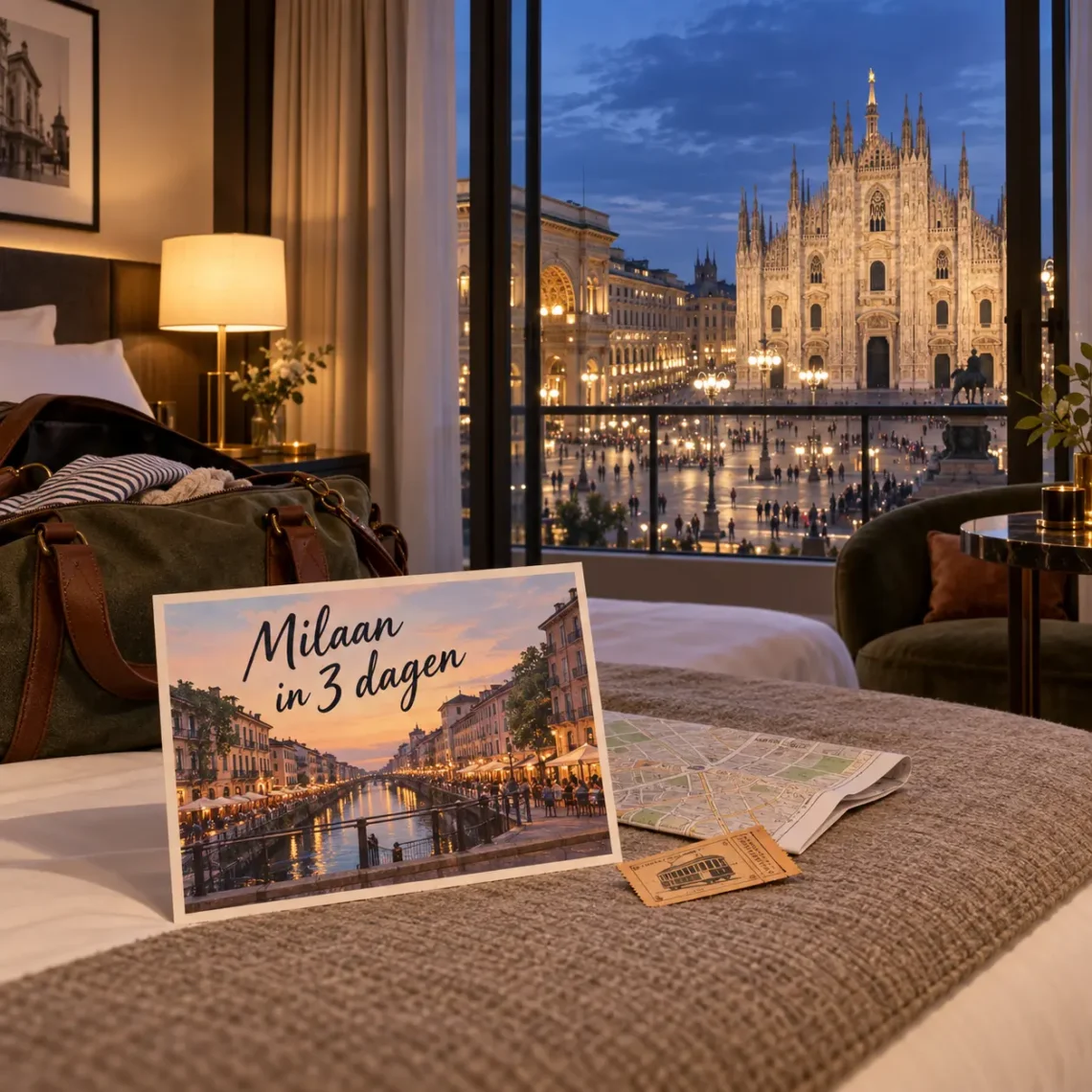
Milan in 3 Days: Our Complete City Break Itinerary
Three days in Milan is enough to see the best-known sights while leaving room for the small moments that make the city enjoyable. You can climb the Duomo, walk through the Galleria, ride historic tram 1, explore the castle and park, and visit two very different historic churches. There is still time for picturesque streets, aperitivo, and a proper Italian espresso.
This itinerary reflects how we like to experience Milan: not a new attraction every 30 minutes, but logical routes with permission to wander. The one reservation that should guide your schedule is The Last Supper. If you secure a ticket for another day or time, simply swap days two and three.
The itinerary at a glance
| Day | Area | Highlights |
|---|---|---|
| Day 1 | Historic center and Brera | Duomo, rooftop terraces, Galleria, Scala, coffee, and evening light on the square |
| Day 2 | Castello and Sempione | Castello Sforzesco, Parco Sempione, Arco della Pace, and historic tram 1 |
| Day 3 | Western center | Sant’Ambrogio, Santa Maria delle Grazie, The Last Supper, and aperitivo |
Each day’s route is walkable. Use the metro or tram to travel between your hotel and the starting point. ATM transportation is especially easy because you can tap a contactless debit or credit card. Each traveler needs a separate card, and the metro requires both entry and exit taps.
Day 1: the Duomo, Galleria, and Brera
9:00 a.m. – begin on Piazza del Duomo
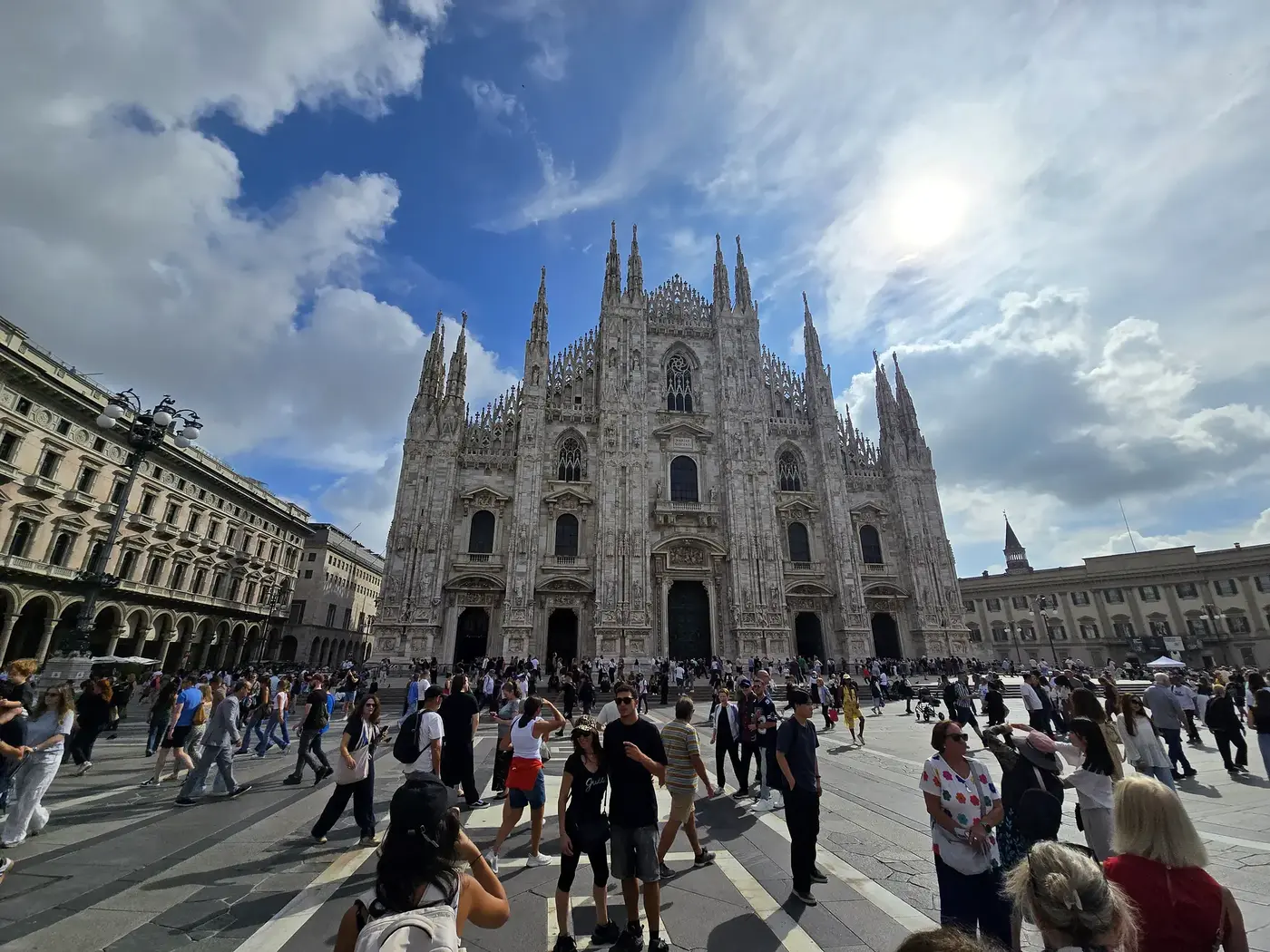
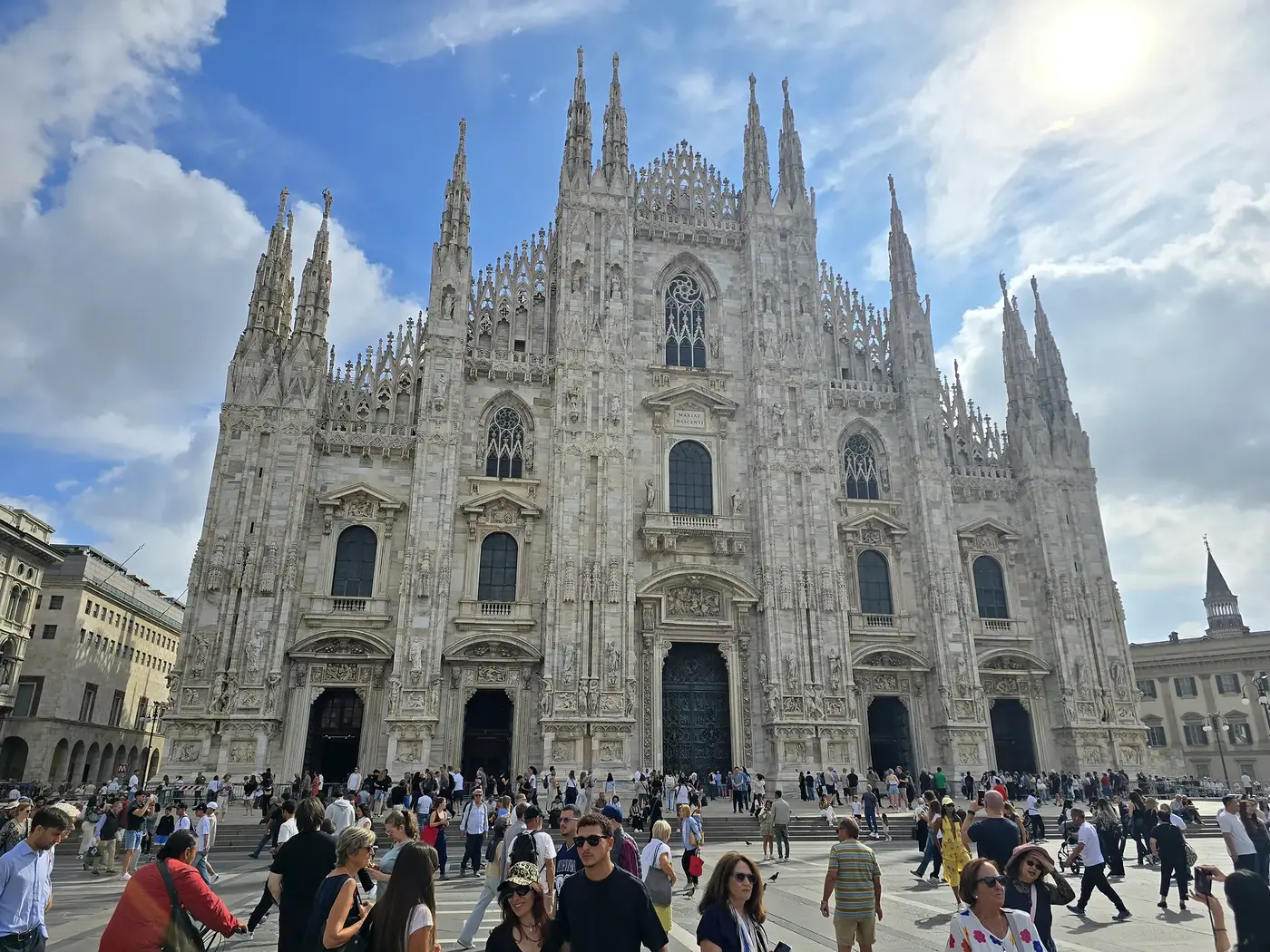
Arrive early. The square is rarely empty, but mornings are calmer and the marble facade catches attractive light. Walk across the square before entering; only up close do the cathedral’s countless sculptures and pinnacles become clear.
Reserve the cathedral and rooftop terraces in advance if possible. Choose stairs or elevator based on your mobility, remembering that even the elevator route includes level changes and steps. Cover shoulders and knees and expect security. We would not skip the terraces: standing among the pinnacles makes the building’s scale much more tangible than viewing it from below.
12:00 p.m. – Galleria Vittorio Emanuele II
Enter the Galleria directly from the square. Its glass dome, mosaics, and decorated facades make it far more than a shopping arcade. Look both up and down. The famous terraces charge for their location; a few streets away, you will usually find a more personal coffee bar at a friendlier price.
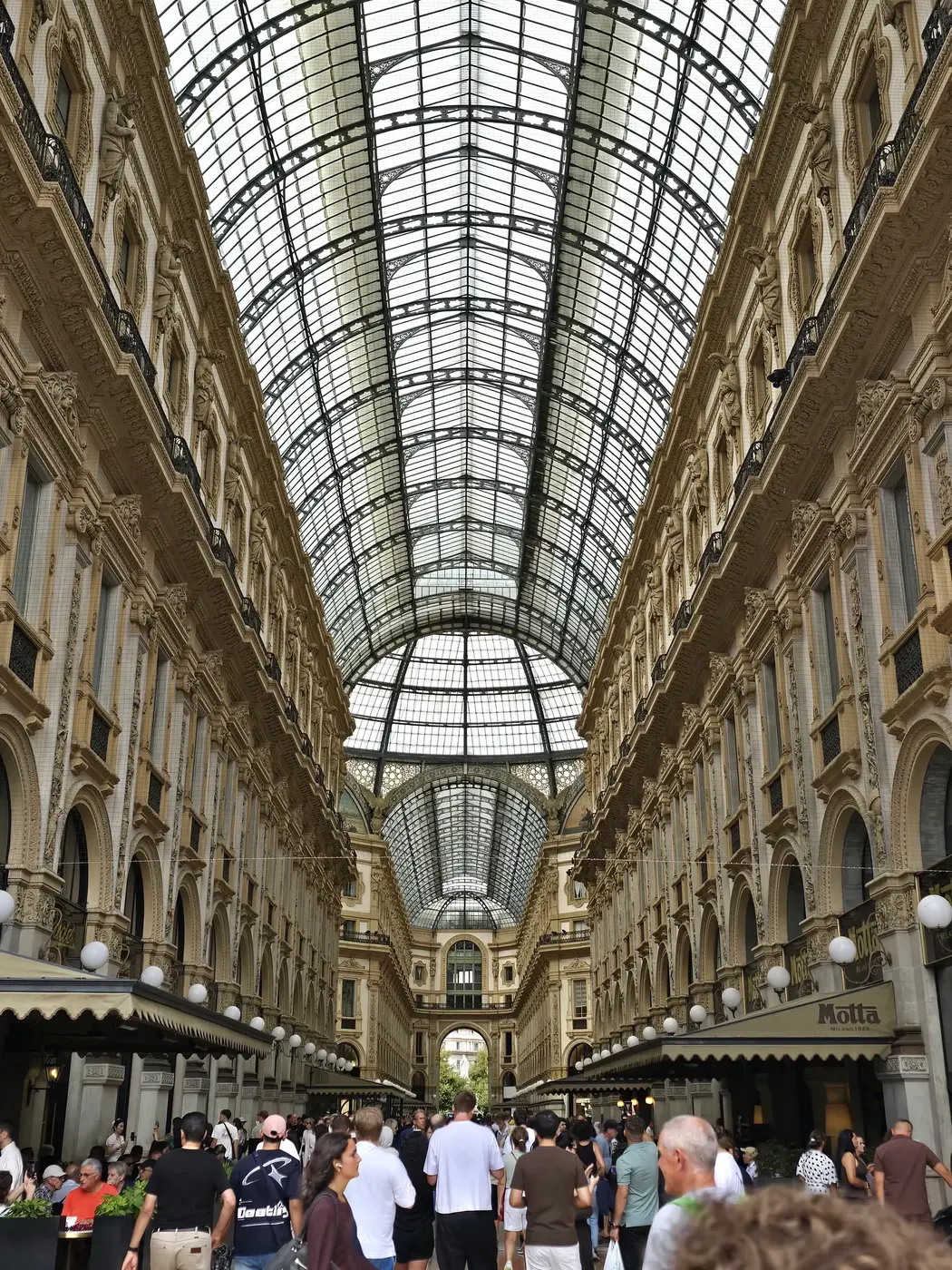
After lunch, order an espresso at the bar. The Italian ritual is short: step in among local residents, drink the small, strong coffee in a few sips, and continue your walk. We enjoyed this rhythm far more than turning every break into a long stop.
2:00 p.m. – La Scala and Brera
Piazza della Scala lies beyond the Galleria. See the opera house from outside or visit the museum if theater history interests you. Then walk toward Brera. Via Brera, Via Fiori Chiari, and Via Madonnina have cobblestones, colorful facades, shops, and coffee bars. A side street often becomes quieter even when the main lanes are busy.
Do not plan every photograph. Brera rewards slow wandering, glimpses of courtyards through open gates without entering private property, and spontaneous stops. Pinacoteca di Brera is a worthwhile addition for art lovers, but allow at least 1.5 to 2 extra hours and reduce the unstructured walking time.
Evening – return to the Duomo
Return after dinner. The illuminated facade and lively square feel completely different from the morning. We enjoyed seeing the same place twice: once as Milan wakes up and again among evening walkers, street musicians, and visitors taking a final photograph.
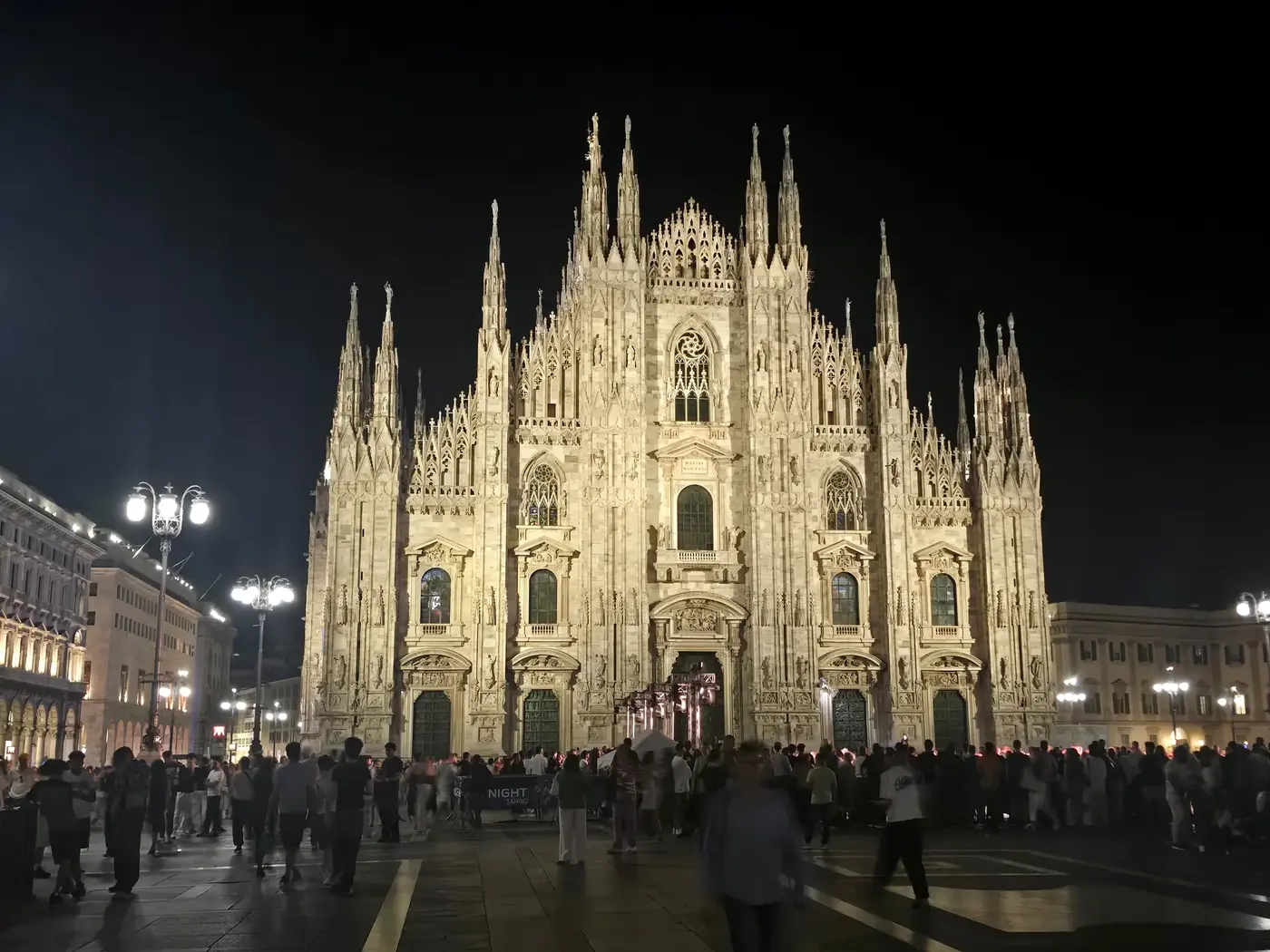
Day 2: Castello Sforzesco, the park, and tram 1
9:30 a.m. – from Cairoli to the castle
Start at Cairoli metro station or follow Via Dante from the center. The tower, red-brick walls, and fountain make an impressive first view. The courtyards are normally free. Walk through the complex first, then decide whether one museum collection genuinely interests you rather than rushing through everything.
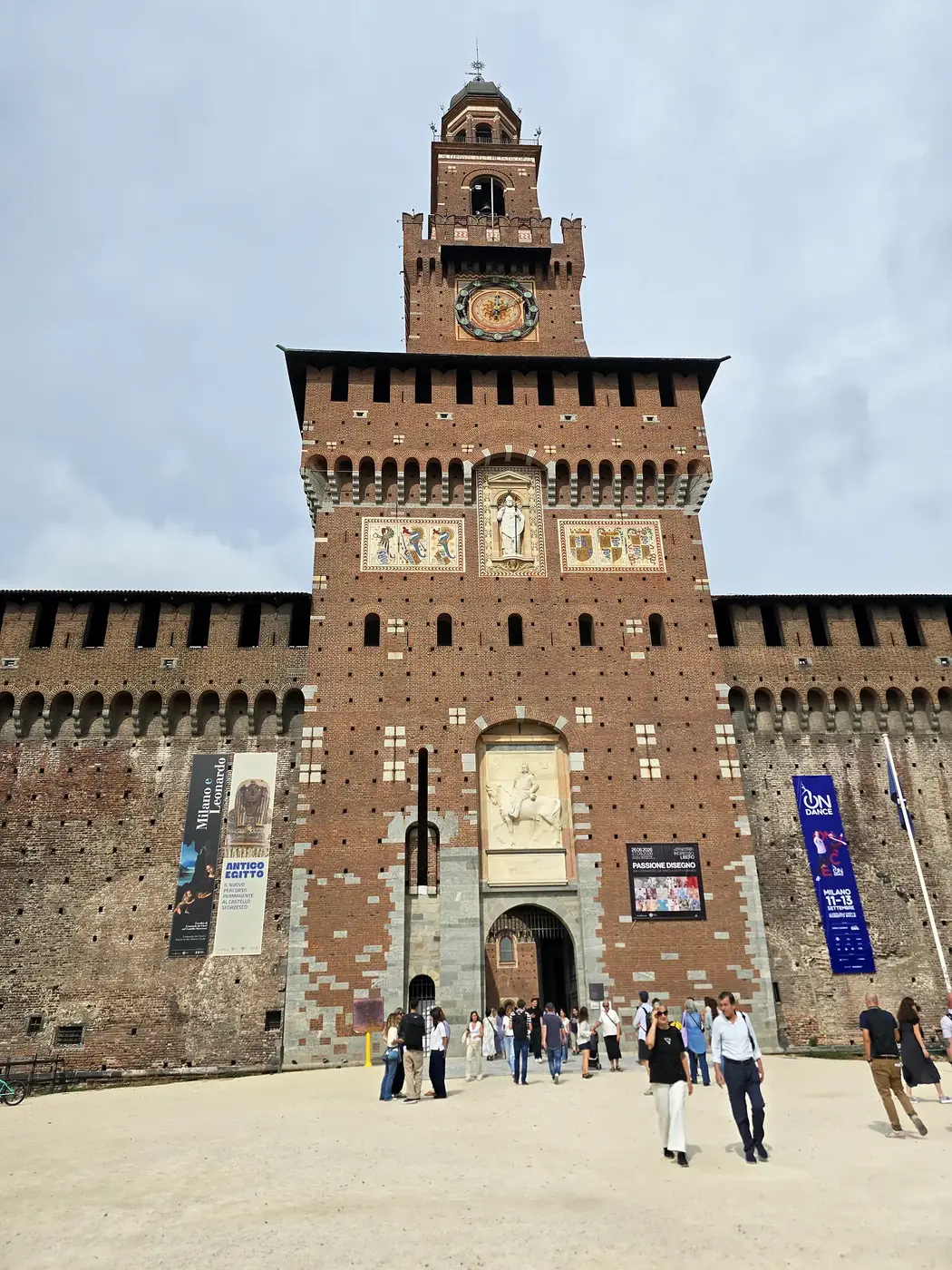
12:30 p.m. – lunch and Parco Sempione
Pick up a simple lunch or choose a cafe near the castle, then enter Parco Sempione. After the busy first day, it is refreshing that this route is not only buildings. Sit on a bench, walk beside the water, and look back toward the castle walls. In good weather, Milan residents exercise, picnic, and meet friends here.
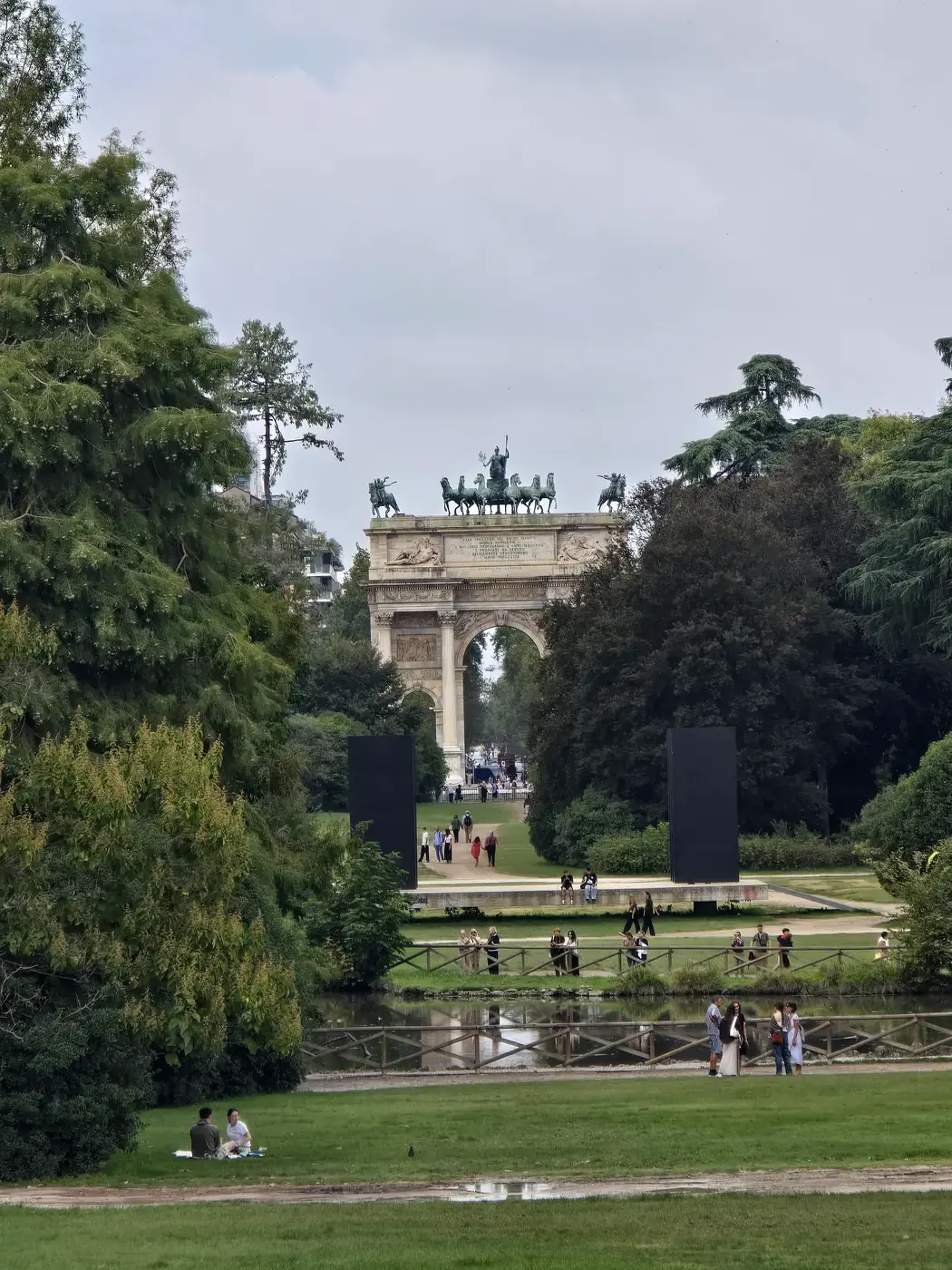
3:00 p.m. – Arco della Pace
Arco della Pace stands at the park’s northwestern side. Examine its sculptures and reliefs up close, then continue toward Corso Sempione for a drink. The square becomes livelier as the afternoon progresses and makes a pleasant place to pause without an agenda.
4:30 p.m. – ride historic tram 1
Finish the afternoon on tram 1. Classic Carrelli trams, recognizable by their rounded shape and wooden interiors, frequently serve this regular route. Board near Arco della Pace toward the center. It passes the park, castle, Cairoli, Cordusio, Duomo area, and Piazza della Scala. Confirm direction and detours in the ATM app.
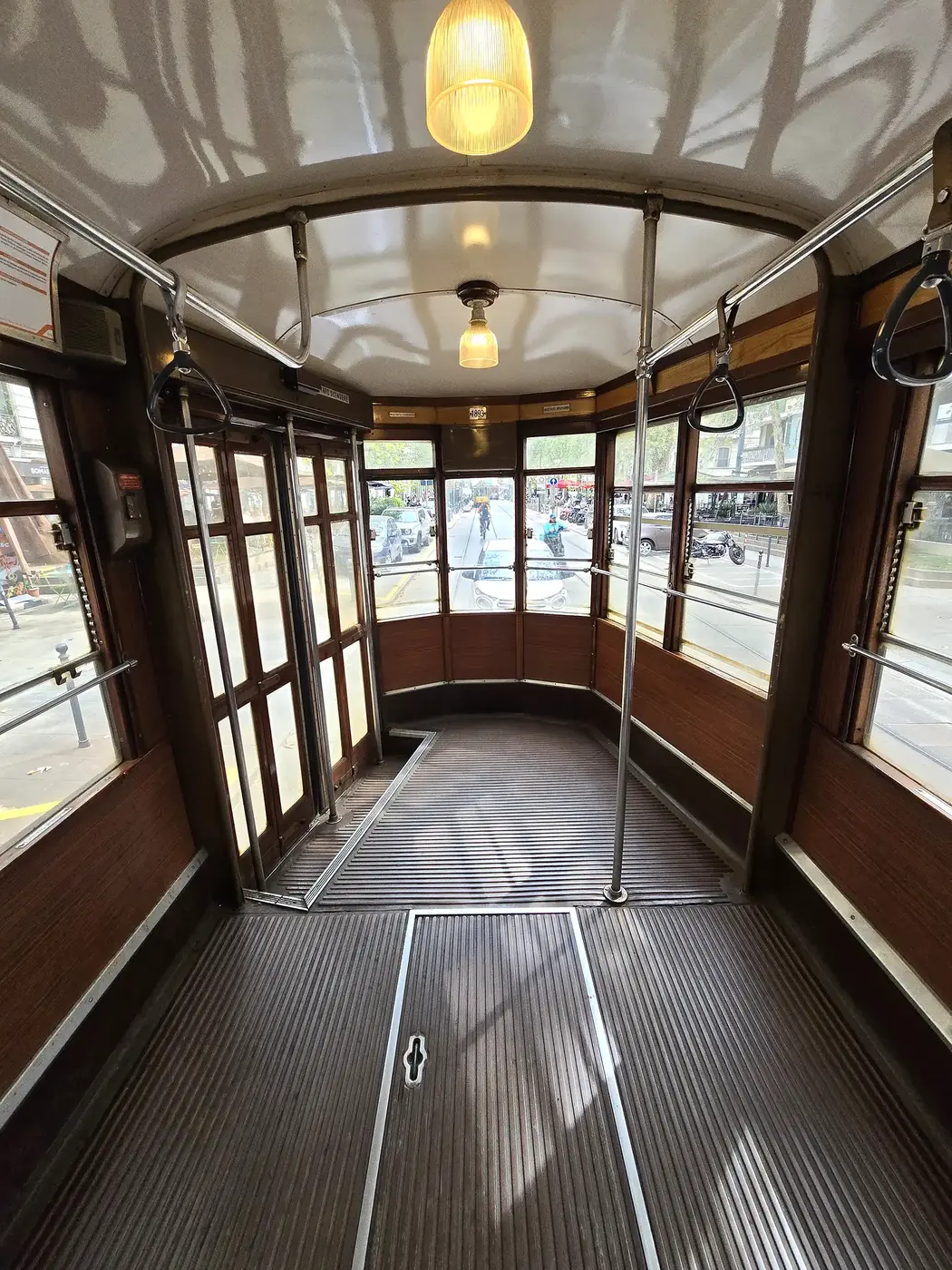
A historic vehicle is not guaranteed. ATM may use modern equipment or reroute the line during construction. Wait for the next tram only if you have plenty of time. This is transportation for residents rather than a tourist circuit, which is what made it feel authentic to us.
Evening – aperitivo in Navigli or Sempione
Stay around Arco della Pace or travel to Navigli. Canal-side bars serve aperitivo, a drink with small bites before dinner. Navigli is popular and not always quiet or inexpensive. Walk along the side canals before choosing a terrace. For a calmer night, Corso Magenta and Brera also have many restaurants.
Day 3: Sant’Ambrogio and The Last Supper
9:00 a.m. – a quiet start at Sant’Ambrogio
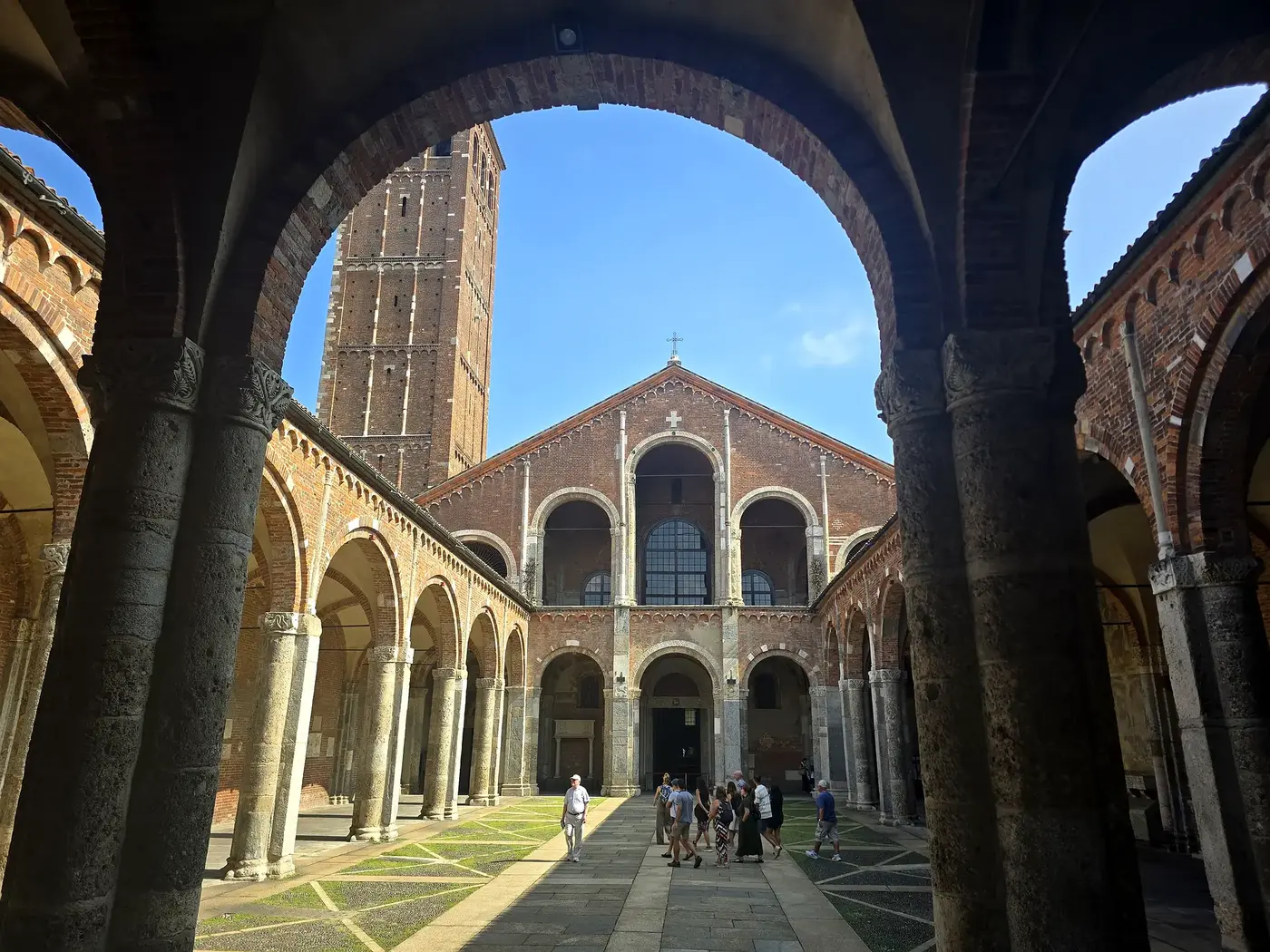
Begin at Basilica di Sant’Ambrogio. Its brick church, enclosed courtyard, and crypt reveal a much older, more restrained Milan than the marble Duomo. Because it remains an active church, areas may close temporarily. Take your time, speak softly, and adjust if a service is underway.
10:30 a.m. – espresso and Corso Magenta
Walk toward Santa Maria delle Grazie and pause for coffee. Elegant residential streets and small businesses are easily missed when traveling underground. An espresso at the bar takes little time but creates a memorable Italian moment. Add a sweet pastry or cornetto if you like.
11:30 a.m. – Santa Maria delle Grazie
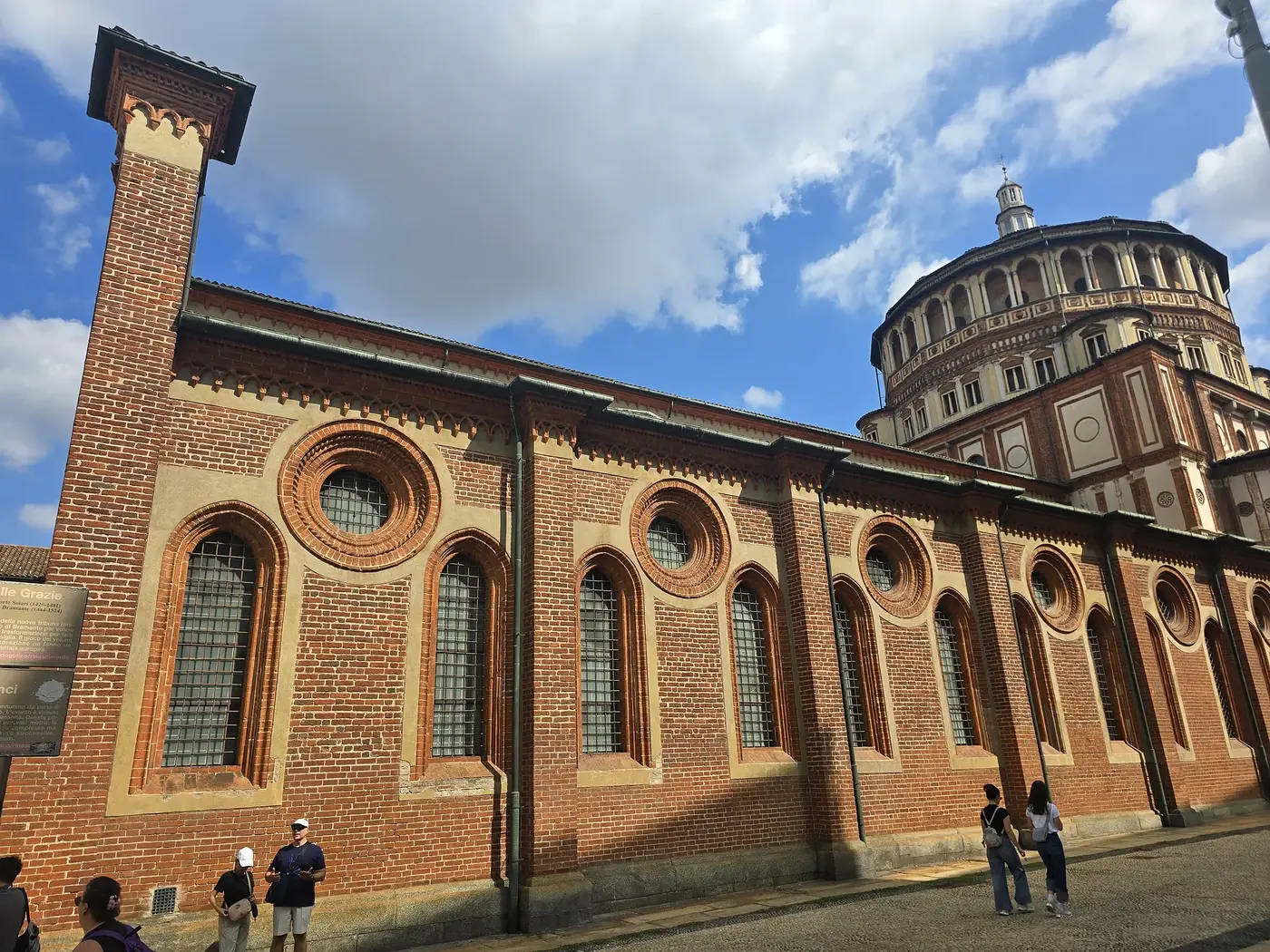
See the church from outside and walk around its brick dome before entering if open. The church is separate from the museum containing The Last Supper. Leonardo’s painting always requires a reserved time slot, including free admission.
Your reserved time – The Last Supper
Current museum instructions ask you to arrive 30 minutes early. Viewing lasts about 15 minutes, and group size is limited to protect the fragile work. Do not let the short time rush you. First take in the complete composition, then study the apostles’ gestures and expressions.
If your ticket is early, late, or on another day, organize everything around it. This is the least flexible stop in the itinerary. The basilica, coffee, and lunch can easily move. Without a ticket, you can still visit Santa Maria delle Grazie and add another museum, Porta Nuova, or Navigli.
Getting around during these three days
A rental car is unnecessary. Most stops within each day are close enough to walk. Use the metro to reach the starting point and return to your hotel. Tram 1 is both transportation and a scenic ride.
- Contactless travel: tap a debit card, credit card, phone, or smartwatch at the ATM reader.
- Separate card: every traveler uses a separate payment method.
- Metro: always tap in and out using the exact same method.
- City tram and bus: normally tap when boarding; beyond the urban zone, follow instructions for checking out.
- Trains: ATM contactless travel is not automatically valid on Trenord or S lines.
A Mi1–Mi3 single ticket currently costs €2.20 and is valid for 90 minutes. A 24-hour ticket is €7.60, and a three-day ticket is €15.50. ATM applies a daily cap to eligible contactless travel. Fares change, so consult our current Milan transportation guide and ATM’s official site.
How much does three days in Milan cost?
Milan can be expensive, but you retain considerable control over your daily budget. The Galleria, castle courtyards, Parco Sempione, and several churches are free. Accommodations, dining in prime locations, and multiple paid museums make the largest difference.
| Item | Estimate per person | Money-saving tip |
|---|---|---|
| City transportation | Up to about €15.50 for a three-day Mi1–Mi3 pass | Walk within each route and compare a pass with contactless fares |
| Coffee and simple breakfast | About €4–€10 per day | Drink espresso at the bar away from major squares |
| Lunch | About €10–€20 per day | Choose a bakery, small trattoria, or picnic food |
| Dinner | About €20–€45 per day | Check the menu and table charges before sitting down |
| Attractions | Depends on your choices | Book only museums you genuinely want and use free sights |
If it rains
Rain need not ruin the plan. Save the Galleria, an extended Duomo visit, Castello Sforzesco’s museums, or Pinacoteca di Brera for the wettest hours. Rooftop terraces may be uncomfortable or restricted during bad weather. Use metro and tram for longer distances, remembering that vintage trams may have high steps and limited space.
Where should you stay?
For a first visit, a hotel near a metro station matters more than an address beside the Duomo. Centrale offers convenient connections and broad choice but feels more businesslike. Brera and the historic center are atmospheric and central, generally at a higher price. Navigli suits travelers who want restaurants and nightlife nearby. Along with price, check recent reviews about noise, air conditioning, and the walk from the station.
Practical tips we would use again
- Book The Last Supper first and build the itinerary around it.
- Plan the Duomo early and return after dark.
- Wear comfortable shoes; good transit does not prevent extensive walking over stone and uneven surfaces.
- Bring clothing that covers shoulders and knees in churches.
- Always use the exact same card or device for contactless travel.
- Watch your phone and wallet on crowded transit and around stations.
- Leave time for one spontaneous coffee or side street each day.
- Check opening hours, strikes, and construction each morning.
Is three days enough for Milan?
Three days is an excellent first introduction. You see the famous buildings without constantly rushing. With two days, keep days one and two and fit Sant’Ambrogio or The Last Supper around your ticket. With four or five days, add museums or a day trip to Como, Bergamo, or Monza.
What stayed with us was not one checklist moment, but the contrast between the Duomo’s white marble, tram 1’s wooden benches, Sant’Ambrogio’s brick silence, and a tiny espresso on an unexpected street. Milan reveals more of itself when you do not follow the schedule too rigidly.
Some links on this page are affiliate links. If you book through one of them, we may earn a small commission at no extra cost to you. This helps support our website.
Discover more from DutchieWorldTravel
Subscribe to get the latest posts sent to your email.



One Comment
Pingback: