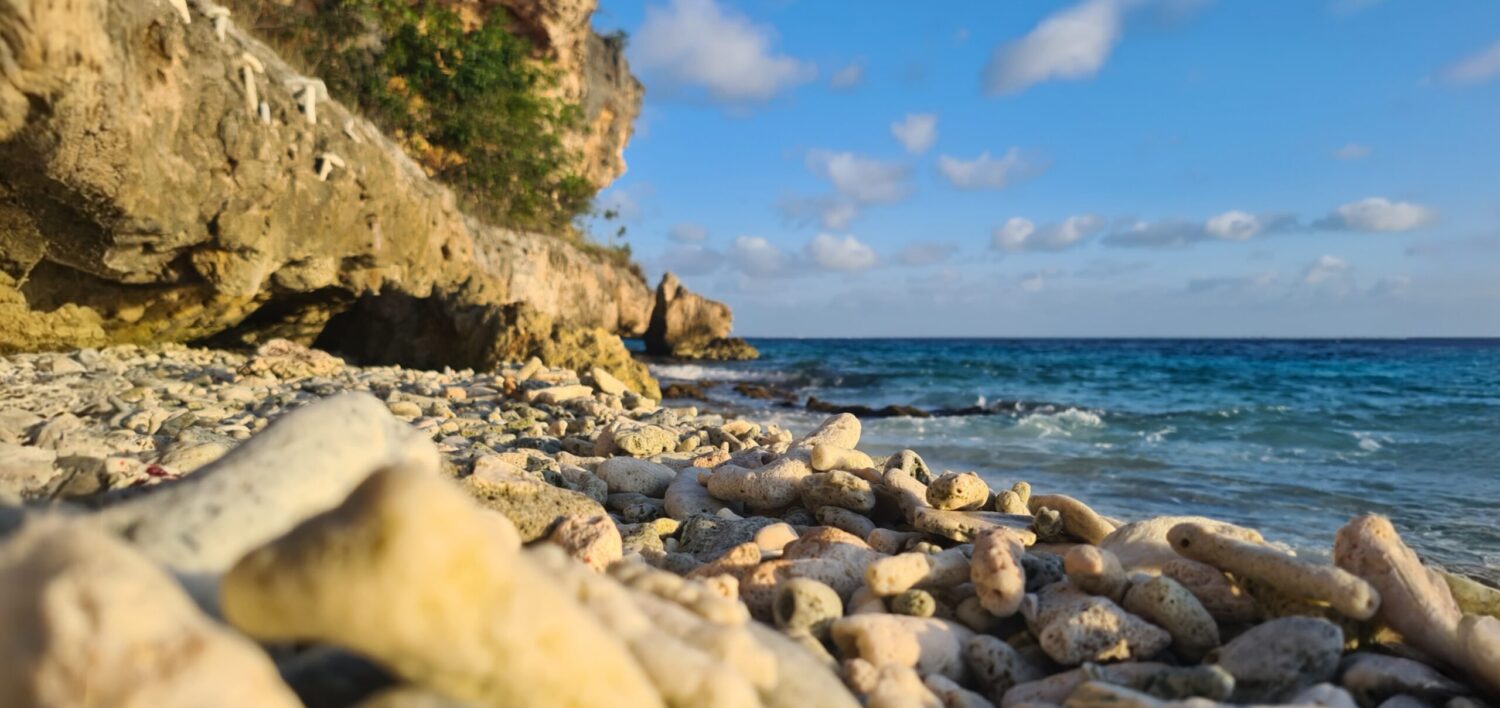


Best Time to Visit the Galápagos Islands
You can visit the Galápagos Islands year-round. The best time to go depends mainly on what you want from the trip: warm beach weather, snorkeling in warmer water, diving, hiking, or watching particular animals. That is why there is no single perfect month for every traveler.
Instead of relying only on a weather app, compare the islands’ two broad seasonal patterns, sea conditions, and the route you want to follow. Use this guide together with our 7-, 10-, and 14-day Galápagos itineraries.
Some links in this article are affiliate links. If you book or buy through one of these links, we may receive a commission at no extra cost to you. This helps support our website.
In this guide
- Seasons at a glance
- December through May: warmer and more tropical
- June through November: cooler, nutrient-rich water
- Our experience in July 2024
- Best time by type of traveler
- Wildlife: do not plan around one exact species
- Crowds, availability, and prices
- What to pack for each season
- Frequently asked questions
- Continue planning
Galápagos seasons at a glance
| Period | General conditions | Good to know |
|---|---|---|
| December through May | Warmer, more sunny spells, and occasional showers | The ocean is usually warmer, while humidity can be higher |
| June through November | Cooler, with more clouds or garúa | The water is generally cooler and can feel rougher |
These are averages, not guarantees. El Niño, La Niña, and local ocean currents can noticeably alter the usual pattern. Check current conditions shortly before departure, especially if a particular boat excursion or dive site is important to you.
Month by month: a practical overview
The periods below describe the broad pattern. The archipelago sits where several ocean currents meet and is influenced by El Niño and La Niña. A month on the calendar is therefore never a weather guarantee.
| Months | What you can generally expect | Often suits |
|---|---|---|
| December–February | Warming temperatures, more sun, and increasing showers | Beaches, warmer water, and island hopping |
| March–May | Warm and humid, with occasional heavy showers | Snorkelers who prefer to avoid cold water |
| June–August | Cooler, cloudier, and sometimes rougher at sea | Active trips and nutrient-rich marine conditions |
| September–November | Cool ocean temperatures and variable swells | Travelers who do not mind layers and a wetsuit |

Treat these four periods as a useful framework, not as dates on which the weather suddenly changes. A flight with convenient times and an itinerary with fewer transfers may affect your comfort more than traveling a few weeks earlier or later. Also look separately at the highlands, harbor towns, and open ocean—a forecast for Puerto Ayora does not describe every one of those environments.
December through May: warmer and more tropical
These months tend to feel warmer, and the sea is generally more comfortable for longer snorkeling sessions. Heavy but localized showers are possible. Between showers, conditions are often bright and sunny. This period can be a good fit if you want to combine swimming and relaxing on the beach with wildlife trips and hiking.
Heat and humidity can make walks more demanding. Schedule strenuous activities early, drink plenty of water, and protect yourself carefully from the sun. A wetsuit can still be useful, depending on the location and how sensitive you are to cold.
June through November: cooler, nutrient-rich water
Cooler currents carry nutrient-rich water toward the archipelago. This can support abundant marine life, but the water feels colder and boat rides may be choppier. Clouds and fine mist, locally known as garúa, are more common. That does not necessarily mean rain throughout the day.
Bring layers and a light rain jacket. A properly fitting wetsuit becomes more important for snorkeling. If you are prone to seasickness, discuss preventive options with a doctor or pharmacist and choose an itinerary with fewer open-water crossings when possible.
Our experience in July 2024
We visited in July 2024. During our week on the islands, we enjoyed good weather and a fairly calm sea, although several other travelers still became seasick during a boat trip. That is one personal experience, not a forecast for every July.
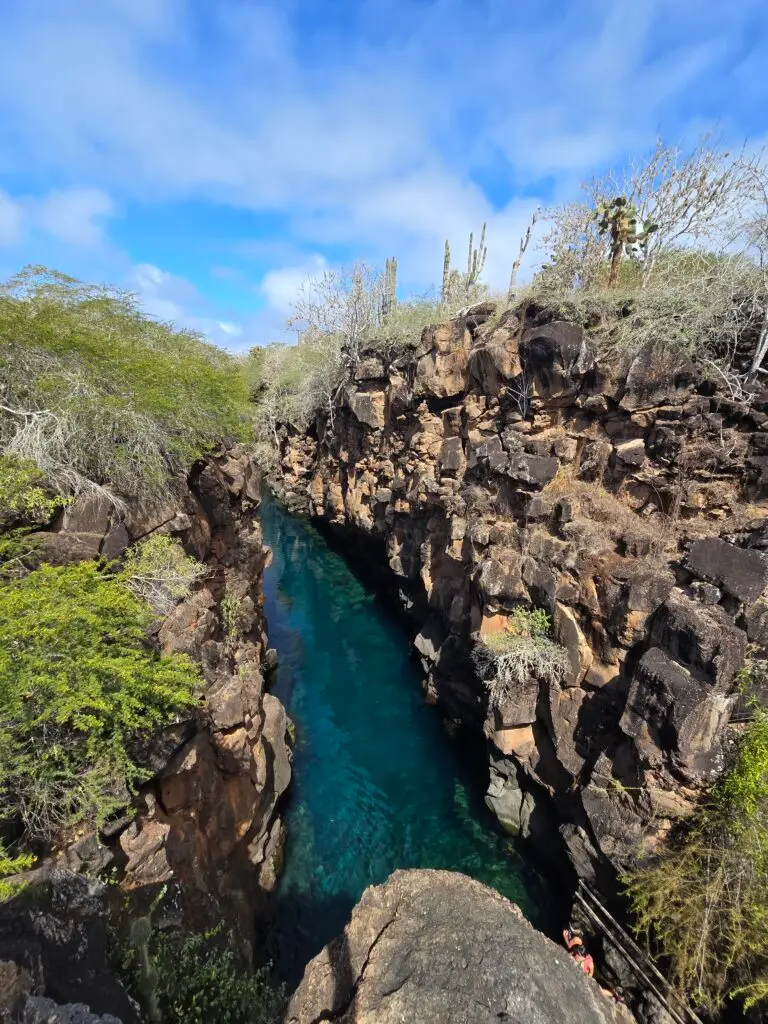
Our experience is mainly a reminder that averages and conditions on your travel day can differ. Travelers who easily become seasick may prefer fewer island changes and can ask a medical professional in advance which precautions are suitable for them.
Best time to visit by type of traveler
If your dates are flexible, you can compare Galápagos hotel prices for several travel periods. Compare the same island and room type so the price difference is meaningful.
Once you have chosen a season, read our practical guides to Santa Cruz and Isabela. Accessibility and daily schedules vary by island, even within the same week.
For snorkelers
Choose the warmer period when spending longer in the water without a thick wetsuit matters most. Consider the cooler months if you accept colder water and are especially interested in nutrient-rich marine conditions. Always check current visibility and currents for the day and location.
For divers
Experienced divers may find certain cooler months appealing, but stronger currents and swells require appropriate skills. Let the dive operator select a site based on recent conditions and your certification and experience.
For hikers
Cooler air can make longer walks more comfortable, though mud and fine mist may be part of the day. During warmer months, start early and reduce strenuous activity around midday.
For families
School schedules, sea comfort, and your children’s energy levels matter more than a calendar for one animal species. Limit the number of boat days and choose rooms with flexible booking terms.
| Your main priority | What to consider |
|---|---|
| Comfortable, longer snorkeling sessions | Water temperature at the excursion site and a well-fitting wetsuit |
| Less chance of an unpleasant boat day | The seasonal pattern and fewer necessary sea transfers |
| Seeing a particular animal | The island, habitat, and recent local sightings—never a guarantee |
| Traveling during school vacation | Availability and flexible terms before the cheapest month |
| Plenty of hiking | Temperature, rainfall, and differences between the coast and highlands |
Wildlife: do not plan around one exact species
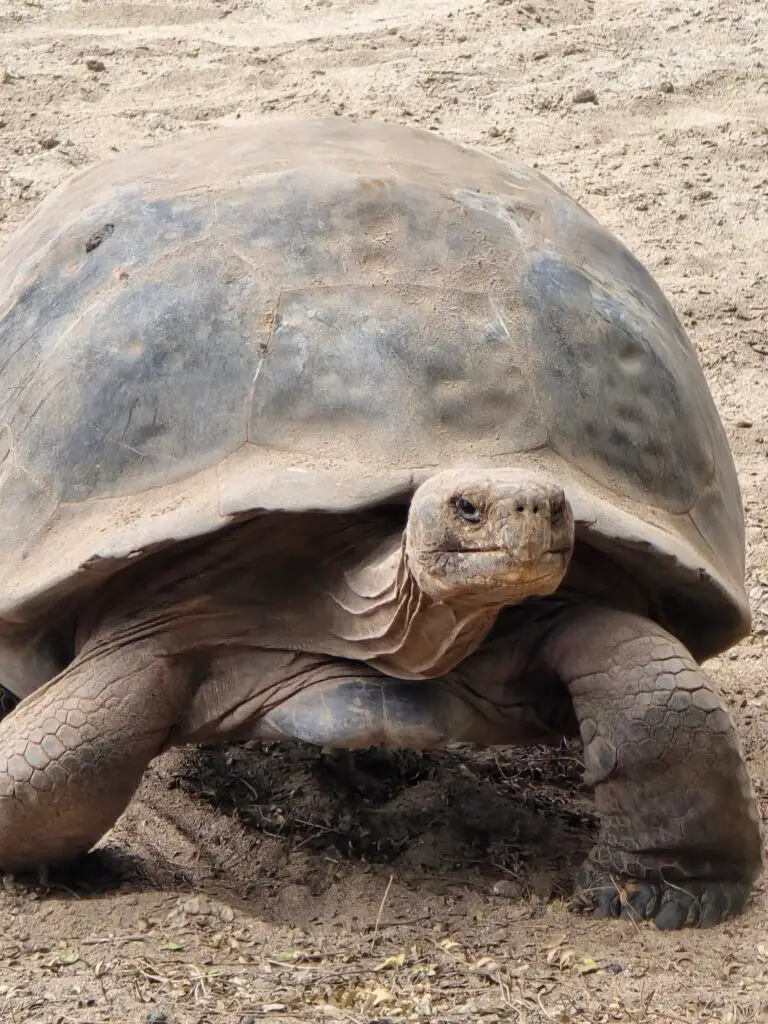
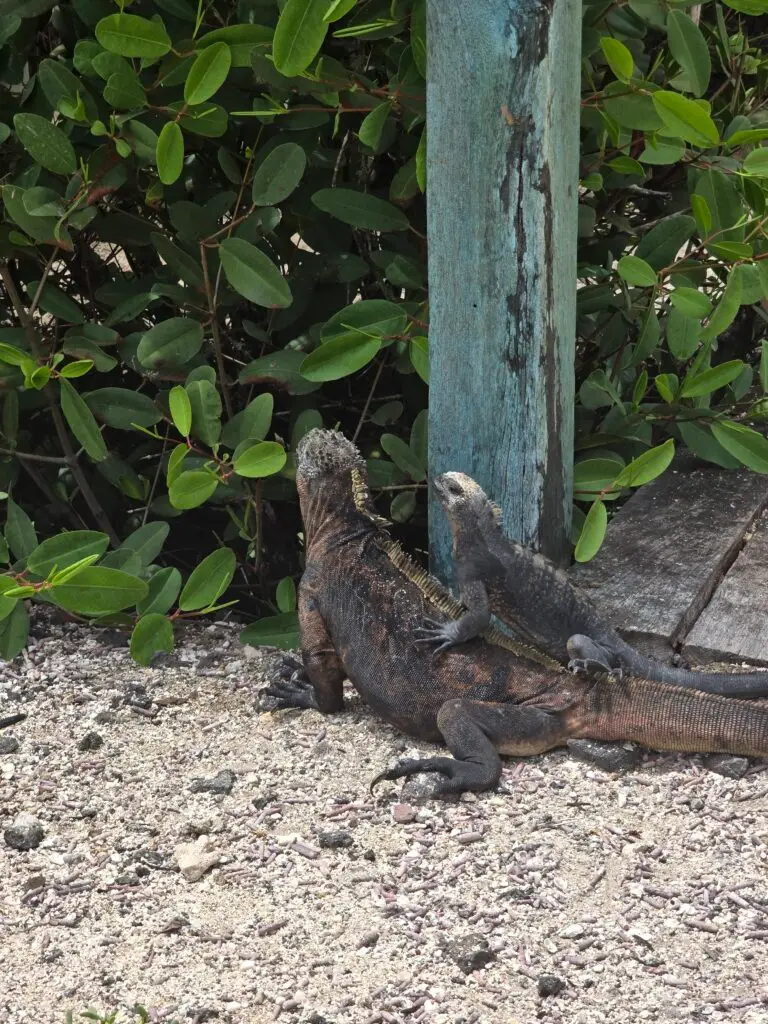
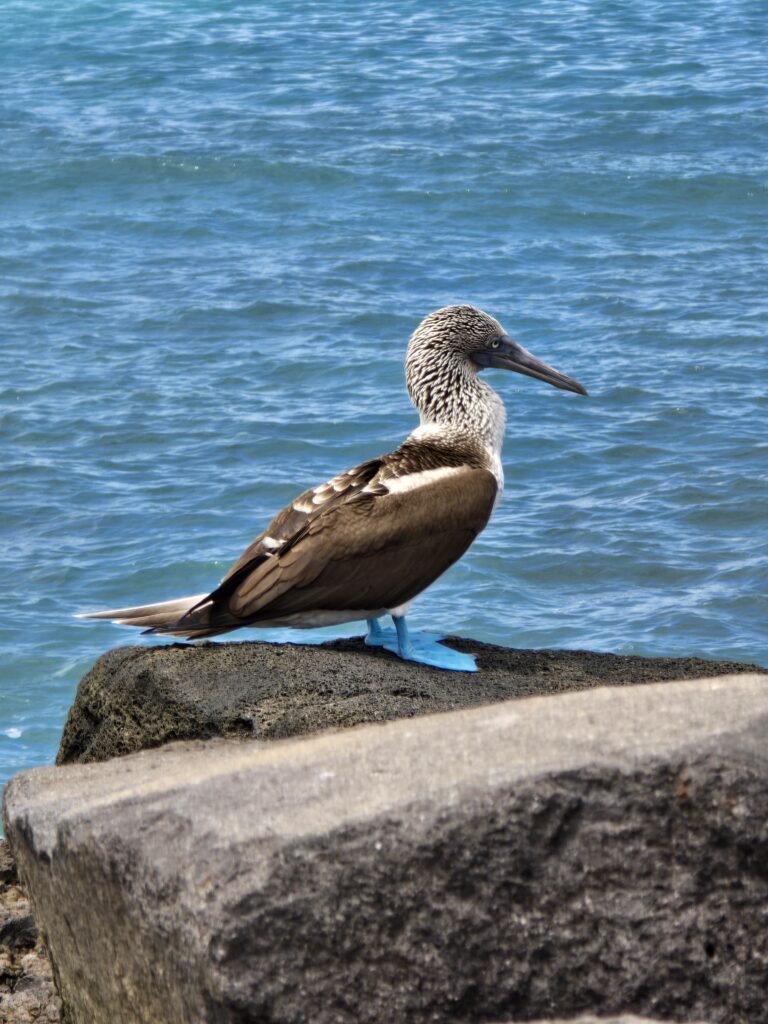
Breeding periods, young animals, and feeding behavior vary by species and location. Some animals can be seen throughout the year, but not on every tour. A local naturalist guide can share recent sightings without promising an encounter. Visit several ecosystems—the highlands, rocky coast, and ocean—to create a broader experience.
Microclimates in a single day
The coast may be sunny while the Santa Cruz highlands are cool and damp. Bring an extra layer and rain protection for a tortoise or volcano tour. Check a forecast for the exact location instead of looking only at Puerto Ayora.
Climate change and unusual years
Historical averages are affected by El Niño, La Niña, and changing ocean patterns. Treat any monthly chart as a starting point. Shortly before your trip, check sea conditions, rainfall, volcanic notices, and temporary closures.
Crowds, availability, and prices
Around holidays, school vacations, and popular travel periods, flights, accommodations, and well-rated small-group tours can fill earlier. Reserve the essential parts in good time, but review cancellation terms first. You may find more choice outside peak periods, although inexpensive last-minute deals are never guaranteed.
If your schedule is flexible, availability and total cost can help determine your travel dates. Remember to include fixed entry fees alongside flights, lodging, and tours. Our guide to the cost of a Galápagos trip helps you build a realistic budget.
When comparing two possible travel dates, price the same trip each time: the same room category, number of nights, and excursions. Otherwise, one month may appear cheaper simply because less is included. Secure the flight that determines your itinerary first, then choose hotels and tours that fit around it. A late arrival can cost you a useful excursion day.
When selecting lodging, begin with the right island and town. Then compare the total price and conditions for the nights that match your itinerary.
What to pack for each season
- Year-round: a sun hat, high-SPF sunscreen, reusable water bottle, and dry bag.
- Warmer period: lightweight clothing and a light rain layer.
- Cooler period: a warm layer for boat rides and a properly fitting wetsuit.
- Hiking: shoes with good grip in every season.
- Boat days: waterproof protection and, after medical advice, motion-sickness medication if appropriate.
Frequently asked questions
What is the cheapest month?
There is no fixed cheapest month. Compare flights, hotels, and tours as one complete trip, and avoid peak dates when your schedule is flexible.
Does it rain all day during the warm season?
Not necessarily. Showers can be heavy and local, with sunny periods in between. Conditions still vary from place to place.
How far ahead should you book?
Reserve flights, key hotels, and must-do tours early for peak travel periods. Then build the rest around a suitable Galápagos itinerary.
Continue planning your Galápagos trip
Use our Galápagos travel guide as your overview and align your itinerary, transportation, and budget. You can also combine the islands with our Ecuador travel guide.
Updated September 12, 2026. Personal experiences refer to July 2024 where stated. Check current prices, opening hours, conditions, and travel advisories before departure.
Discover more from DutchieWorldTravel
Subscribe to get the latest posts sent to your email.


You May Also Like

Guayaquil to Cuenca by Car: Driving Route via Cajas

How Much Does a Galápagos Trip Cost?
