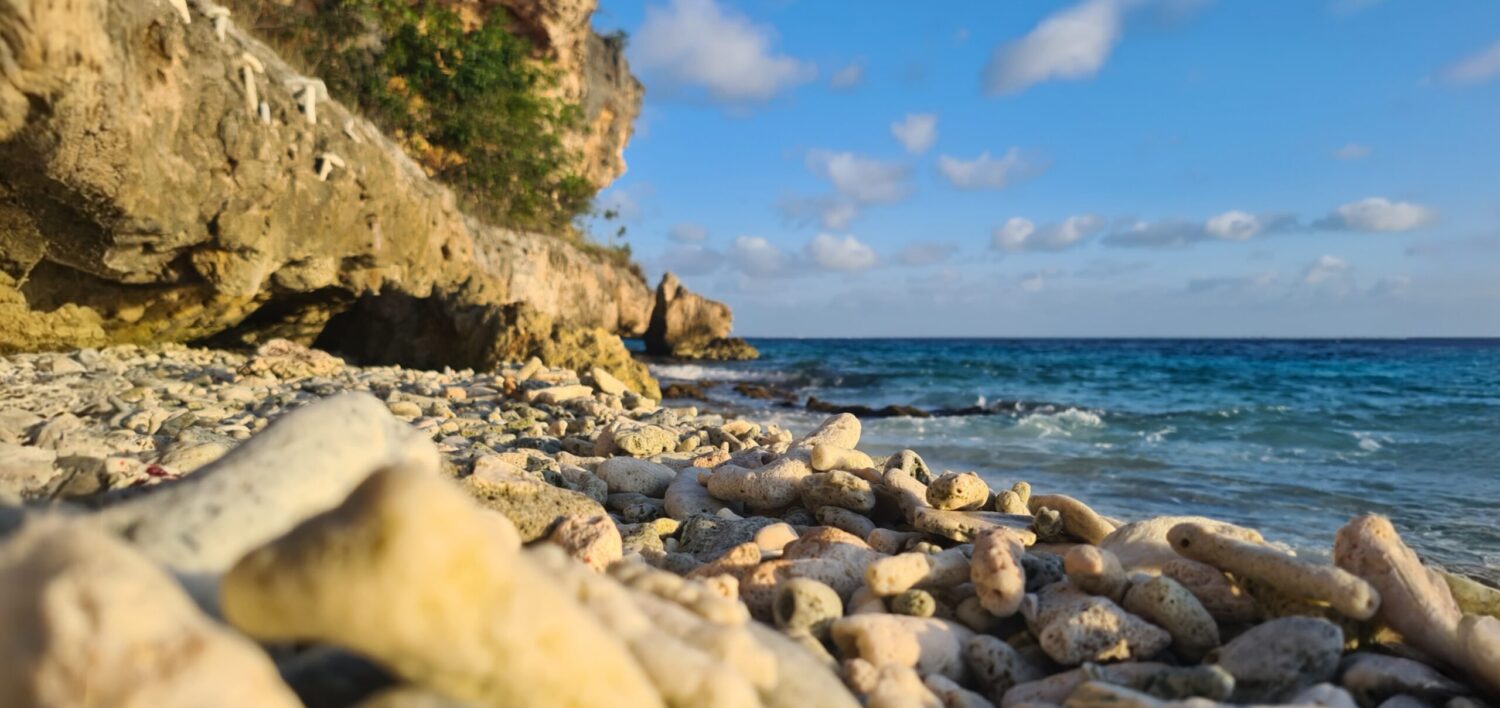


Galápagos Rules: Essential Dos and Don’ts
The unique ecosystems of the Galápagos Islands are fragile, so visitor rules are stricter than at many other destinations. The basic principle is simple: keep your distance, remove nothing from nature, avoid bringing outside risks to the islands, and follow instructions from park rangers and certified naturalist guides.
Rules, inspections, and accessible visitor sites can change. Use this article to prepare, but always check the latest information from Galápagos National Park and the relevant local authorities before traveling.
Some links in this article are affiliate links. If you book or buy through one of these links, we may receive a commission at no extra cost to you. This helps support our website.
In this guide
- Why the rules are so strict
- A quick overview
- Luggage and biosecurity
- Keeping your distance from wildlife
- Trails and approved visitor sites
- Take nothing and leave nothing
- Photography and drones
- Snorkeling, diving, and boating
- Health and safety
- How we experienced the rules
- Choosing a responsible tour
- Final checks before departure
- Frequently asked questions
Why Galápagos rules are so strict
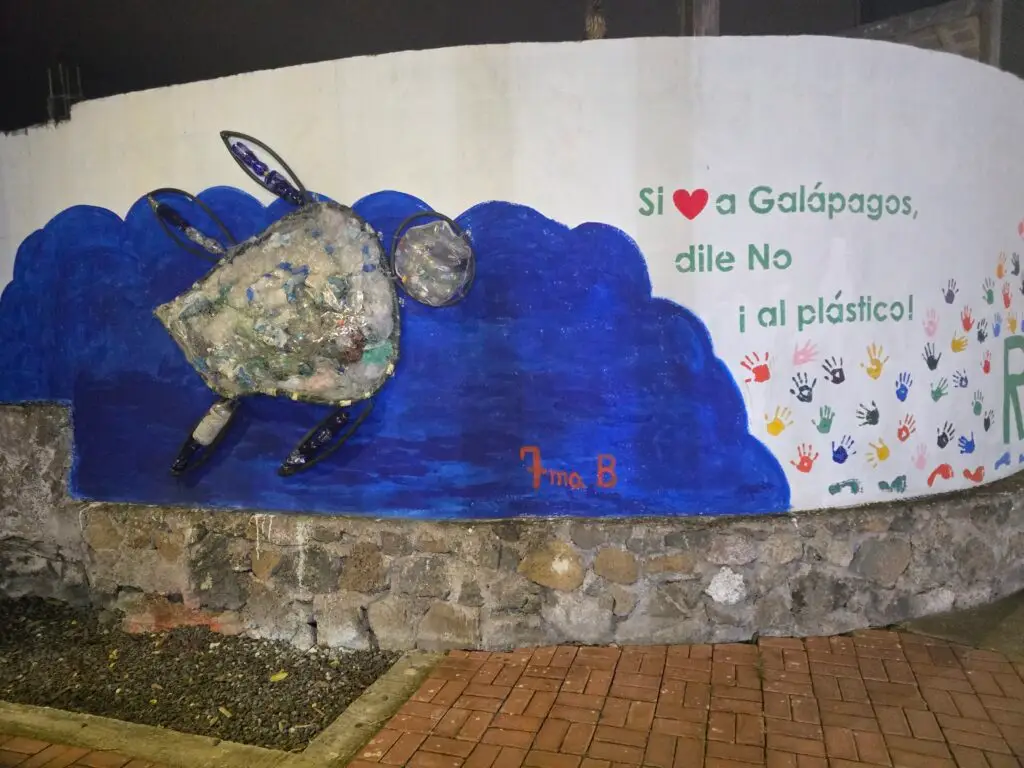
Species on remote islands evolved with little outside influence. A seed caught in a shoe, food given to a sea lion, or a visitor blocking access to a nest can have greater consequences than at an ordinary beach destination. The rules protect not just individual animals but the entire ecosystem.
Before and during your visit: a quick overview
| Stage | What to do |
|---|---|
| Packing at home | Clean footwear, tripods, and bags; check the current ABG product rules. |
| Flight from mainland Ecuador | Complete the TCT, biosecurity, and airline procedures in the required order. |
| Arrival on the islands | Follow park-entry and inspection procedures; keep payment receipts and your TCT. |
| Near animals | Never feed, touch, or chase them; leave room and follow instructions. |
| At a visitor site | Respect guide requirements, trails, visiting hours, and temporary closures. |
| Traveling to another island | Check food, seeds, soil, and luggage requirements again. |
Before departure: luggage and biosecurity
Luggage is inspected to prevent plants, seeds, soil, animals, food, and other biological risks from reaching the islands. Thoroughly clean hiking shoes, camping equipment, tripods, and bags. Remove mud, seeds, and plant matter from tread, Velcro, and seams.
- Check which fresh or unpackaged foods are prohibited.
- Pack outdoor footwear and equipment clean and dry.
- Cooperate with luggage inspection and sealing.
- Complete required registrations on time and accurately.
- Ask the official agency or airline if you are unsure.
Read the current official information about arriving in the Galápagos Islands, including details about the Transit Control Card and permitted length of stay. Use the official ABG product list to check food and other products. Factory-sealed packaging does not automatically make an item acceptable. Declare anything uncertain during inspection and never remove an inspection seal yourself.
Biosecurity between islands
Controls do not necessarily end after your flight from the mainland. Rules for luggage and food may also apply between islands. Clean your shoes after hiking, seal food carefully, and cooperate with inspections. Never move fruit, plants, or natural souvenirs without explicit permission.
Keeping your distance from wildlife
Never approach, feed, or touch wild animals. Stay on marked routes and always give wildlife the right of way. A sea lion on a bench, a tortoise on a trail, or a marine iguana beside your towel remains a wild animal. Step back calmly and make space instead of trying to move it.
- Never use food, sounds, or objects to attract an animal.
- Do not block routes between nests, shorelines, and the ocean.
- Leave young animals and nests entirely undisturbed.
- Observe the required minimum distance and your guide’s directions.
- Underwater, do not touch animals, rock formations, or life on the seafloor.
Sea lions and marine iguanas
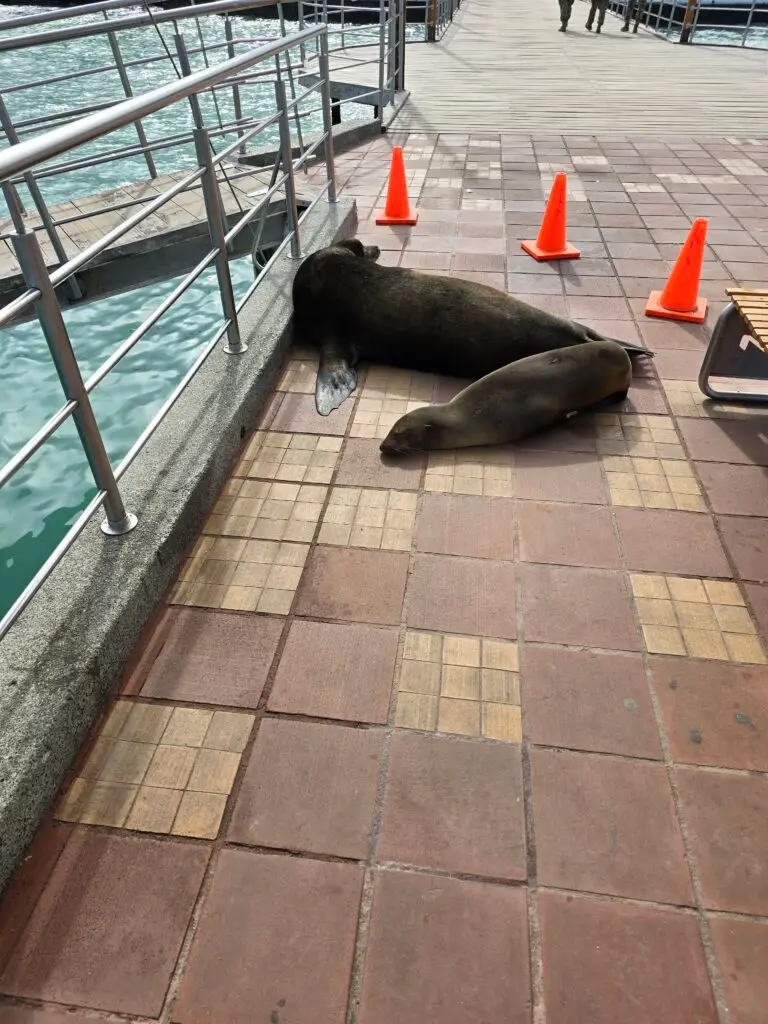
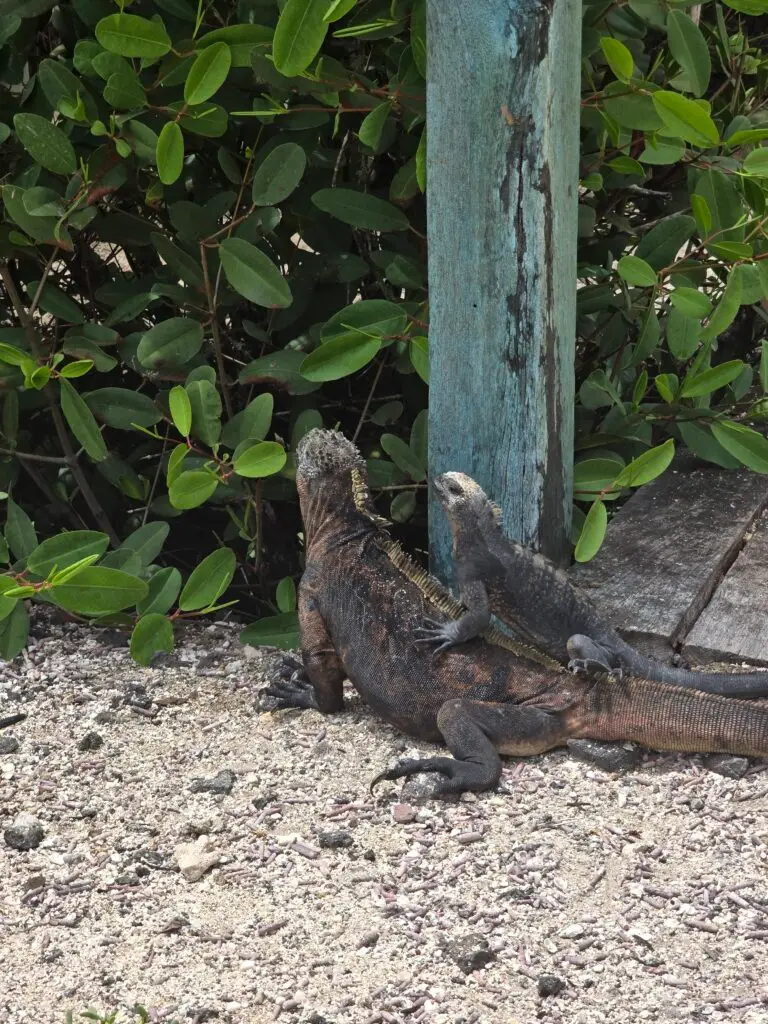
Sea lions regularly rest on piers, beaches, and benches. Do not step over them or squeeze past them, and never touch a sleeping animal. Large males can be territorial. Marine iguanas blend almost invisibly into dark lava rock, so watch where you step and keep their route open.
Tortoises and birds
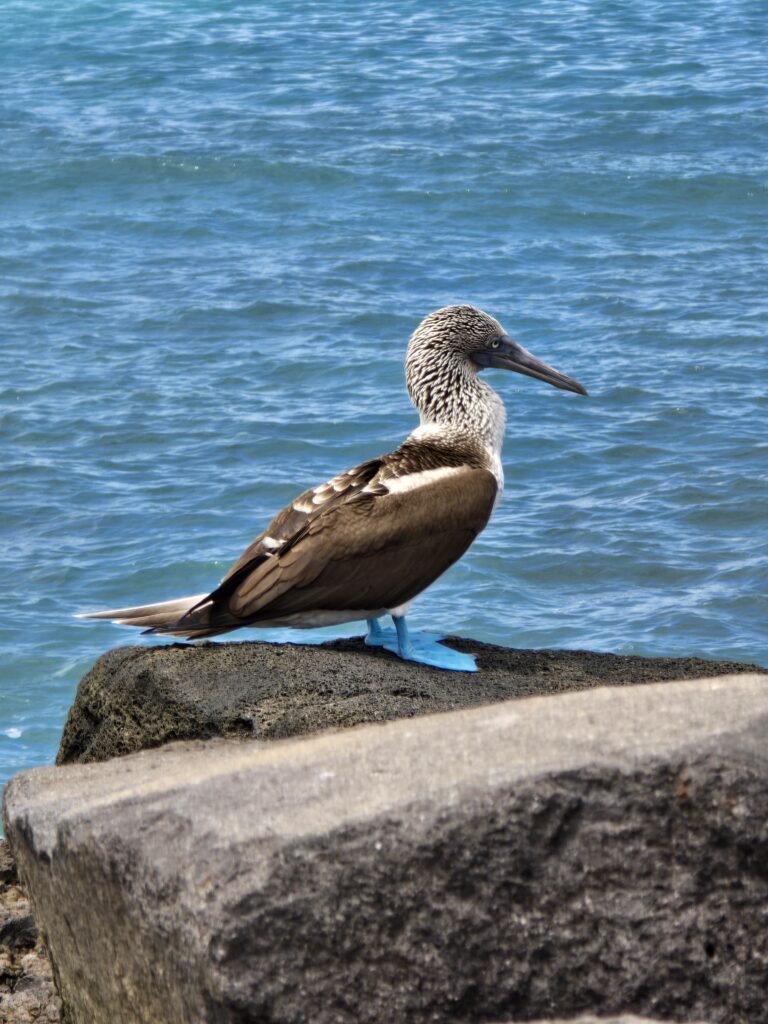
Stay behind marked lines or with your guide even when a tortoise appears motionless. Never use flash or sounds to make an animal face the camera. Nests and chicks are especially vulnerable; do not stand between an adult bird and its landing route.
An unexpected encounter
If an animal blocks the trail, wait at a distance or ask your guide what to do. Do not leave the route to walk around it unless instructed. When a sea lion occupies a pier, the boat crew will explain the safest boarding procedure.
Stay on trails and visit only approved sites
Many sensitive visitor sites are accessible only with a certified naturalist guide or organized tour. Other beaches, walks, and viewpoints can be visited independently. Check each location separately because access may be temporarily restricted for conservation, nesting animals, safety, or weather.
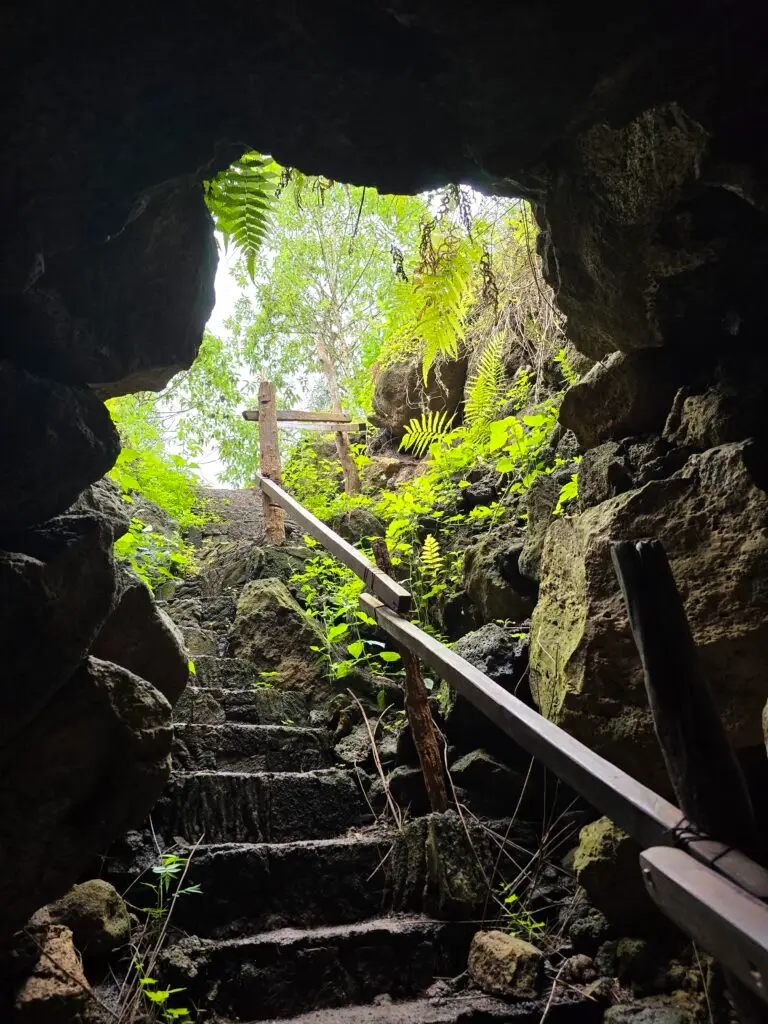
Never leave a marked trail for a photograph. Volcanic ground can be sharp and unstable, while nests and delicate plants may be difficult to see. Respect visiting hours and closures. Staying in Puerto Ayora or Puerto Villamil does not mean every walk requires a tour: distinguish between public town areas, independently accessible visitor sites, and protected routes where a guide is mandatory.
Take nothing and leave nothing behind
Shells, rocks, sand, feathers, bones, plants, and all other natural materials must remain on the islands. Carry your trash out, use refillable water bottles, and limit single-use plastic. Never throw anything overboard or leave organic waste: even an apple core or piece of bread can attract wildlife and disrupt an ecosystem.
Waste, water, and sun protection
Take waste back to your lodging or boat and use a refillable bottle. Protective clothing reduces the amount of sunscreen entering the water. Ask which reef-conscious products are accepted locally. “Biodegradable” does not mean a product can be applied without restraint immediately before swimming.
Photography and drones
Photograph animals from a distance and use zoom rather than walking closer. Flash, selfie sticks, and tripods may be restricted at particular sites. Commercial shoots and drones generally require specific authorization, and recreational drone use is not freely permitted in protected areas. Check current permit requirements before packing equipment.
No photograph is more important than an animal’s normal behavior. Stop if an animal becomes alert, moves away, or changes its route. Avoid posting images that normalize touching, feeding, or leaving trails, and do not reveal the exact location of a vulnerable nest.
Snorkeling, diving, and boating
- Follow the crew and guide briefing.
- Do not touch animals or the seabed.
- Use protective clothing and locally accepted reef-conscious sunscreen.
- Remove nothing from the water.
- Enter the water only at approved places and within your ability.
- Tell the operator about relevant medical conditions in advance.
Currents and swells can change quickly. Prepare with our guide to snorkeling, diving, and wildlife in Galápagos.
Health and safety
The sun is intense and medical services are more limited than on the mainland. Carry enough water, wear a hat and protective clothing, and increase activity gradually. Bring an adequate supply and documentation for essential medication. Travel insurance with suitable coverage—including evacuation and your planned activities—is sensible.
Sea crossings can be rough. Follow boarding instructions, keep electronics dry, and discuss seasickness with a doctor or pharmacist before traveling. Our Galápagos transportation guide explains the practical options. When choosing lodging, start with the right island and town, then compare total prices and terms. View accommodations in the Galápagos on Expedia.
How we experienced the rules
During our July 2024 visit, sea lions slept behind a barrier on the Puerto Ayora pier while visitors walked around them. That small example captures the approach: people adjust to the animals, never the other way around.
Mandatory guides at protected sites were also straightforward. A guide explains the landscape, keeps the group on the route, and helps everyone leave enough room for wildlife. It may limit complete freedom, but it is part of visiting these vulnerable islands responsibly.
Choosing a responsible tour
Ask whether the operator works with certified naturalist guides, how large the group is, and which rules are explained during the briefing. An operator that attracts animals, dismisses distance rules, or proposes a prohibited route is never a bargain.
Confirm whether the seller operates the excursion or acts as an intermediary. Record the operating company’s name and ask for the route, guide arrangements, and cancellation terms in writing. A familiar booking platform does not replace that check. Never book an experience that advertises touching, feeding, or guaranteed close contact with wild animals.
Explaining the rules to children
Agree on three rules before the visit: touch nothing, remain behind the guide, and never share food with animals. A pair of binoculars or a simple camera can make keeping a respectful distance part of the adventure.
Final checks before departure
- Official entry and baggage information
- Airline and biosecurity procedures
- Your operator’s permit and briefing
- Current closures and weather conditions
- Insurance coverage and emergency numbers
You can search for a convenient Galápagos base on the island where your activities begin. Ask the property directly about water refills and local practices; a booking platform alone is not proof of sustainable management.
Frequently asked questions
Can you touch an animal if it approaches you?
No. Calmly make room and allow the animal to choose its own route.
Can you hike independently everywhere?
No. Many visitor sites require a certified naturalist guide. Check the rules for each location.
Can you take shells home?
No. Leave all natural materials where they remain part of the ecosystem.
Where can you check current rules?
Use the official arrival and entry information and follow Galápagos National Park and your naturalist guide on the islands.
Continue planning
Use our Galápagos travel guide as your overview and coordinate your itinerary, transportation, and budget. Combine the islands with our Ecuador travel guide.
Sources and updates: Before traveling, consult the official arrival and park information and the current ABG product list.
Updated September 12, 2026. Personal experiences refer to July 2024 where stated. Check current prices, opening hours, conditions, and travel advisories before departure.
Discover more from DutchieWorldTravel
Subscribe to get the latest posts sent to your email.


You May Also Like

Guayaquil to Cuenca by Car: Driving Route via Cajas

Guayaquil in 1, 2, or 3 Days: Complete Itinerary
