

Galápagos Transportation: Flights, Boats, and Island Transfers
Traveling to the Galápagos requires more preparation than an ordinary domestic flight. You leave from mainland Ecuador, complete additional procedures before check-in, pass biosecurity controls, pay entry fees, and use several types of transportation between airports, ports, towns, and islands.
Some links in this article are affiliate links. If you book or buy through one, we may receive a commission at no extra cost to you. This helps support our website.
In this guide: flights from the mainland, Baltra and San Cristóbal airports, speedboats and inter-island flights, luggage, local transportation, costs, accessibility, and the best order for booking.
Understanding the Galápagos transportation network
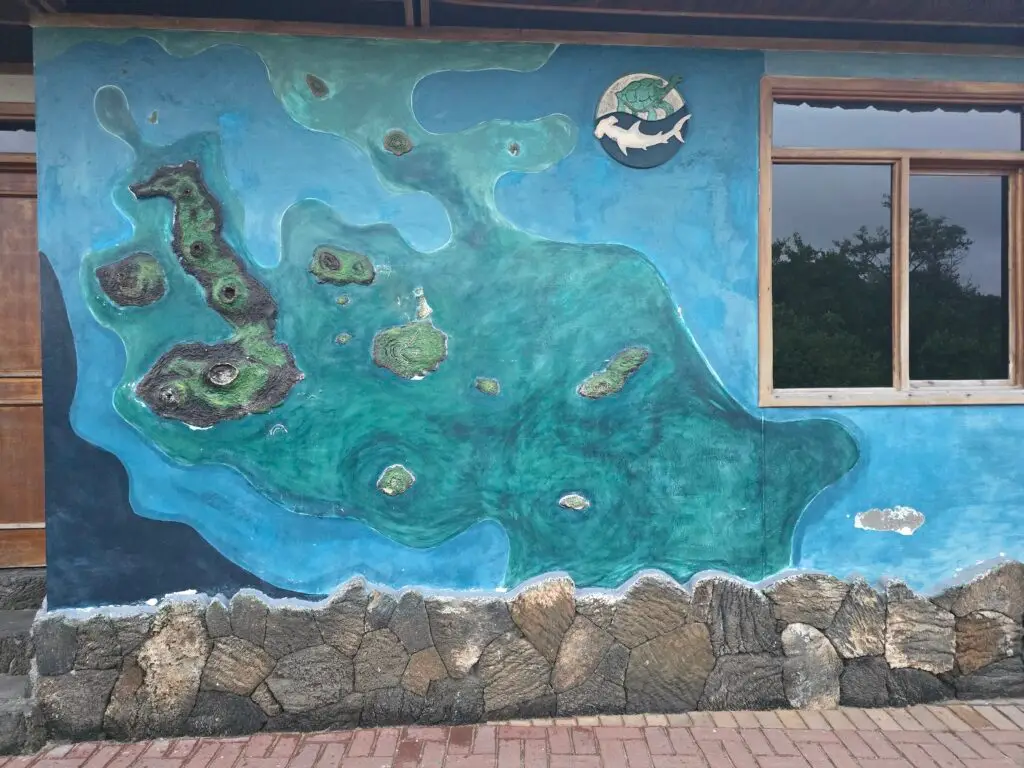
Santa Cruz, Isabela, and San Cristóbal form the main combination for many island-hopping trips. Puerto Ayora is on Santa Cruz, Puerto Villamil on Isabela, and Puerto Baquerizo Moreno on San Cristóbal. Baltra is the airport used for Santa Cruz, but it is not located in Puerto Ayora.
| Route | Transportation | How to plan it |
|---|---|---|
| Mainland → Baltra | Flight, then airport bus, canal boat, and bus or taxi | Keep most of the arrival day free |
| Mainland → San Cristóbal | Flight, then local transportation | Check the address in Puerto Baquerizo Moreno |
| Santa Cruz ↔ Isabela | Passenger speedboat or, on some dates, a small flight | Allow a full part of the day |
| Santa Cruz ↔ San Cristóbal | Passenger speedboat or flight | Check schedules before booking hotels |
| Isabela → San Cristóbal | By boat, usually routed through Santa Cruz | Preferably stay overnight on Santa Cruz |
Schedules and sea conditions determine the actual departure time. When booking, ask for the operator or boat name, exact port, required check-in time, and contact procedure for changes. A general route map is not a timetable.
Flying from mainland Ecuador
Flights operate from Quito and Guayaquil to Baltra and San Cristóbal. Check whether your Quito flight is nonstop or stops in Guayaquil. Before departure you complete additional Galápagos procedures, including the Transit Control Card and biosecurity inspection. Our Guayaquil Airport to Galápagos guide explains the sequence.
Choose your arrival island based on the entire route. Flying into Baltra and home from San Cristóbal can eliminate a boat day, but compare fare conditions and make sure the ticket uses the correct rate for an international visitor.
Transit Control Card
Before check-in, obtain the Transit Control Card, commonly called the TCT, at the designated counter. Official information currently lists a fee of US$20. Keep the card throughout the trip and verify shortly before departure whether the registration or payment procedure has changed.
Biosecurity and luggage inspection
Luggage is screened to prevent plants, animals, seeds, soil, and pathogens from being introduced. Restrictions apply to various fresh and unprocessed products. Clean outdoor equipment, check the official product list before packing, and declare anything uncertain.
Galápagos National Park entry fee
The official fee schedule currently lists US$200 for a foreign adult tourist from the Netherlands. The US$20 TCT is separate. Different categories apply to children, residents, and some nationalities, so use the rate that matches your situation.
From Baltra Airport to Puerto Ayora
- Take the airport bus from Baltra Airport to the Itabaca Channel.
- Cross the channel by boat to Santa Cruz.
- Continue by public bus or taxi to Puerto Ayora.
- Walk or take a short final ride to your accommodation if necessary.
After arrival formalities, allow roughly two hours of planning time for the full chain, including waiting. Keep money and a water bottle accessible. If you reserve a transfer, ask whether the airport bus, channel crossing, and final drive are all included.
The official arrival information explains the route. Do not rely on older local prices without confirmation; ask the operator for the current fare.
Arriving on San Cristóbal
San Cristóbal Airport is much closer to Puerto Baquerizo Moreno than Baltra is to Puerto Ayora. The transfer is therefore simpler. San Cristóbal can be a convenient start or finish when an open-jaw flight itinerary is available.
Passenger speedboats between the islands
These boats are often called ferries, but they are usually compact speedboats. Crossings take several hours and can be bumpy. Departures are generally early in the morning or in the afternoon according to fixed schedules, and a water taxi may shuttle passengers between the pier and the main boat.
Before fixing boat days, read what arrival means on Santa Cruz and Isabela. This prevents an early excursion from conflicting with your arrival port or hotel.
| Connection | Typical use | Check |
|---|---|---|
| Santa Cruz–Isabela | Common island-hopping route | Arrive early and waterproof your luggage |
| Santa Cruz–San Cristóbal | Common connection | Confirm departure time and port |
| Isabela–San Cristóbal | Not always direct | A Santa Cruz stop or flight may be required |
A transfer begins before sailing: you travel to the port, check in, possibly take a water taxi, and continue to your lodging after arrival. Allow a full half-day instead of counting only the published sailing time. Ask separately what the main ticket, water taxi, and port fees cost.
Check every boat ticket
- Date, departure time, and destination island
- Operator or boat name
- Exact port and required check-in time
- Checked and carry-on baggage limits
- Included water taxis and port fees
- Change and cancellation conditions
The morning of departure
Eat lightly, check the weather, and protect valuables from water. Report before the stated time because registration and the water taxi can add extra steps. Wear shoes that make boarding safe. If you are prone to seasickness, ask a doctor or pharmacist about suitable medication; some options cause drowsiness.
Inter-island flights
Small aircraft can save time between inhabited islands. Their baggage limits are often much stricter than those on mainland flights, so check weight, dimensions, and surcharges before booking. Flights cost more but may make sense when time is short or no direct boat fits the route.
Cruise transportation
A cruise package may include local transfers, but not necessarily transportation from your international arrival. Confirm exactly where the program begins, which island flight is expected, and who is responsible if a connection is missed.
Luggage on boat days
- Use a waterproof cover or sturdy liner inside your suitcase.
- Keep your passport, phone, and medication in a small dry bag.
- Label checked bags with your name and accommodation.
- Do not carry fragile items loose.
- Check weight limits for both flights and boats.
Transportation on Santa Cruz, Isabela, and San Cristóbal
You can walk much of Puerto Ayora. For the highlands, Itabaca Channel, and remote sites, use a taxi or tour. Taxis may offer a fixed island circuit; confirm the stops, entry fees, and waiting time first. On Isabela, Puerto Villamil is compact, but ports, excursions, and some routes require a taxi, bicycle, or organized tour. Test any rental bike and carry enough water.
On San Cristóbal, the airport sits close to Puerto Baquerizo Moreno and much of town is walkable. Use a taxi or tour for the highlands and farther beaches, and agree on the return time and pickup point.
Compare transportation costs without surprises
| Item | Pricing detail to verify |
|---|---|
| Island flight | Per person, including baggage and the correct visitor fare |
| Passenger speedboat | Per person, one way; a round trip is usually two tickets |
| Water taxi | May be charged separately at each port |
| Island taxi | Per vehicle or agreed ride, not automatically per person |
| Combined airport transfer | Which separate legs are actually included? |
Include all of these items in your Galápagos budget. A stand-alone ticket and a transfer package are comparable only when they contain the same legs.
A booking order that prevents problems
- Choose the arrival and departure islands.
- Check connections between your bases.
- Reserve accommodation with flexible cancellation.
- Book essential boat or flight connections.
- Schedule tours around confirmed travel days.
- Keep the first afternoon after each speedboat ride open.
Once the ports and dates are fixed, you can compare Galápagos accommodations. Double-check the island, town, check-in date, total price, and connection before paying.
Delays and accessibility
If a delay becomes clear, message the next accommodation and save confirmations and receipts for insurance. Move a flexible activity rather than chasing an unreliable alternative connection. Travelers who need assistance should ask about steps, boarding height, wet transfers, and luggage help before paying—water taxis and speedboats are not always step-free.
Frequently asked questions
Can you book a speedboat at the last minute?
Sometimes, but it is risky during busy periods. Reserve essential routes in advance and reconfirm them shortly before departure.
Are Galápagos speedboats comfortable?
They are generally fast, relatively small boats. Comfort depends on the sea, vessel, and seat. Prepare for movement and spray.
Can you combine a speedboat and international flight on one day?
That creates a significant delay risk. A buffer and a final mainland night are usually safer. Compare the connections with our 7-, 10-, and 14-day itineraries.
Continue planning
Use the Galápagos travel guide as your overview and coordinate your itinerary, transportation, and budget. Combine the islands with our Ecuador travel guide.
Current sources: Use the official Galápagos arrival information for entry procedures and fees. Confirm sailing schedules and baggage rules with the company operating your connection.
Updated September 12, 2026. Personal experiences refer to July 2024 where stated. Check current prices, schedules, conditions, and travel advisories before departure.
Discover more from DutchieWorldTravel
Subscribe to get the latest posts sent to your email.





3 Comments
Pingback:
Pingback:
Pingback: